How to grow a flowering maple? A step-by-step guide to the growing methods
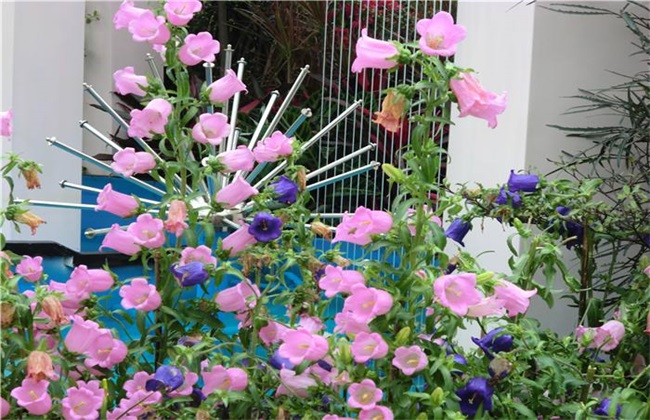
The flowering maple, also called the Chinese lantern, is an evergreen shrub in the mallow family (Malvaceae) that is fairly widely cultivated in southwest China. The flowering maple has very high ornamental value and is very popular as a potted plant in China. What's more, its leaves and flowers also have medicinal effects, invigorating blood and dispelling stasis and relaxing the sinews and unblocking the collaterals, which has made it popular with many people. So how should the flowering maple be grown? Below, the editor brings you the growing methods for the flowering maple. Let's take a look!
1. Propagation methods
The propagation of the flowering maple is generally based mainly on cuttings. Take cuttings around July each year; first select semi-lignified young shoots that grew within the past two years, and cut them to about 10 cm long. Then remove the leaves from the lower part of the cutting, dip it appropriately in rooting hormone, and insert it directly into the soil to half or 1/3 of its depth, then water appropriately to keep it moist. Be sure to choose fertile sandy loam with normal drainage and irrigation for the cuttings. After cuttings are taken, the cuttings will root in about one month.
2. Water and fertilizer management
When growing the flowering maple, watering is indispensable. The flowering maple naturally likes to grow in a relatively moist environment, so during its growing season we should pay attention to maintaining a moist environment. When watering, follow the principle of watering when dry and stopping when wet. If the air is relatively dry, then water appropriately around the plant to raise the air humidity. However, water should not be excessive either; control the amount of watering well to avoid waterlogging in the soil causing root rot in the flowering maple, which would affect its normal growth. Then fertilize appropriately: because the flowering maple has a relatively poor ability to absorb nutrients, pay attention to timely topdressing during the vigorous growth period in spring to provide it with sufficient nutrients.
3. Daily management
Light is very critical to the growth of the flowering maple and directly affects its normal growth. The flowering maple has a relatively large demand for light, so during its growth we should pay attention to providing it with sufficient light. But note that the flowering maple must not be exposed to direct sunlight, so we should maintain good air permeability and avoid direct sunlight on the leaves in summer. Then control the temperature well: the flowering maple has relatively poor tolerance to high temperatures, and its optimum growing temperature is around 10-18°C. Too high a temperature will affect its normal growth, so everyone should pay close attention.
4. Points to note
As just mentioned, the flowering maple must not be exposed to direct sunlight. Therefore, during strong light in summer, pay attention to providing shade and maintaining good ventilation. Then pay attention to pest and disease prevention and control: the flowering maple is very prone to pests and diseases in dry air and poorly ventilated environments. The common pests and diseases include verticillium wilt, red spider mites and so on. Pests and diseases can have a great impact on the growth of the flowering maple, causing its ornamental value to decline. So everyone must frequently check the growth of the flowering maple, and after any abnormality occurs, find out the cause before taking corresponding measures.
The above is a brief introduction to the growing methods for the flowering maple. That's all for today's introduction. This article is for reference only, and I hope it can help everyone!