-

Detailed Explanation of Integrated Pest Management (IPM) Technology in Peach Orchards
The 6 core components of IPM technology in peach orchards: (1) Agricultural control measures for pests and diseases in peach orchards. During winter pruning, remove diseased and pest-infested branches and mummified fruit, and destroy them in a centralized manner; adjust the tree structure, improve ventilation and light penetration conditions, and strengthen tree vigor; (2) Frequency-vibration insect-killing lamp technology for trapping and killing pests. Install 1 insect-killing lamp per 3.3 hm2 of orchard, and use it from early April to mid-October, which can achieve a good insect-killing effect; (3) Sugar-vinegar basin technology for trapping and killing pests. Starting in mid-March, placing sugar-vinegar basins in the orchard has a clear effect on trapping and killing overwintering-generation adults of the peach leafminer moth; (4) Sex phero
-
Key Technical Measures for Summer Management of Golden Pear
In golden pear cultivation, the low rate of premium fruit is mainly due to an excess of deformed fruit and russeted fruit. Summer management is the key period for improving fruit quality, and the main technical measures are introduced as follows: 1. From mid-June to late August is the fruit expansion period, and golden pear requires a relatively large amount of water. Under drought conditions, the pear shrinks and wrinkles during the day and absorbs water at night to replenish, after which it can recover or grow; otherwise the fruit remains small or permanently wrinkled. In late July, if there is a long drought without rain, fruit cracking of varying degrees often occurs. Therefore, during this period, depending on
-
Detailed Explanation of Key Technical Points for Greenhouse Peach Cultivation and Management
I. Early training, early shaping, early fruiting. Because greenhouse peach trees are planted at high density, in order to obtain relatively high early income, shaping and flower bud development must be completed within one year: vigorously promote growth in the early stage for early shaping, then control growth in the later stage to produce more flowers. When shaping, whether using the slender spindle form or the "Y" form, yield must be given top priority. Not only should pinching be done multiple times under the premise of adequate fertilizer and water supply to promote more secondary and tertiary branches, but permanent fruiting must also be considered, that is, the branches being trained should not be tipped so they maintain a certain
-
What are the key technical points for spring garlic management?
Around Jingzhe (Awakening of Insects), as temperatures rise, Cangshan garlic enters the regreening growth stage; around the Spring Equinox, it reaches the rotting-mother stage (also called the mother-returning stage). Due to the continuous low-temperature and drought weather from last winter to this spring, garlic growth has been affected, the seedling condition is poor, and there are more garlic fields with weak seedlings, so management must be strengthened. I. Regreening stage management. Before and after regreening, spray once with a plant growth regulator or amino acid foliar fertilizer to enhance stress resistance and prevent damage to garlic from late spring cold. After the Spring Equinox, garlic is in the rotting-mother stage, during which garlic maggots are prone to occur, so pay attention to spraying pesticide to control seed
-
Detailed Explanation of Key Technical Points for Early Spring Management of Garlic
Spring field management of garlic mainly refers to the management from after the spring temperature rises until the harvest period. This period is exactly when the garlic bulb expands, and it is also a period when diseases and pests occur frequently. Therefore, doing a good job of management during this period is of great significance for a bumper harvest of garlic. 1. Fertilizer and water management: The application of fertilizer should grasp the principle of supplementing vigorous growth and promoting weak growth. At the same time, irrigate well with the "two waters," namely the green-returning water and the bulb-expanding water. Generally, after garlic returns to green, plots with vigorous growth should be given little or no fertilizer; for plots with yellowing seedlings and weak growth, combined with watering, in
-
Detailed Explanation of Key Points for Spring Management Techniques of Onions
I. Watering: Onions are generally not watered during the overwintering period, and there are no pests or diseases. In March to April, water lightly once with green-returning water; when entering the vigorous leaf growth period, appropriately increase irrigation; about 10 days before bulb expansion, carry out seedling control to suppress leaf growth; when there are 6 functional leaves, water thoroughly once, then control seedlings for 10 days to prevent excessive plant growth from affecting bulb expansion. After seedling control, the bulb begins to expand, which is the key period for topdressing and watering. However, because the temperature rises during this period, evaporation and plant growth are large, and it is the period with the highest water demand, watering should be frequent, often keeping
-
What key steps should be taken for autumn fish fry management
Pond clearing. Transfer the fish fry to a pond that has been cleared and disinfected for rearing. If water sources and pond rotation are difficult, all the fish fry can be transferred out for temporary holding, then the original pond disinfected with 75 kg to 100 kg of quicklime per mu, and the water fertilized by conventional methods; after the chemical effect has dissipated, transfer the fish fry back. Separate rearing. Adjust and separate the fish fry by different sizes so that the fry stocked in the same pond are of uniform size. Larger fry have a big appetite and a strong ability to compete for food; if small-sized fry are stocked in the same pond, the small fish will decline in condition because they cannot get enough feed.
-
Analysis of Key Points in Winter Management Techniques for Live pigs
The arrival of winter brings some problems to pig farm management. Diarrhea has become an unavoidable and most headache-inducing problem on pig farms, and insulation work will become one of the most important tasks in pig farm management. But before many pig farms have fully solved the diarrhea problem in pigs, respiratory problems in pigs quietly arrive. Like diarrhea in pigs, in recent years pig respiratory diseases have become a very headache-inducing problem on pig farms, bringing major economic losses to the pig industry. Properly handling the issues of warmth and ventilation in pig farms is directly related to controlling diarrhea and respiratory syndrome, and is
-
Micro-management methods for intensive pig farming
Micro-level precision means haggling over every penny when bargaining, being meticulous in work, never letting go of any detail, and not allowing any negligence anywhere. Every task has details that are easily overlooked. Pay attention to them, guard against them, and our business will surely succeed. Below are the specific details in the pig farming process: (1) Feed. Feed costs account for more than 70% of pig farming costs, and there are many overlooked aspects of feed. Setting aside bargaining in business operations, here they are listed from a technical perspective.
-
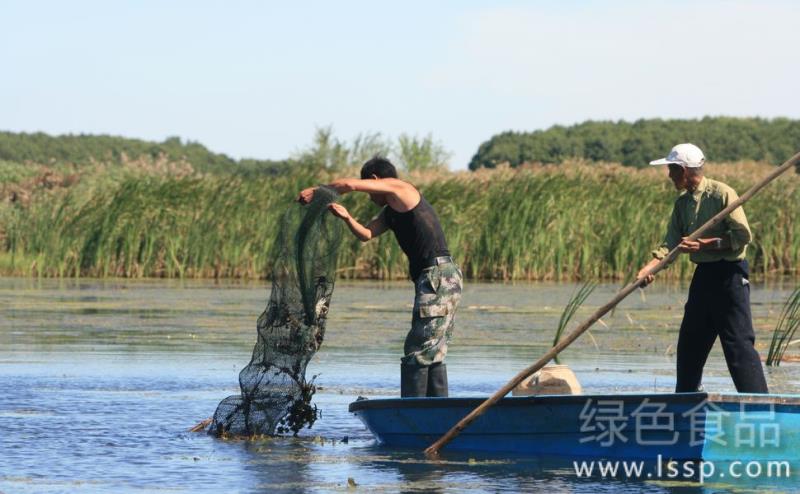
How to fatten river crabs? Three management measures for optimal fatness
How to achieve optimal fatness in river crabs: three management measures for fattening river crabs
条件筛选