How to fatten river crabs? Three management measures for optimal fatness
After river crabs complete their final molting, they can be harvested and marketed after another 15 to 30 days of cultivation. This period is called the fattening period for river crabs. The quality of production management during the fattening period directly affects the quality and market size of river crabs, and affects the economic benefits of river crab farming. How can the fatness of market-bound river crabs be brought to optimal levels?
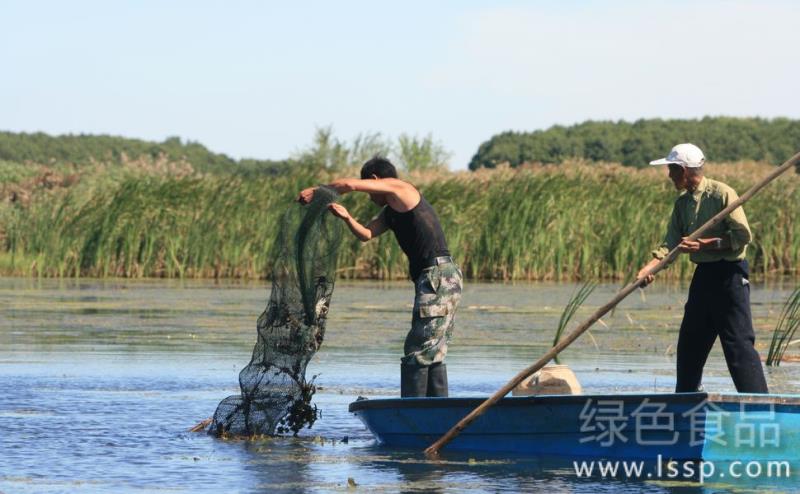
River crab farming
I. Reasonable water exchange to maintain excellent water quality
To raise river crabs well, the water quality of the pond must first be guaranteed to be good. When ponds are treated with medication for disease prevention and treatment in spring and summer, residues are inevitable. In autumn, new water should be exchanged frequently to prevent pond water from deteriorating and to maintain appropriate transparency. Generally, the transparency of a crab pond should be above 35cm. It is best to carry out one water exchange before the final molting of river crabs, which can improve water quality and also enable river crabs to molt neatly and smoothly. After that, exchange water approximately once every 10 days, with each exchange being less than 30% of the total volume.
II. Reasonable feeding to ensure adequate nutrition
During the fattening period of river crabs, both the nutritional content and quantity of feed must be sufficient. It is best to feed special river crab feed with a protein content of 32% or above, or fresh animal bait. The daily feeding amount should account for about 10% of the total crab weight. In actual production, the standard is that the feed is basically consumed within 2 to 3 hours after feeding. Later, as air temperature and water temperature gradually decline, the daily feeding amount should also be gradually reduced. Feeding should be mainly in the evening, supplemented in the early morning, with the evening feeding amount accounting for 80 to 90% of the daily feeding amount.
III. Reasonable medication to ensure healthy constitution
During the fattening period of river crabs, pest and disease prevention must be carried out persistently and thoroughly. Especially for ciliate disease, "external disinfection" and "internal medication" should be combined. 10 days after the final molting of river crabs, splash chlorine dioxide etc. over the entire pond once, and at the same time add crab medication for disease prevention and treatment to the feed and mix with bait for feeding, continuing for 5 to 7 days. If the river crabs in the pond have been normal from spring through summer, microbial preparations can be splashed over the entire pond to prevent disease and enhance the constitution of river crabs.