-

Efficient Spring Cultivation Techniques and Management Key Points for Oyster Mushrooms
Key Points for Spring Oyster Mushroom Management
-
What Is a Cotton Square? Management Techniques During the Squaring Stage, Causes of Square and Boll Shedding, and Common Diseases
Key Field Management Points for the Cotton Squaring Stage
-
Key Technical Points for Water Quality Management in Crayfish Aquaculture Ponds
Freshwater crayfish have strong adaptability to the environment and tolerance to low oxygen, and can even directly utilize oxygen from the air, but prolonged exposure to low-oxygen, overly fertile or...
-
Key techniques for cultivation and management of Shatang mandarin during the fruit ripening period
After October, Shatang mandarin begins to enter the fruit coloring and ripening stage. The appearance and sweetness of the fruit mainly depend on this period, so during this period the main focus is on streng...
-
What are the key points for citrus cultivation management in June?
Since the start of June this year, continuous rainy weather has made orchard management even more difficult. Here is an overall summary as a reference for everyone, and be sure to do a good job of...
-

Complete Guide to Longan Cultivation Techniques: A Comprehensive Explanation of Cultivation and Management
Fruit retention, fruit enlargement and crack prevention work begins at flowering. Fruit retention, fruit enlargement and crack prevention in longan are important steps for achieving high and stable yields. The main measures include the following...
-
A Complete Analysis of Medication Program Management for White-Feathered Broiler Chicken Farming
If you are also a fellow chicken farmer and want to consult about chicken disease issues, you can click the article link below to get my contact information: Winter is here, how should chickens be raised, keep...
-

How to Grow Fruit Corn? A Guide to Cultivation Techniques and Management Key Points
Fruit Corn Cultivation Technique Guide: Fruit corn is a type of sweet corn suitable for eating raw. Compared with ordinary sweet corn, its main characteristics are thin skin, abundant juice, ...
-
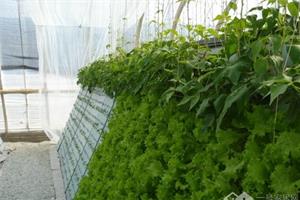
Bean Sprouts Cultivation Methods and Key Points for Daily Management
How Bean Sprouts Are Cultivated and Daily Management Methods for Bean Sprouts
-
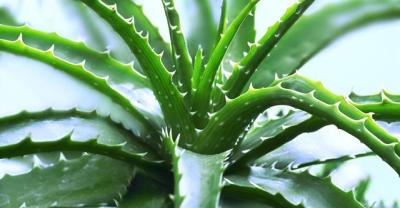
What are the management methods after planting agarwood trees?
(1) Early-stage management In the early stage after agarwood trees are planted, attention should be paid to preventing drought, and they should be watered promptly according to weather conditions. During the young seedling stage, weeds should be removed and the soil loosened once each year in February-March, June-August, and October-November. During the young tree stage, fertilizer should be applied 2-3 times each year in combination with weeding. In the dry season, apply a light dressing of human and livestock manure water or ammonium sulfate or urea diluted with water. In the rainy season, open ditches around the planting holes and apply organic fertilizer mixed with superphosphate; if the trees are mature, open ditches and increase the application of organic fertilizer and green manure. When agarwood seedlings are young, the trees are small and also require a certain amount of shade, so it is best to plant a few rows of leguminous crops such as red beans or mung beans between the rows, and properly control their height and density so they do not overly shade the agarwood. To help the trunk grow straight and to facilitate artificial agarwood formation, prune once each year in autumn and winter the lateral branches on the lower part of the stem, as well as diseased, weak, and overly dense branches. In the first year, pruning should be light; simply cut off the lateral branches on the crown, diseased and insect-damaged branches, weak branches, and overly dense branches. Do not excessively cut away all lateral branches, as this will affect growth. Later, as time passes and the young trees gradually grow taller, gradually prune upward. Some lateral branches are best cut in two stages: cut half the first time to maintain a certain leaf area, and the second time cut them flush against the trunk.
条件筛选