What are the key points for citrus cultivation management in June?
Since the start of June this year, continuous rainy weather has made orchard management even more difficult. Here is an overall summary as a reference for everyone, and be sure to do a good job of prevention and control work.
I. Main pest and disease control:
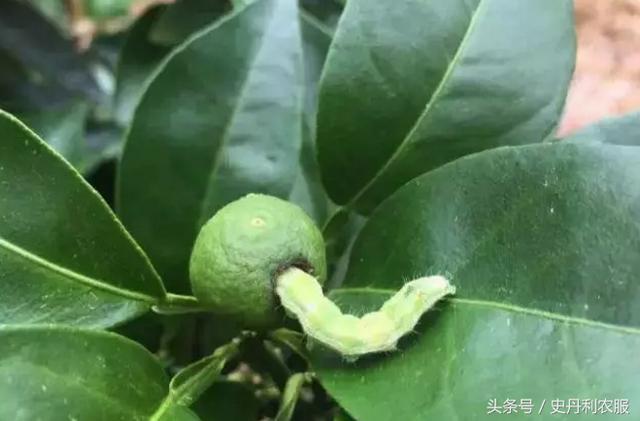
The tobacco budworm, commonly known as the green worm and also called the tobacco noctuid moth, belongs to the order Lepidoptera, family Noctuidae. Adults mainly occur from late May to early September, and mainly damage young citrus fruit and tender leaves.
Available control agents: chlorpyrifos, emamectin benzoate, abamectin, fenpropathrin, etc.
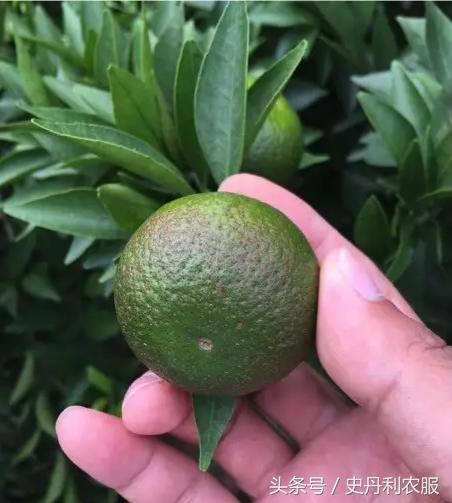
Damage sites and symptoms: adult mites or young mites gather in groups on the underside of leaves and on the fruit surface to suck sap. The damaged parts form rust-colored spots. In severe cases, it causes leaf drop and affects yield. After fruit is damaged, the epidermal cells are destroyed, the peel becomes rough, and the peel turns black, forming "purple citrus." In severe cases, it causes fruit drop. Relationship with the environment: high temperature and drought favor its occurrence. Citrus rust mite, also known as citrus rust mite, rust spider, citrus rust eriophyid mite, black-skinned fruit, commonly called copper disease.
Commonly used control agents: carbosulfan, lufenuron, etc.
The citrus leafminer mainly occurs in large numbers on summer shoots and autumn shoots. It mainly infests the underside of young citrus leaves and at the same time causes wounds on the young leaves. When rainy weather occurs, it is prone to infection by other pathogens.
Commonly used control agents: chlorantraniliprole, chlorpyrifos, abamectin, deltamethrin, profenofos, etc.;
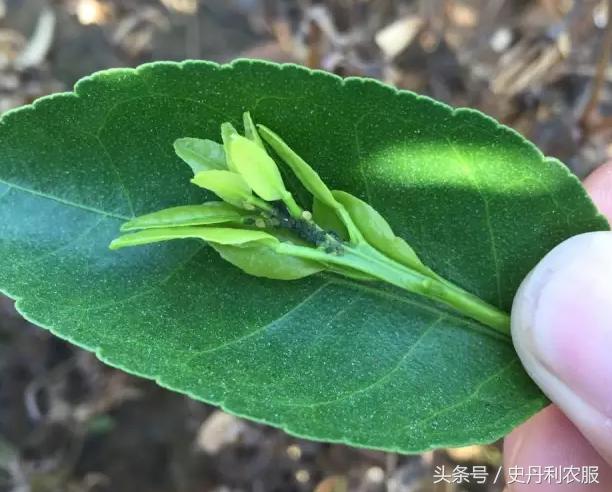
Non-bearing trees and some orchards that retain summer shoots need to pay attention to the control of small insects such as aphids, thrips, and citrus psyllids during the new shoot stage;
The commonly used agents are generally systemic insecticides, such as thiamethoxam, acetamiprid, imidacloprid, etc. For those with higher resistance to thrips, newer agents such as spinetoram can be used for control.
Red spider mite outbreaks severely on citrus, especially in areas with relatively high temperatures, where it has many reproductive generations and high resistance. The main outbreak stages are April to June and August to October. When using chemical control, pay attention to killing both mites and eggs.
Commonly used agents: those that kill adults include abamectin, profenofos, bifenazate, fenpropathrin, azocyclotin, fenbutatin oxide, etc.; those that kill eggs include etoxazole, spirodiclofen, clofentezine, etc. Recently a new product, etoxazole nitrile, has come out. It is said to kill both adults and eggs. The ingredient is relatively new, so the effect should be good, but it is unknown how long the residual effect lasts.
For the control of fruit flies and needle bees, there are currently three main control methods:
1. Use insect-killing lamps: hang them on shaded trees at the outer edge of the orchard or on supporting frames, 2 m above the ground, 1 per mu;
2. Use yellow sticky boards: hang them on fruit trees to trap and kill fruit flies, placing one about every 10 m;
3. Use sugar bait: punch 4 egg-sized holes in the upper part of a mineral water bottle, and place a mixed liquid of sugar water and trichlorfon in the lower layer, 7-9 per mu;
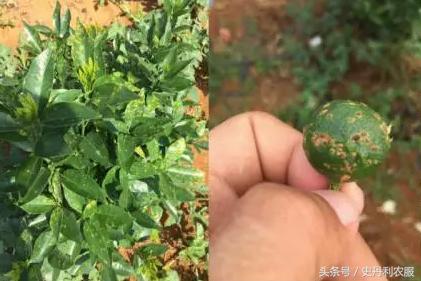
Orah and Murcott are prone to infection by citrus canker. In the high-temperature season over many months, canker infects through wounds on young leaves and breaks out; the best time to control canker is when new shoots are about to mature and stomata are newly formed, when the effect is best;
The main control agents are: kasugamycin, zhongshengmycin, benziothiazolinone, zinc thiazole, copper ammonium complex, copper abietate, copper acetate, copper hydroxide, cuprous oxide, copper oxychloride, basic copper sulfate, copper ammonia mixture, etc.
June is hot with a lot of rain, making infection by fungal diseases most likely. At the same time, rain creates certain difficulties for spraying to prevent them, so fruit growers should seize the intervals when the rain stops to arrange spraying work well.
Commonly used preventive fungicides: pyraclostrobin, mancozeb, zineb, metiram, propineb, thiophanate-methyl, etc.
Commonly used curative fungicides: tebuconazole, azoxystrobin, difenoconazole, propiconazole, flusilazole, epoxiconazole, trifloxystrobin, thifluzamide, etc.
II. Management precautions:
Orchards in low-lying areas and those converted from paddy fields need strengthened drainage;
After orchard flooding, it is easy to cause root rot, yellowing, and other damage;
Crop stress resistance can be strengthened through drainage, foliar fertilizer, etc.;
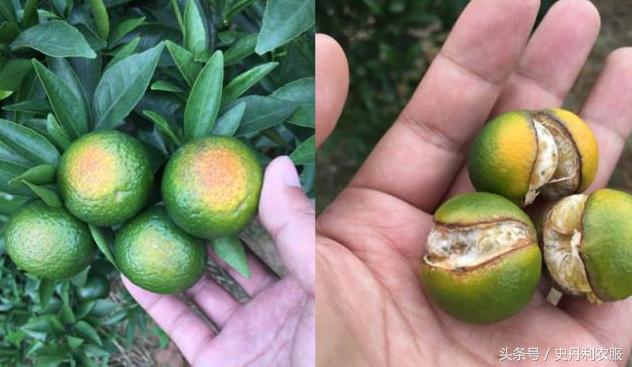
Pay attention to supplementing calcium and boron fertilizer to reduce the number of cracked fruit and sunburned fruit.
Continue using high-phosphorus and high-potassium fertilizer to supplement fruit nutrition and reduce continuous fruit drop.
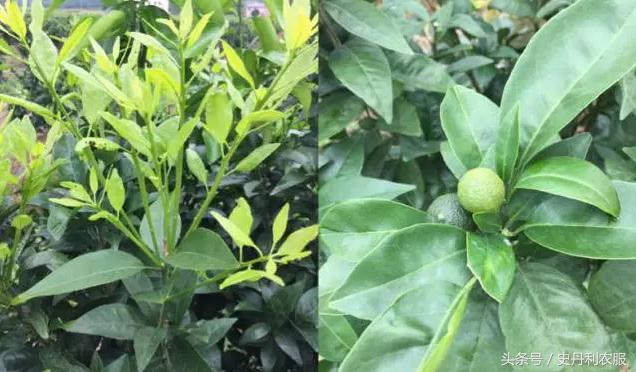
Control summer shoots and reduce fruit drop.