Key Technical Points for Water Quality Management in Crayfish Aquaculture Ponds
Freshwater crayfish have strong adaptability to the environment and tolerance to low oxygen, and can even directly utilize oxygen from the air, but prolonged exposure to low-oxygen, overly fertile or deteriorating water environments can affect the molting rate of freshwater crayfish, thereby affecting growth. Therefore, water quality is an important factor limiting the growth of freshwater crayfish and affecting shrimp farming yields. Poor water quality can also encourage the mass reproduction of parasites, bacteria and other harmful organisms, leading to the occurrence and spread of diseases, and when water quality is severely poor, it can even cause crayfish death. When freshwater crayfish are cultured at high density in ponds, the water transparency should be controlled at around 40 cm, adjusted in a timely manner according to seasonal changes, water temperature and water quality conditions, with timely water addition, water exchange and fertilization, to create a good water environment. Water quality management for freshwater crayfish aquaculture should follow these principles:
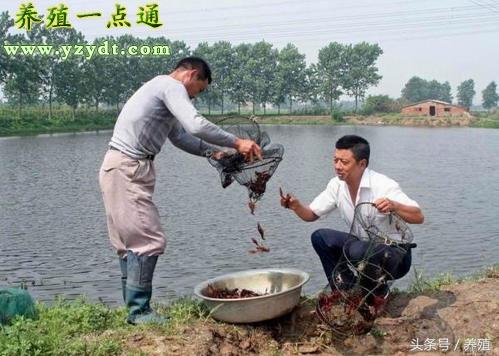
Water Quality in Crayfish Aquaculture Ponds
1. The principle of "shallow in spring, full in summer"
In spring, the water level is generally maintained between 0.6 and 1 m; shallow water is conducive to the growth of aquatic plants, the reproduction of snails and the molting and growth of juvenile shrimp. When water temperature is relatively high in summer, the water depth is controlled at 1 to 1.5 m, which helps crayfish get through the high-temperature season.
2. The principle of "fertile first, lean later"
Maintain the aquaculture water body "fertile, lively, tender and refreshing"; in the early stage, the shrimp seedlings are small, and fertilizing the water can cultivate plankton, which helps increase the survival rate of juvenile shrimp cultivation; in the middle and late stages, clear and lean water quality can promote rapid growth of crayfish and increase yield. Generally, the water transparency in the early stage is around 30 cm, and in the later stage it is maintained above 40 cm.
3. Improving aquaculture water quality
Splash quicklime water once every half month, using 10 kg of quicklime per mu of water surface at 1 m depth, keeping the pond water pH between 7.5 and 8.5, which can increase the calcium ion concentration in the water body and promote the molting and growth of freshwater crayfish. Regularly apply microbial preparations to improve the water quality and substrate of aquaculture ponds.
For more aquaculture techniques, startup guides, aquaculture supply and demand information, etc., please see Aquaculture Quick Guide, or follow the WeChat public account: Aquaculture Quick Guide; service account: Aquaculture City.