-

Detailed Explanation of Key Cultivation Techniques for Feizixiao Lychee
Cultivation points: (1) Choose mountainous land or dry slope land with deep, fertile soil and convenient drainage and irrigation to establish the orchard, and select healthy grafted seedlings for planting. (2) Prune promptly after fruit harvest to cultivate strong autumn shoots as fruiting mother branches, and pay attention to controlling winter shoots. (3) Adopt comprehensive technical measures such as promoting flowering, strengthening flowers, thinning flowers, and protecting fruit. (4) Strengthen integrated pest and disease control.
-
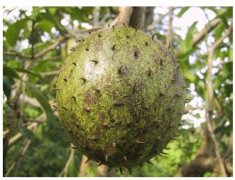
Is soursop the same as sugar apple? One article explains what soursop fruit actually is
What kind of fruit is soursop, and what does it look like? Want to know? Let's take a look together. Soursop is a relatively rare tropical fruit in Taiwan, China; botanically it is very closely related to the sugar apple, as both are fruit trees of the genus Annona. The fruit is long and conical in shape, with a surface
-
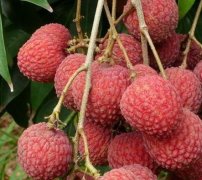
Yuhebao Lychee Management Methods and Post-Harvest Handling Points
Post-Harvest Management Practices for Yuhebao Lychee How should Yuhebao lychee be maintained after harvest? How can a good tree structure be established, and how should fertilizer be applied? Let's take a look together below. 1. Do a good job of pruning, cultivate strong fruiting branches, and establish
-

Detailed Explanation of Practical Technical Points for Flower Enhancement and Fruit Retention in Lychee
Lychee Flower Enhancement and Fruit Retention Techniques
-
-
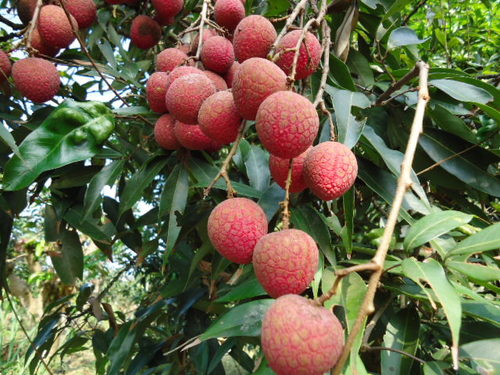
When do lychees ripen, and what is the latest price per jin?
Xiuming Lychees in Abundant Harvest - Pre-orders Welcome!!
-

Detailed Explanation of Key Field Management Techniques for Lychee
Field Management Techniques for Lychee
-
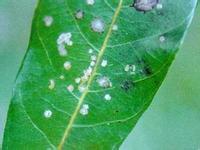
Methods for Controlling Pests and Diseases of Lychee and Longan in Autumn and Winter
I. Pest species during the autumn shoot stage and their control. Autumn shoots are next year's fruiting branches; if they are eaten bare by pests, it will seriously affect next year's flower bud formation. The main pests of autumn shoots are leaf-eating types, including various geometrid moths and various leaf-rolling insects. Among them, the eriophyid mite (felt disease) and the longan psyllid, etc., cause the most serious damage from September to November each year...
-
Detailed Guide to the Prevention and Control of Major Pests of Lychee and Longan
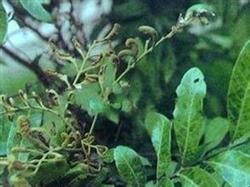
I. Pests More than 50 species of pests have been found on lychee and longan, among which the most common and serious ones are the lychee stink bug, the lychee fruit borer, the lychee tip moth, the longan Heliothrips moth, and the longan angular leaf psyllid, 5 species in total. The first 4 of these attack both lychee and longan, while the angular leaf psyllid attacks only longan. In our province, the lychee stink bug and the lychee fruit borer cause the most serious damage to lychee and longan.
-
Key Management Measures for Lychee and Longan from November to December
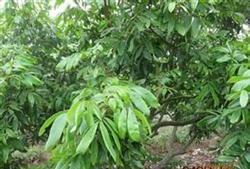
November-December is the critical period and sensitive stage for the growth and development of autumn shoots, and classified management of autumn shoots must be implemented. 1. For the early-maturing Sanyuehong, flower bud differentiation begins in mid-to-late October, and winter shoots that sprout thereafter cannot form flowers and should all be removed. 2. For early-maturing lychees such as Bai Tang Ying (5158, -8.00, -0.15%) and Feizixiao in western Guangdong, new shoots that emerge in early October need more foliar fertilizer sprays to accelerate maturity, and early winter shoots that grow after November have no hope of flowering the next year and must be controlled and killed.
条件筛选