-
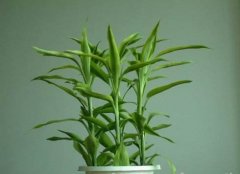
Lucky Bamboo Plant Profile: How to Prune When It Grows Too Tall and Too Large
Lucky bamboo, also known as the ribbon plant, has become a fixture in homes and offices due to its minimal care requirements and low-light needs. This evergreen grows slowly and can reach up to 6 feet, though indoor plants are usually about 2 to 3 feet. It can be grown outdoors in USDA plant hardiness zones 10 to 12.
-

How to Grow Lucky Bamboo in Water? All the Care Details Are Here
Lucky bamboo is evergreen all year round, and its name implies great fortune and prosperity. It is not only highly ornamental but also simple to grow, making it a household potted plant cultivated by the vast majority of people. So how do you grow lucky bamboo in water? 1. Growing methods 1. During the growing season of the lucky bamboo plant, cut off a section of long stem with nodes
-
Lucky Bamboo Varieties and Winter Care Tips
Lucky bamboo is a very popular green plant, deeply loved by everyone because of its very good symbolic meaning. The method of caring for lucky bamboo in water is relatively common, but it must be tended carefully to keep it lush green. Let's take a look below at what varieties of lucky bamboo there are, along with
-
How do you care for lucky bamboo in winter so it survives the cold safely?
It needs to be moved indoors where the temperature is above 10 degrees, and given plenty of light. If it is grown in water, the lucky bamboo also needs its water changed once every 7-10 days, and the replacement water must be kept at the same temperature as the original water; if it is grown in soil, reduce both the frequency and the amount of watering, and mist water around it when the air is dry.
-
How to grow lucky bamboo? Detailed guide to cultivation methods and precautions
Summary: Methods for growing lucky bamboo: use humus-rich sandy loam for cultivation; in summer it can be placed in a shaded spot for care, while in autumn and winter it can be placed in a spot with plenty of sunlight; during cultivation, water once in the morning and once in the evening each day, and apply
-
What to Do When the Water of Hydroponic Lucky Bamboo Smells Bad? Pruning Method Illustrated
People really love lucky bamboo. It not only carries good meanings but also looks very festive, making it a plant that every household often buys. However, people often say that the lucky bamboo at home sometimes gives off a bad smell. When this happens, what should we
-
Reasons for Yellowing Leaves on the Lucky Bamboo and How to Fix Them, So You Can Grow It to Look Even Better
In recent years, lucky bamboo has become very popular among consumers on the Chinese market and is a fairly common plant. Because of its high ornamental value and its ability to purify the air to some degree, it is often bought and grown at home. However, during cultivation, there may also be
-
Can Lucky Bamboo Be Grown in Water? Home Hydroponic Methods and Precautions
Lucky bamboo has a short, compact shape and strong adaptability. It can be grown not only in soil but also in water, and each method gives it its own distinctive look. Although its name contains the word "flower," it is a plant that does not bloom, and it is generally grown for its leaves. Below is an introduction
-
A Detailed Guide to the Cultivation Methods and Precautions for Potted Lucky Bamboo
In recent years, Lucky Bamboo (Dracaena sanderiana) has become very popular among consumers on the market. It not only has a certain ornamental value, but also has a strong air-purifying effect. When many people grow Lucky Bamboo, they do not really understand its cultivation techniques, and some problems can arise. So
-
How to Grow Evergreen (Lucky Bamboo/Chinese Evergreen)? Potted Cultivation Methods and Precautions
Summary Soil: A mix of humus soil, leaf mold, sandy soil and cinder can be used. Fertilizing: Fertilize once every half month, stop topdressing before flowering. Watering: Evergreen likes moisture but fears waterlogging; water once every 2-3 days, place a water tray under the flower pot so that water can seep from the small
条件筛选