-

-

What are the key points for growing potted lemons?
The main techniques for potted lemon cultivation are as follows: Raising seedlings and potting up. In the south, where cultivation is on a large scale, grafting propagation is preferable; in the north, where cultivation is on a small scale, cuttings are mainly used, or grafted seedlings can be purchased for growing. The lemon's root system has high requirements for water, nutrients and soil.
-
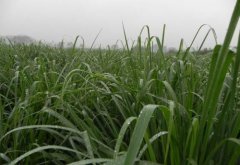
The Benefits and Effects of Lemongrass, and an Introduction to the Lemon-Scented Plant
Lemongrass: In Taiwan, China, during the 40s to 50s of the Republic of China era (1951-1961), it was once cultivated on a large scale to extract lemongrass oil for export trade. At that time, together with peppermint oil and camphor oil, it was one of the important agricultural products that earned foreign exchange for our country. After the 57th year of the Republic of China (1968), due to the development of chemical synthesis technology
-
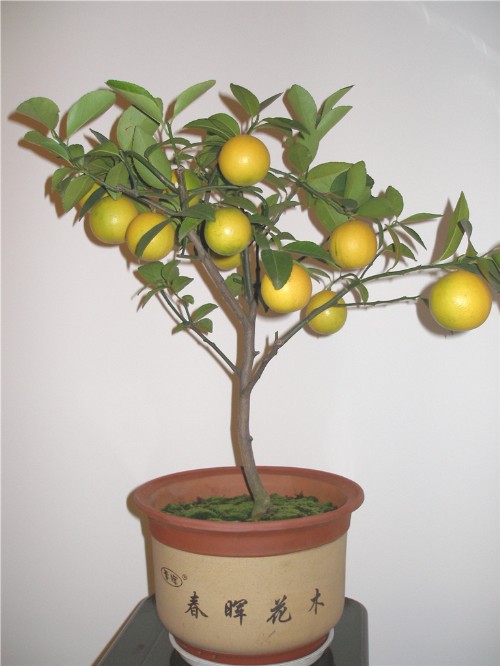
How to Grow and Care for Potted Lemons
The lemon is an evergreen small tree of the genus Citrus in the family Rutaceae. The leaves are relatively small, oblong-elliptic, with fine serrations along the margins. The flowers are solitary, opening throughout all four seasons, with a rich fragrance. The fruit is oblong-elliptic or oval, ripening in autumn and winter. The rind is yellow, the flesh is extremely sour with a strong aroma, the juice contains citric acid, and the rind can be used to extract lemon oil.
-

How to Grow Lemon Basil? A Detailed Guide to Cultivation Methods
Lemon basil scientific name: ocimum spp. Alias: Qi Li Xiang. Family and genus: Lamiaceae, Ocimum. Morphological characteristics: plant height 30-60 cm, the whole plant sparsely covered with soft hairs, stems erect, much branched, obtusely four-angled. Leaves opposite, ovate, slightly notched, stems and leaves green. Flowers arranged in layered whorls on the flower stem
-

Detailed Explanation of Key Management Techniques for Lemon Flowering Period
Flowering Period Management Techniques for Lemon
-
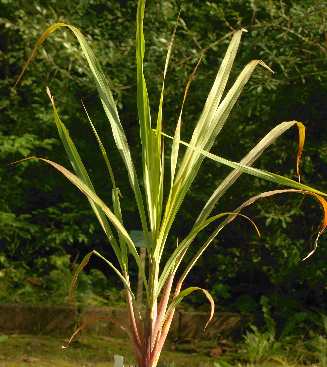
What are the cultivation methods and precautions for lemongrass?
Site selection: Elsholtzia is not strict about soil and can be grown in general soil, but alkaline soil and sandy soil are not suitable. It is drought-sensitive and should not be grown in continuous cropping; the previous crop is best as cereals, legumes or vegetables. Soil preparation: plow 20 cm deep, apply farmyard manure before plowing, ridge rows 40 cm-50 cm apart, or make flat beds
-
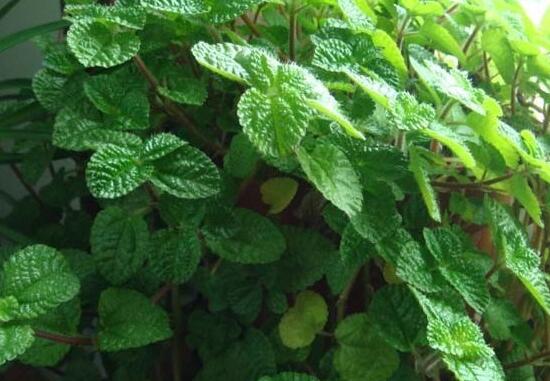
What to do when the leaves of the lemon balm plant turn black? Supplement light, clean off dust, and reduce indoor toxins
As people pay more and more attention to their health, more and more people are starting to grow plants indoors, and the lemon balm plant, which can absorb toxic gases, is naturally potted at home by many people. However, during the cultivation process, many flower lovers' lemon balm plants develop various problems, such as blackening leaves
-
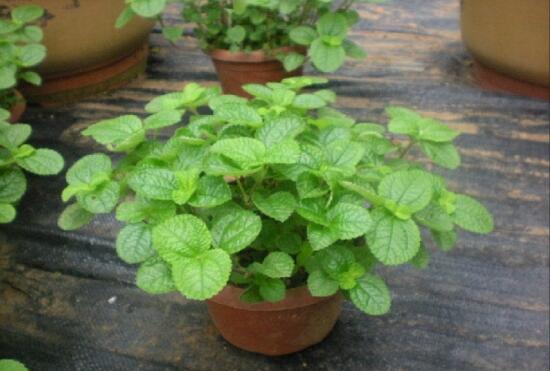
How to grow lemon balm? Growing methods and precautions, watering should not be excessive
Lemon balm, as the name suggests, is a plant that can absorb harmful gases and purify the air, and is often kept as a potted plant at home. In daily life, many beginners choose lemon balm when growing plants, but they do not know how to grow lemon balm. For this reason, the editor has carefully compiled the growing methods and precautions for lemon balm
-
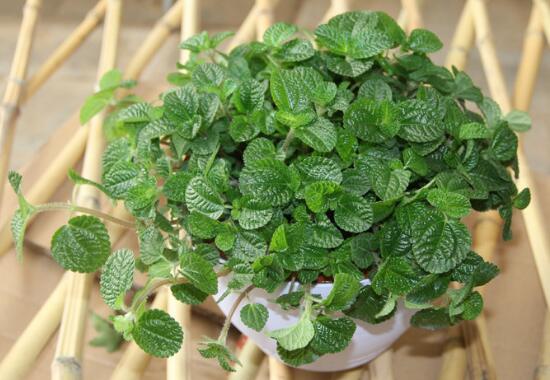
How to Propagate Lemon Balm: Three Propagation Methods for Lemon Balm / 100% Survival Rate with Cuttings
Lemon balm has recently become a highly popular indoor potted plant. Not only does it look attractive, but more importantly, it can absorb toxic gases such as formaldehyde. However, one pot of lemon balm clearly isn't as effective as several pots. To increase the number of lemon balm plants, besides buying more, you can propagate them yourself. So how do you propagate lemon balm?
条件筛选