-
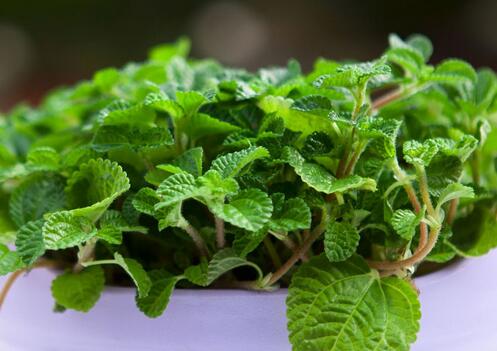
How to Propagate Lemon Balm and Care Tips
Lemon balm is a common indoor plant that can absorb harmful indoor gases, purify the air, beautify the environment, reduce pollution and protect the eyes. It is called the nemesis of hidden killers and the guardian of health. So how do you propagate lemon balm? Below, the editor brings you the detailed content.
-
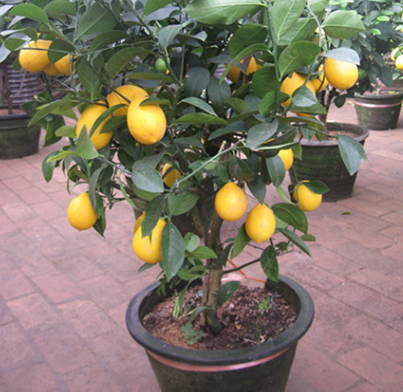
What to Do When a Potted Lemon Tree Loses Its Leaves? I'll Teach You the Correct Way to Prune
The lemon is a fruit people commonly use. It is a shrub plant with many uses and can be used for beauty care, so it is quite popular. That is why many people grow lemons as potted plants, keeping them at home to both beautify the space and provide something edible, killing two birds with one stone. How to prune a potted lemon tree? Potted lemons need pruning.
-
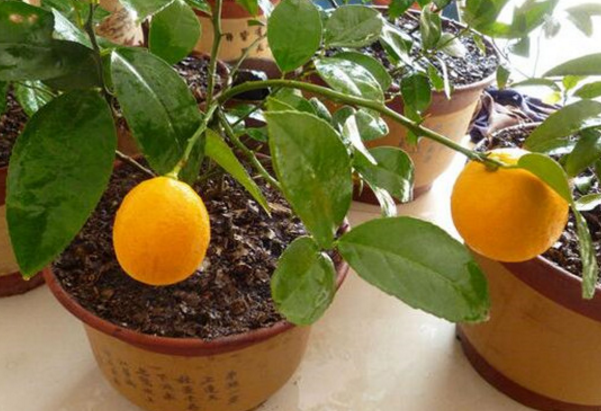
Lemon Tree Cutting Propagation Methods and Reasons It Only Blooms Without Fruiting
Lemons taste quite sour, with juicy flesh and a rich aroma, but they are not really suitable for eating directly. They are generally used as a seasoning, in cooking, as well as in cosmetics, beverages and so on. They are rich in vitamin C, which is good for the body, and they are the nemesis of scurvy. Lemon cutting propagation methods: the fastest and most direct way to propagate lemons is by cuttings.
-
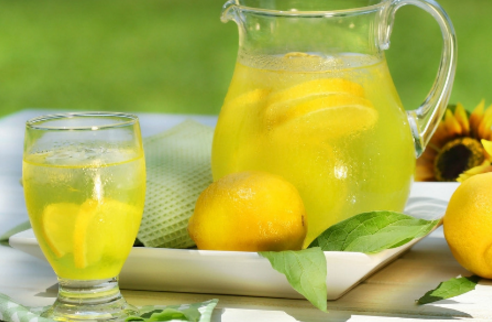
Can You Eat Lemon Seeds? Learn How to Grow a Small Lemon Potted Plant
Lemon seeds are familiar to anyone who enjoys eating lemons. Can you eat lemon seeds? How do you grow a small potted plant from lemon seeds? Can you eat lemon seeds: Yes, lemon seeds can be eaten. Lemon seeds contain limonin and various vitamins.
-

Can lemon mint be eaten? A detailed guide to growing it
Lemon mint is familiar to many people, and a huge number of people like it, so what is the growing method for this lemon mint? Can it be eaten: Lemon mint growing method: 1. Sowing time: in the Yangtze River basin area of southern China, it is planted in autumn and winter, that is, from late October to late November
-

A Detailed Guide to Lemon Balm Cultivation Techniques and Uses
It looks like mint, but it is not related to mint at all. The whole plant gives off a strong lemon fragrance, and brewing a tea with fresh or dried leaves is truly a great pleasure. It can be planted in all four seasons and prefers a relatively humid climate, but summer should be avoided. It can tolerate dryness slightly, but it needs more water to grow well. Therefore, the soil should be kept at proper moisture and not allowed to become too dry. [Scientific name]Melissaofficinalis. [English names]LemonBalm, BalmMint
-
What is licorice lemon? A comprehensive guide in one article
This product belongs to the category of preserved fruits (liangguo), and is made by further processing salted lemon embryos. Its processing technique is as follows: 1. Raw material handling: the salted lemon embryos need to be soaked in water to remove part of the salt, using a large amount of clean water for soaking. Before the lemon salted embryos are processed with table salt, if the raw material is large, it can be sliced, generally crosswise slices are preferred; if small, it can be salted whole. Because when processing licorice lemon the raw material may be sliced or salted whole, the dehydration time for sliced raw material can be shortened, while the desalting time for whole ones will be relatively longer. The degree of desalting generally requires leaving at least 2% salt
-
A Detailed Guide to the Cultivation Techniques and Uses of Lemon Balm
Lemon balm, also known as bee balm, melissa, and lemon mint, is a perennial herbaceous plant of the genus Melissa in the family Lamiaceae, native to both shores of the Mediterranean in Europe. In pots, the plant grows about 30 cm tall; in the ground, 50-80 cm, with upright, much-branched stems; the leaves are yellow-green, sparsely covered on both sides with soft hairs and transparent glandular dots; the inflorescence is a verticillaster, terminal or axillary, and the corolla is two-lipped, mostly white or pale yellow. Lemon balm likes light but dislikes direct sunlight; it tolerates both heat and cold, and in the north it can overwinter safely in the open ground with a little mounding and covering of soil.
-
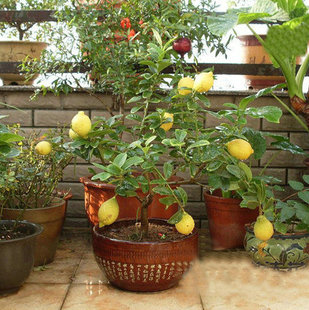
What to Do When Potted Lemons Drop Their Fruit? Causes and Solutions
Many gardeners love potted lemon trees. Not only can they serve as foliage plants, but gardeners also hope to see them covered with lemons. However, some gardeners have found that although their lemons set fruit, the fruit then drops off, and they do not know what to do. A gardener asks: The lemon I bought 3 years ago drops its fruit every year when the fruit reaches the size of a fingernail.
-

A detailed explanation of the planting methods and key technical points for lemongrass
Planting methods for lemongrass
条件筛选