-
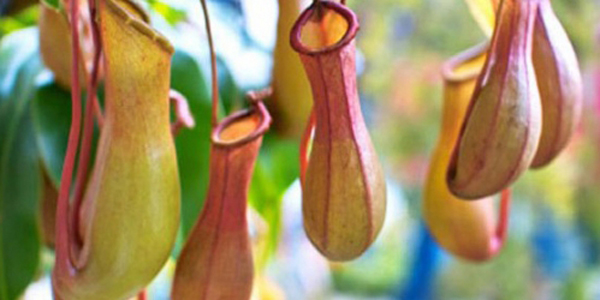
How to grow Nepenthes? Seven tips to make it easier to keep alive
Once, a newspaper's report on Nepenthes sparked a buying craze for Nepenthes in China. Its insect-catching nature and peculiar appearance are deeply loved by the general public. But from the tropics to the subtropics, how do you grow Nepenthes? Nepenthes cultivation temperature: Nepenthes likes a high-temperature environment, growing vigorously at 20-30°C
-
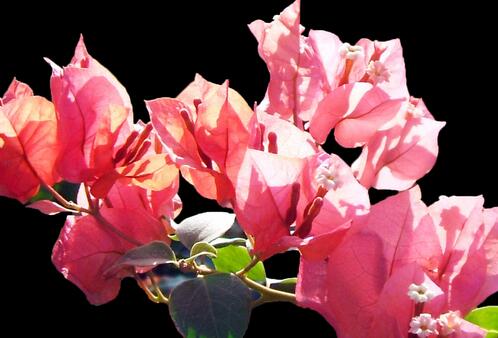
How long does Bougainvillea take to root from cuttings? Reasons it keeps failing to root
How long does Bougainvillea take to root from cuttings? In May and June, cut mature woody branches of Bougainvillea, 20 cm long, insert them into a sand pot, cover with glass, and keep moist; they can root in about one month, and can bloom after two years of cultivation. So why does Bougainvillea often fail to root from cuttings? Below, the editor brings you the detailed content.
-
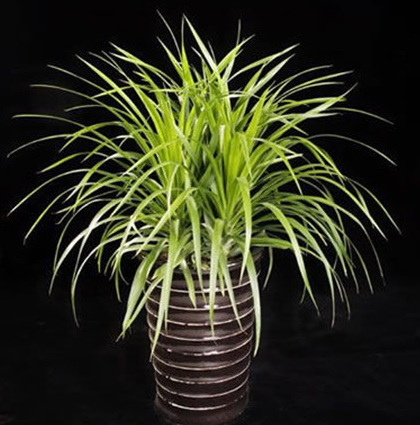
Is Dracaena Poisonous? Feasibility of Keeping It at Home and Analysis of Why the Leaves Turn Yellow
Dracaena, also called the bleeding tree, the holy herb for blood activation, and the longevity plant. It is the precious Yunnan red medicine dragon's blood, also known as qilin jie, and is as famous as Yunnan Baiyao. Li Shizhen praised it in the Compendium of Materia Medica as the "holy herb for blood activation"! So is this plant actually poisonous? Let's find out.
-
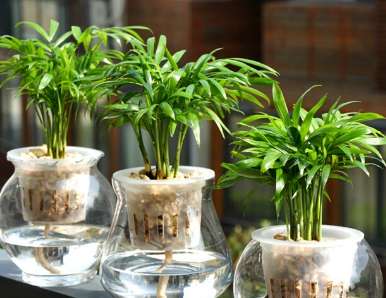
Benefits of hydroponic plants over potted plants: easy to care for and easy to keep alive
Modern society is an era that emphasizes efficiency, where everything is required to be fast, so more and more people love growing hydroponic plants at home. Hydroponic plants have a high survival rate and also solve many of the troubles brought by potted plants. So what exactly are the benefits of hydroponic plants? Let's take a look.
-
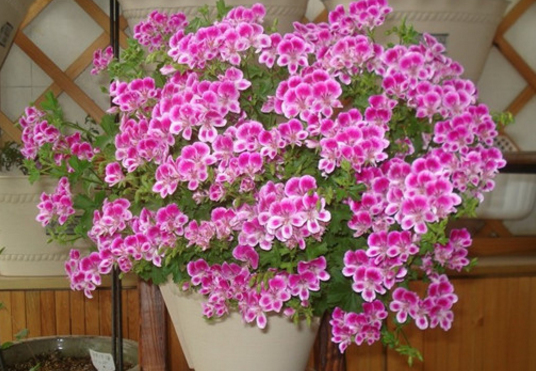
Is Geranium Toxic? A Detailed Guide to Keeping It During Pregnancy and Propagating It from Cuttings
Geraniums can be elegant or vividly bright, with endlessly varied, graceful forms. You may fall in love with them at first glance. But such a beautiful flower makes people wonder whether it is toxic, because beautiful things always seem to protect their stunning looks with weapons.
-
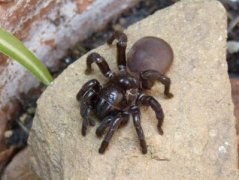
Getting Started with Tarantula Keeping: Essential Tools and Substrate for Beginners
What tools are needed for keeping tarantulas? What substrate is best for tarantulas. Essential tools for keeping 1. Enclosure: You can choose an acrylic box or a plastic enclosure, or even buy a storage box and drill holes in it. Basically, the size just needs to be 1 to 2 times the tarantula's leg span.
-
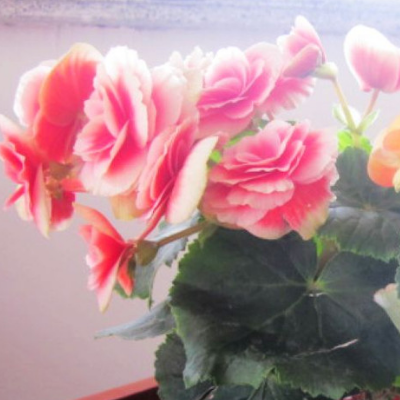
Is glass begonia toxic? Grow it this way to keep it blooming continuously
Glass begonia is a plant whose flowers are as beautiful as those of begonia. How do you grow glass begonia so it blooms continuously? Is glass begonia toxic: How do you grow glass begonia so it blooms continuously: (1) Temperature and light. Glass begonia is a sun-loving plant, so it should be placed in a spot with ample light.
-

What are the key technical points for keeping lambs safe through the winter
How to keep lambs safe through the winter
-

How to Keep a Savannah Monitor? Basic Care Tutorial
Do you like savannah monitors? Do you know how to keep them? Below is an introduction to keeping savannah monitors. Environment: Savannah monitors come from the African savanna. They like to climb and swim less. But they still need a large swimming pool. When young, they like
-
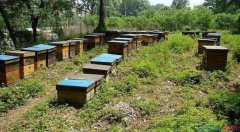
Introduction to Model Beekeeping with the Chinese Honeybee: Beekeeping Techniques Teach You How to Keep Bees
What is model beekeeping like? How good is this beekeeping method? How exactly is model beekeeping done? Let's take a look together. Model beekeeping is currently the most advanced beekeeping technique in China. Model beekeeping saves manpower and material resources, builds strong colonies that do not swarm, and the bees have a particularly strong resistance to wax moths. When the queen's egg-laying ability declines, natural supersedure occurs on its own without human intervention; usually two queens lay eggs in the same hive, rapidly strengthening the colony, greatly increasing honey production, several times or even more than ten times higher than conventional rearing methods.
条件筛选