Is Geranium Toxic? A Detailed Guide to Keeping It During Pregnancy and Propagating It from Cuttings
Geraniums can be elegant or vividly bright, with endlessly varied, graceful forms. You may fall in love with them at first glance. But such a beautiful flower makes people wonder whether it is toxic, because beautiful things always seem to protect their stunning looks with weapons.
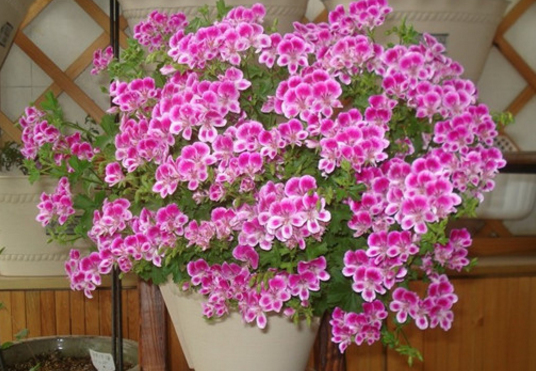
Is Geranium Toxic? Is It Suitable to Keep During Pregnancy?
Is geranium toxic?
Whether it is toxic or not actually depends on the situation: kept properly at home for viewing, its scent is non-toxic. But the plant itself is toxic, and it can be said that the whole geranium plant is toxic. Eating it by mistake can cause poisoning symptoms such as colic, abdominal pain, diarrhea, rapid breathing, vomiting, and blood in the stool. However, I think no one would be hungry enough to eat flowers.
Still, when growing it at home, try to wear gloves when pruning branches, leaves, and flowers, because its sap can also cause redness, swelling, and itching if it touches the skin.
Who should stay away from geraniums?
Staying away is not because geraniums are toxic, but because of their floral scent. The scent of geraniums is a bit like roses and a bit like mint. Not only is it non-toxic, it can also help regulate hormones, stimulate lymphatic detoxification, and balance skin oil secretion. At the same time, geranium is also a very good insect repellent. This is especially true of scented geraniums, which release fragrance as soon as they are touched. But this applies to some people only; those with allergic skin are best not to keep geraniums at home.
During pregnancy, or when there is a baby at home, it is also unsuitable to place geraniums, because pregnant women and babies are relatively sensitive and may easily develop allergies and other conditions due to the irritation from geraniums.
How to propagate geraniums correctly from cuttings
1. How to take geranium cuttings
First, find a few plastic cups like these and poke a few small holes in the bottom to allow water to drain.
Cut geranium stems and let them dry in a shady place for a day before using them.
Fill the plastic cup with soil and insert the stem directly into it.
After inserting the cutting, place it in a shady spot with appropriate light.
Roots will form in about half a month, and you can see the growth of the white root system through the plastic cup.
2. How to pot up geraniums
Once the geranium root system has grown dense, it can be potted up. Follow the steps below.
First, hold the seedling as shown in the picture.
Turn it upside down, with the seedling facing downward.
Immerse the entire flowerpot in water. At this point, loosen your hand slightly so the sand flows through your fingers into the water. Gradually, you can remove the plant from the pot, and the soil around the roots is also washed very clean.
What remains is transplanting. Pinch the main stem of the geranium with your fingers and hold it upright, then add soil with your other hand.
Done, the transplanting is successful.
Is Geranium Toxic? Geranium Propagation Methods
Geraniums are elegant yet can also be vividly bright, and are deeply loved by people. They are often kept indoors as potted plants for purification and decoration. So do you know whether geraniums are toxic? Below we will tell you the answer and the propagation methods for geraniums.
Is geranium toxic?
Geraniums themselves are non-toxic, so you can keep them at home with peace of mind. Of course, for people with an allergic constitution, their pollen can easily cause allergic reactions in allergic skin, so placing geraniums indoors should be avoided. The scent of geraniums is a bit like roses and a bit like mint. Not only is it non-toxic, it can also help regulate hormones, stimulate lymphatic detoxification, and balance skin oil secretion. At the same time, geranium is also a very good insect repellent. During pregnancy, or when there is a baby at home, it is also unsuitable to place geraniums, because pregnant women and babies are relatively sensitive and may easily develop allergies and other conditions due to the irritation from geraniums.
Geranium propagation methods:
1. Seed propagation
This can be done in spring or autumn, and indoor pot sowing in spring is best. The suitable germination temperature is 20-25°C. Geranium seeds are not large, so after sowing, do not cover them with too much soil. They germinate in about 2-5 days. If sown in autumn, they can bloom in summer the following year. Seedlings grown from seed propagation can be selected to produce excellent intermediate-type varieties.
2. Cutting propagation
Cuttings can be taken except in June-July, when geraniums are in a semi-dormant state. Spring and autumn are best. In high summer temperatures, cuttings easily turn black and rot. Choose cuttings 10 cm long, with the top part being best, as it has strong growth vigor and roots quickly. After cutting the cuttings, let the cut ends dry for several days to form a thin film, then insert them into a sand bed or a mixed substrate of expanded perlite and peat. Be careful not to damage the stem skin of the cuttings, otherwise the wounds easily rot. After inserting, place them in a semi-shady spot and keep the room temperature at 13-18°C. After insertion, they root in 14-21 days, and when the roots are 3-4 cm long they can be potted. During the cutting process, soaking the base of the cuttings in 0.01% indolebutyric acid solution for 2 seconds can increase the survival rate and rooting rate of cuttings. Generally, geranium cuttings bloom after 6 months of cultivation, that is, cuttings taken in January bloom in June; cuttings taken in October bloom in February-March of the following year.
Is Dieffenbachia Toxic? Can Dieffenbachia Be Placed in an Indoor Bedroom?
Many people nowadays like to grow some flowers and plants on the balcony at home, or in the office or bedroom. Indeed, flowers and plants give people a vibrant feeling and can add many colors to a room, making people feel happy. But not all flowers and plants can be grown indoors. Dieffenbachia is a foliage plant, and many people like to grow it at home, so can Dieffenbachia be grown indoors?
Is Dieffenbachia toxic?
But the sap of Dieffenbachia is toxic, generally with the tissue fluid in the stem being the most toxic. If the mucus sticks to the hands or skin, it can cause allergic reactions, producing patches or a very itchy feeling, and scratching without care will make it itch more. Too much contact can cause hair loss, and if accidentally ingested, it can even be life-threatening. If it accidentally gets into the eyes, it may cause temporary blindness. Once you come into contact with the sap of Dieffenbachia, rinse immediately with clear water.
Can Dieffenbachia be placed in an indoor bedroom?
Try not to place it in the bedroom, because large-leaf plants consume relatively more oxygen at night, which will lower the oxygen content in a closed room! Placing it in the living room is still no problem!
After accidentally eating the branches and leaves of Dieffenbachia, it will cause swelling and pain in the mouth, throat, esophagus, and gastrointestinal tract, and may even damage the vocal cords, making a person mute; it may also cause burns and edema of the surface of the lips and tongue, heavy drooling, and affect swallowing and breathing. Symptoms can last for several days or more than a week. In severe cases, swelling of the mouth and tongue can cause suffocation. Sometimes nausea, vomiting, and diarrhea occur, and attention should be paid to this.
This is especially important to note if there are children at home; when taking cuttings, do not let the sap touch the skin, and even more importantly, do not let it get into the mouth, otherwise it will cause skin itching and pain or other poisoning phenomena. After handling it, wash your hands with soap.
Care tips for Dieffenbachia
1. Watering
Water scientifically. Dieffenbachia likes a high-humidity environment. In winter, the pot soil of indoor overwintering plants should alternate between dry and moist, and must not be too dry. If the pot soil is too dry, the leaf tips will turn yellow and scorched, die, and even the whole plant will wilt. The main reason is that the root system cannot absorb water. Therefore, in winter, keep the air moist and the pot soil moist. Generally, watering once a week is suitable, and the leaves should also be washed once with warm water to keep the leaf color vivid.
2. Temperature and light
Dieffenbachia likes high temperatures and fears cold, so it should be moved indoors for overwintering in October. The temperature should be kept at around 15°C. It requires sufficient light and good ventilation. Temperatures below 10°C or excessive moisture often cause leaf drop, and even rot at the stem tip; too weak light will cause the leaves to fade. Usually wipe the leaf surface with a soft cloth to remove dust and increase ornamental value.
3. Fertilization method
During the growing period, Dieffenbachia is generally fertilized once a month, especially with nitrogen fertilizer, which can promote rapid growth. From March to August, apply fertilizer water once every two weeks, and reduce fertilization after autumn.
Which flowers and plants are not suitable to plant indoors
1. Desert rose
The white milky sap secreted by desert rose can make people drowsy and even cause poisoning. Especially if there is a pregnant woman at home, it is even more unsuitable to plant this flower, as it can cause abnormal fetal heart sounds and thereby affect fetal development. Although this flower is beautiful, our bodies do not seem to like it very much, so it is not recommended to plant it indoors.
2. Mimosa
I believe friends who have grown mimosa know that it is a very cute and fun plant, and children especially like to tease it. But in fact, the mimosine in mimosa is a highly toxic organic compound. Long-term placement indoors or excessive contact with it can cause hair loss.
3. Night-blooming jasmine
Night-blooming jasmine, as the name suggests, releases fragrance at night. Its fragrance is relatively strong because night-blooming jasmine releases a large number of microparticles that stimulate the human sense of smell. Because its fragrance is too heavy, it easily causes discomfort such as depression in people. Especially if there are people with high blood pressure at home, it can cause dizziness, making it even more unsuitable to plant night-blooming jasmine.
4. Geranium
The tiny particles released by geraniums can easily cause itching symptoms when they come into contact with human skin. Especially for friends who are allergic to pollen, it is even more unsuitable to stay in the same house as geraniums. It should still be allowed to grow outdoors, giving each other space.
5. Cypress pine
Cypress pine is a bonsai with very high ornamental value. Its green color makes people feel relaxed and comfortable, so many people like to place them indoors to improve the atmosphere and relieve visual fatigue. However, the scent of cypress pine is actually bad for the human intestines. Especially if a pregnant woman stays for a long time in a room where cypress pine is planted, it will worsen nausea and vomiting.
As mentioned above, in our lives there are countless beautiful and unique flowers and plants, each with its own characteristics. People who love flowers wish they could grow them all in their rooms. In fact, quite a few of these plants contain certain toxins and are not suitable to be placed indoors!