-

A Detailed Introduction to Orchid Species and Their Development
A Guide to Understanding Orchid Species and Their Development
-
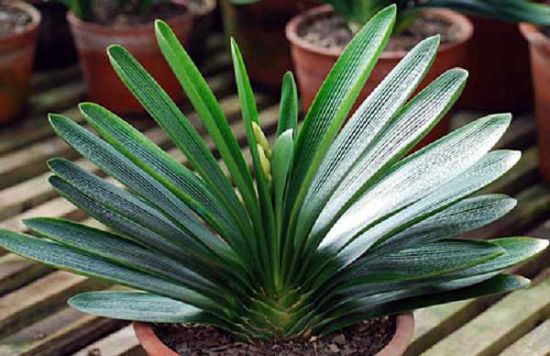
How to Propagate Clivia? A Detailed Introduction to Common Propagation Methods
How to Propagate Clivia? An Introduction to Clivia Propagation Methods
-
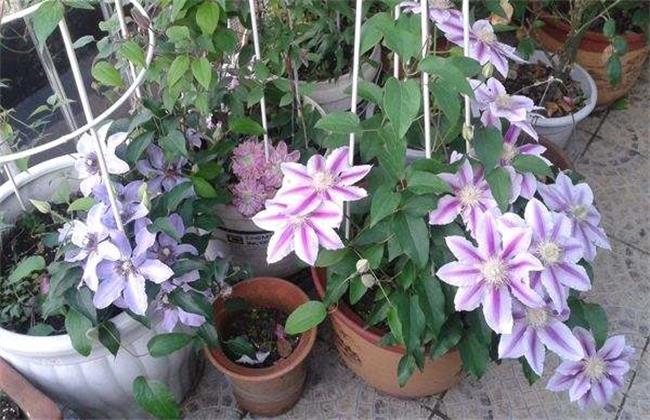
What are the propagation methods for clematis? A detailed introduction to the common methods
Propagation methods for clematis
-
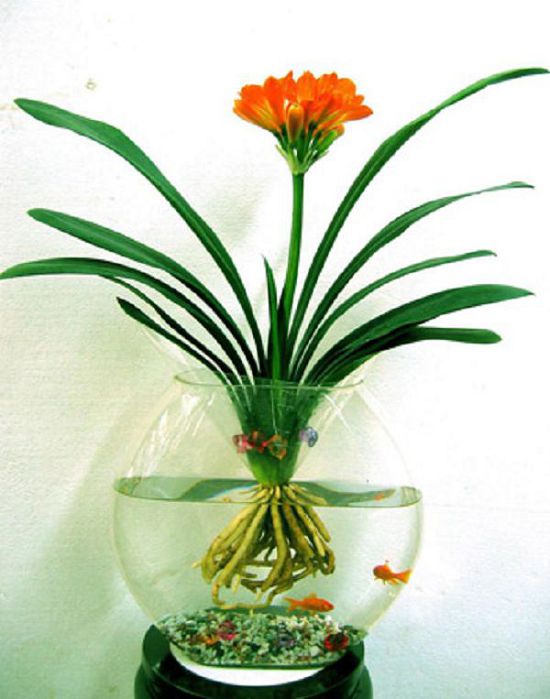
What are hydroponic plants and flowers? Introduction to species suitable for hydroponic cultivation
What kinds of plants and flowers can adapt to hydroponics, water culture, and water growing?
-
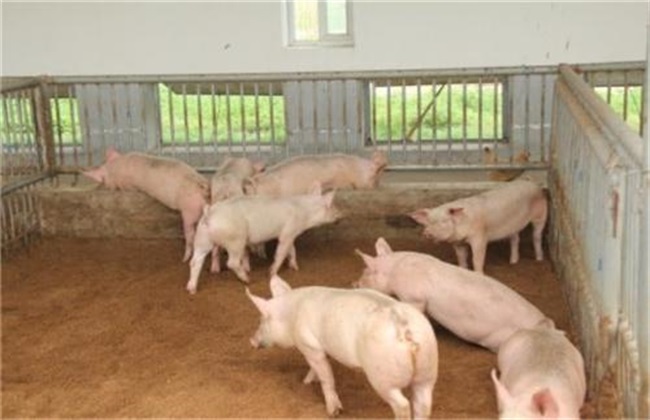
Key Points of Environmentally Friendly Pig Farming Technology and Introduction to Ecological Farming Methods
Environmentally Friendly Pig Farming Technology
-
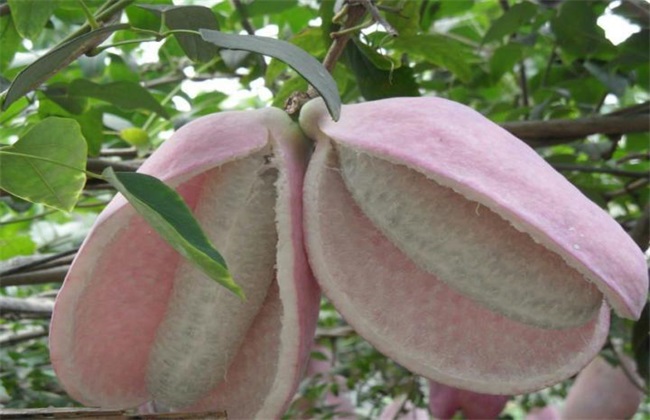
How to propagate the eight-month melon? Detailed introduction to propagation methods
How to propagate the eight-month melon? Propagation methods for the eight-month melon
-
How is flower and plant blooming period regulation done? A detailed method introduction
A detailed introduction to flower and plant blooming period regulation methods
-
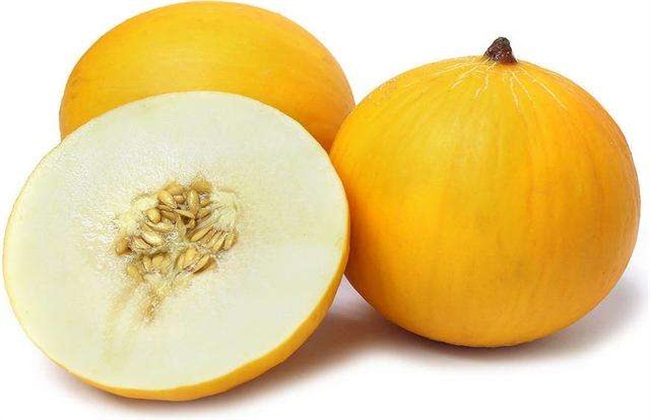
What are the common varieties of melon? Introduction to the main varieties
Common varieties of melon
-
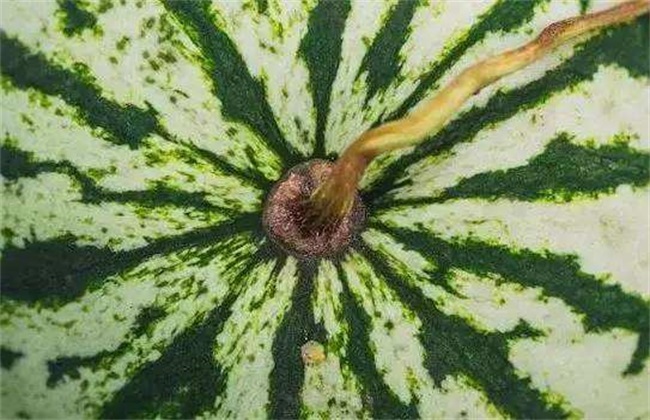
How many days does a watermelon generally take to ripen? An introduction to the ripening period
How many days does a watermelon take to ripen
-
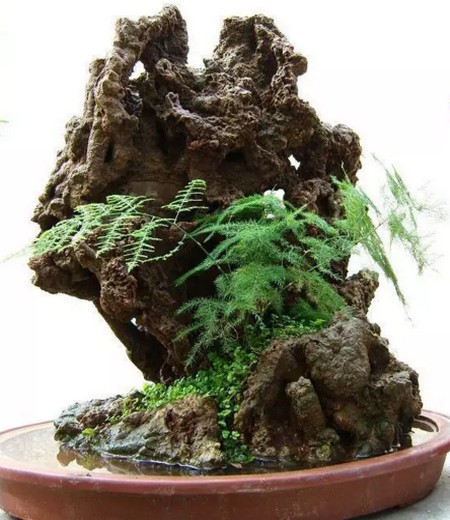
Introduction to Plants for Water-Absorbing Stone (Water-Uptake Stone) Bonsai: Understanding Plant Habits
Water-absorbing stone has strong water-uptake capability; after the pot is filled with water, it can absorb water to the top in an instant. Wild grass and moss can be planted on the stone, lush and verdant, making it an excellent stone for creating bonsai. Sand-accumulated stone is porous and brittle, but its water absorbency is very strong; limestone has slightly higher hardness, and its structure is denser than sand-accumulated stone. Water-absorbing stone
条件筛选