-

When was cotton introduced to China? An introduction to China's cotton cultivation history
Cotton is one of the world's most important crops. It is the seed fibre of plants in the genus Gossypium of the mallow family (Malvaceae) and can be made into fabrics of various specifications. At present, the countries with the highest cotton production in the world are China, the United States, India, Brazil, Mexico, Egypt, Pakistan, Turkey, Argentina and Sudan
-
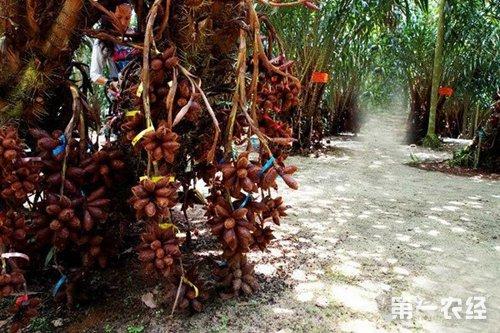
What does salak look like? Pictures and prices, is it easy to grow? Introduction to cultivation techniques
How does salak grow? Salak, also known as sala, is a famous fruit of Southeast Asia. It grows on trees, pointed at the top and round at the bottom, with a reddish-brown skin, about the size of a chicken egg, similar to an avocado. How much is salak per jin? The price of salak varies from place to place
-
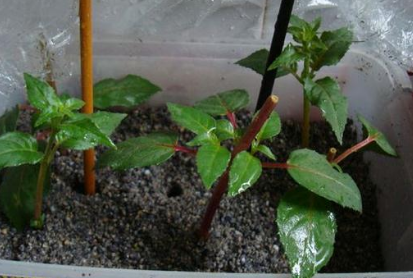
Fuchsia Cuttage Methods and Common Varieties Introduction
Fuchsias have peculiar shapes, like little lanterns, but not every variety has the same shape. There are long-tubed ones, short-tubed ones, and the colors are not all the same either. So fuchsias also have many different varieties. Let's uncover the mysterious veil of the fuchsia together.
-
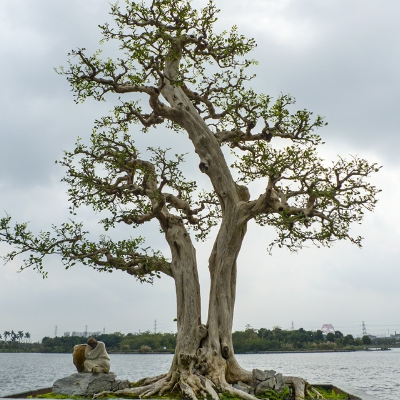
Lingnan bonsai: production methods and price introduction
Lingnan bonsai, this is a bonsai association, that is, one specializing in this area of bonsai, and many people like it
-
What to use to disinfect sago palm root rot? Introduction to the correct treatment method
The sago palm not only has a thick trunk at its rhizome, but also a very developed root system. Generally, we need to prepare a large flower pot to grow it. However, the sago palm is relatively drought-tolerant and afraid of waterlogging, so overwatering easily causes root rot. When root rot occurs, we must take remedial measures in time.
-
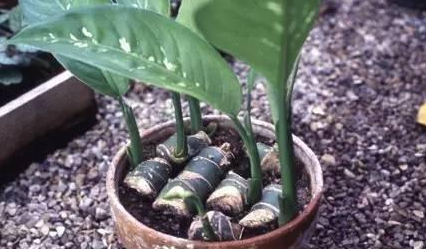
How to propagate Rohdea japonica? Introduction to common propagation methods
How to propagate Rohdea japonica? Propagation of Rohdea japonica is relatively simple; it can be propagated by sowing, division, and cuttings, though division is relatively more commonly used. Division propagation: although Rohdea japonica can be propagated by sowing, due to the limitation of seeds, division is generally used for propagation
-
How to Prevent Tea Plants from Flowering? Introduction to Practical Measures
Every year in summer and autumn, tea plants both form new tea buds of the current year and produce flower buds, while the fruits of the previous year mature, creating a "bearing young while pregnant" phenomenon that affects the yield and quality of fresh leaves. To improve tea yield and quality, the measures to prevent tea plants from flowering are introduced as follows: 1. Spray gibberellin. During the peak period of physiological flower bud differentiation, use 100 mg/kg gibberellin plus 75-100 kg of 2% urea aqueous solution per mu, and spray evenly on the upper surface of the leaves. Gibberellin can stimulate the elongation and division of tea bud primordial cells
-
Introduction to the Tea Plant Cultivar Qianmei 809
Crop type: Tea plant Cultivar name: Qianmei 809 Breeding institution: Guizhou Provincial Tea Research Institute Variety source: Fuding Dabaicha x Qianmei 412 Provincial approval status: Approved in 1999 by the Guizhou Provincial Crop Variety Approval Committee Characteristics: Belongs to the small tree type, large-leaf class, medium-season cultivar. Has a distinct main trunk, branches semi-spreading, leaves slightly upward-slanting in arrangement. Average leaf length is 14.2 cm, width 6.7 cm, leaf veins 9-11 pairs, leaf surface raised, leaf tip acuminate
-
Introduction to Finger Citron Propagation and Seedling Methods: Quickly Master the Key Points of Raising Seedlings
Finger citron (Citrus medica var. sarcodactylis) is a shrub or small tree in the genus Citrus, family Rutaceae. It is a tropical and subtropical plant that prefers a warm, humid environment with plenty of sunlight. It is cultivated in various places south of the Yangtze River in China, and in the southern provinces and regions it is mostly grown in courtyards or orchards. It is usually used as a traditional Chinese medicine, or grown as an ornamental plant because of its unusual fruit shape, and it has extremely high cultivation value.
-
An Introduction to the Characteristics of Lingnan Penjing: Style and Shaping Features
China has a vast territory, rich in land and resources. Because each region has a different geographical environment and greatly differing climates, the plants grown in each place have their own characteristics, the tree species vary, and the subjects and techniques of penjing creation are likewise not the same. Since the art of penjing is a reflection of the author's subjective thinking and emotions, the penjing created in each region
条件筛选