What are the propagation methods for clematis? A detailed introduction to the common methods
As a flower with relatively high ornamental value, clematis is very popular in our country. Whether as a potted plant or for ornamental landscaping in gardens, it is very common. Nowadays, more and more people are growing clematis, and when growing clematis, propagation work is very important. So how should clematis be propagated? Today, the editor brings you the propagation methods for clematis. Let's take a look below!
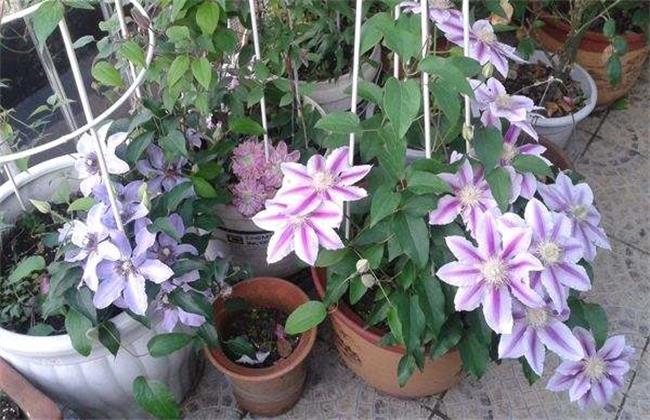
1. Cuttage propagation
Cuttage propagation is a commonly used propagation method for clematis. Every year in July-August, choose a semi-mature, robust branch on the plant. Then take the midpoint between the upper and lower nodes and cut it, keeping about two buds on each node. Then use peat, sand and other materials to prepare a cutting substrate. Insert the cuttings into the substrate, exposing the buds on the nodes. Keep the ground temperature at about 16 degrees. To prevent a sudden temperature drop, it also needs to be placed in a greenhouse to overwinter. In summer, shade and rain protection work must also be done well. Generally, around October it can be planted out.
2. Seed propagation
In addition to cuttage propagation, seed propagation is also a relatively commonly used propagation method for clematis. Clematis can be sown in spring and autumn. If sown in spring, it will generally germinate in about one month. If sown in autumn, then you must wait until the weather is warm in spring. When sowing in spring, because the germination cycle is relatively short, we need to do a good job of pre-germinating the seeds. First soak the seeds in warm water at about 50 degrees for about 20 hours, then drain the seeds and wrap them in a wet cloth for pre-germination. When about 60% of the seeds show white sprouts, sowing can begin.
When sowing, we must control the sowing time according to the planting region. In the north, because the temperature is lower, sowing should be carried out around Qingming Festival, while in the south, because the temperature rises faster, sowing can be carried out in March. Before sowing, do a good job of land preparation, ensure the terrain is level, and make beds ready for sowing. The sowing method for clematis is generally mainly drilling, with row spacing controlled at about 55 cm and sowing furrow depth of two cm. After sowing, cover with soil about 1.5 cm and press appropriately. Because the seed germination cycle in autumn is long, it is not necessary to pre-germinate; sowing directly in November is fine.
3. Other propagation methods
In addition to seed propagation and cuttage propagation, clematis can also be propagated by layering. When layering, first choose a robust, pest-free old branch from the previous year. Then girdle and peel the bark about 10 cm from the base of the branch down to the xylem, disinfect it, and apply an appropriate amount of rooting agent. Then press it directly into the soil and cover it firmly, and do a good job of daily management. Generally, it can take root within one year. After rooting, directly cut off the root part, and it becomes a separate plant. Moreover, because clematis is a clustered plant, it can also be propagated by division.
The above is a brief introduction to the propagation methods for clematis. That's all for today's introduction. This article is for reference only, and I hope it can help everyone!