What are hydroponic plants and flowers? Introduction to species suitable for hydroponic cultivation
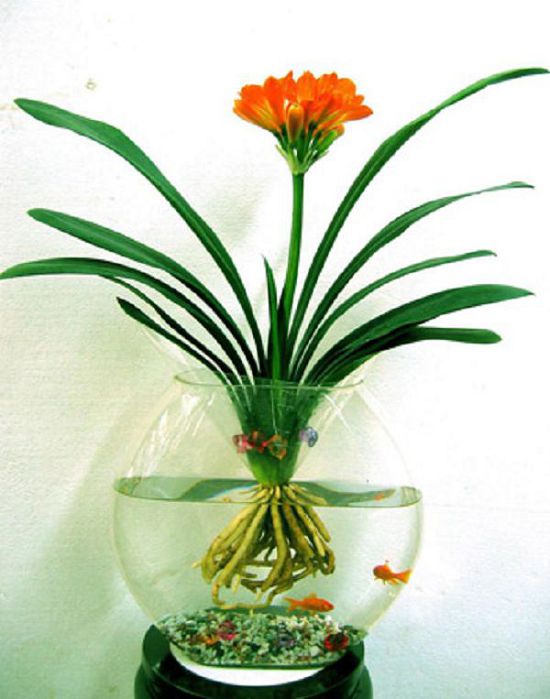
Although water-grown flowers have many advantages in terms of cultivation and ornamental value, not all flowers can adapt to water culture. Whether a plant can be grown in water depends on its growth habits and internal structure. A person would suffocate in a room without oxygen, and flowers are the same: they not only need water, nutrients, light, and temperature, but also sufficient oxygen for respiration. Most flowers are not suitable for water culture because their root systems will die from lack of oxygen in water. Through cultivation trials, the following types of flowers can adapt to water culture.
1. Liliaceae Most Liliaceae flowers can adapt to the conditions of water culture, such as golden-edged lucky bamboo (Dracaena sanderiana), silver-edged ribbon grass (Reineckea carnea), ribbon grass (Reineckea carnea), dwarf lilyturf (Ophiopogon japonicus), snake plant (Sansevieria trifasciata), silver-edged evergreen (Aglaonema modestum), spider plant (Chlorophytum comosum), dotted haworthia (Haworthia fasciata), and agave (Agave americana).
2. Araceae Most Araceae flowers can be grown in water. They include philodendron (Philodendron), pothos (Epipremnum aureum), Guangdong evergreen (Aglaonema modestum), Swiss cheese plant (Monstera deliciosa), green giant (Philodendron bipinnatifidum), spotted evergreen (Dieffenbachia), green princess (Philodendron), arrowhead plant (Syngonium podophyllum), anthurium (Anthurium andraeanum), calla lily (Zantedeschia aethiopica), Philodendron bipinnatifidum, silver bract taro (Spathiphyllum), and jade gem (Peperomia). They can also be propagated by water cuttings; during water cuttings, they can develop roots within a very short time and grow rapidly after rooting. Sometimes the stems and leaves of Araceae plants such as philodendron cut off after repotting in the greenhouse are discarded by the ditch, and they can develop roots after a few days.
3. Crassulaceae Crassulaceae are mostly succulent flowers, and their bodies contain a relatively large amount of water. If management measures are improper during hydroponics, they are prone to rotting and dying, especially in summer. Crassulaceae flowers that can be grown in water include Aeonium, silver wave brocade (Cotyledon undulata), gem flower (Graptopetalum paraguayense), mother of thousands (Kalanchoe daigremontiana), and Hibiscus rosa-sinensis.
4. Commelinaceae Almost all Commelinaceae flowers can adapt to water culture, such as Lophatherum gracile and purple-leaf spiderwort (Tradescantia pallida).
5. Cornaceae Aucuba japonica and spotted laurel (Aucuba japonica var. variegata) are relatively tolerant of water and moisture, and are suitable for water culture and ornamental viewing.
6. Other types Other flowers that can adapt to water culture include: ivy (Hedera helix), cast-iron plant (Aspidistra elatior), purple-backed Chinese croton (Excoecaria cochinchinensis), bromeliad (Bromeliaceae), bamboo begonia (Begonia maculata), Boston ivy (Parthenocissus tricuspidata), and broadleaf lady palm (Rhapis excelsa), among others.