-
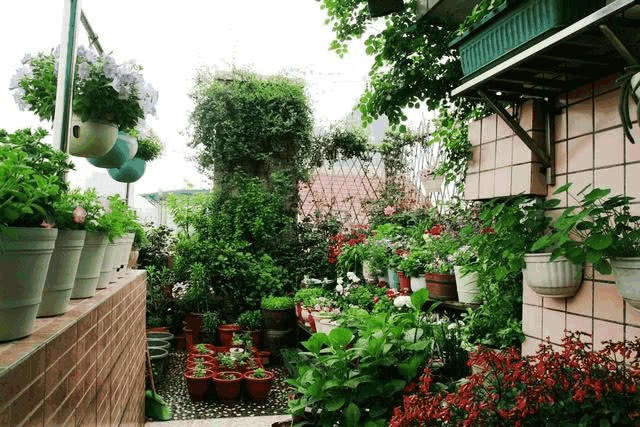
Balcony Gardening Notes: Introduction to Common Fertilizers for Home Gardening
Fertilizer is the "food" for flower growth and development. The purpose of fertilizing is to supplement the lack of nutrients in the soil and meet the needs of flowers for nutrient elements during their growth and development. So, do you know what fertilizers are commonly used for home gardening...
-

Introduction to the Planting Methods and Cultivation Management Techniques of Deutzia parviflora
Deutzia parviflora is a deciduous shrub in the genus Deutzia, family Saxifragaceae. It is distributed in Northeast and North China, and also in Russia and Korea. It mostly grows at the edges of broad-leaved forests or in thickets. The flowers of Deutzia parviflora are elegant in color, small but densely packed. Its blooming period coincides with the flower-scarce summer season, making it an excellent material for landscaping.
-
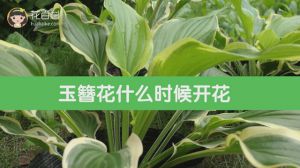
When Does the Hosta Bloom? An Introduction to Its Blooming Season
The hosta's blooming season runs from early summer to midsummer, with the main blooming period in China falling between June and August; the season varies with different varieties and regions. Purple varieties bloom in mid-June, while white ones usually bloom in July and August. Across China, from June to September, different hosta varieties can be seen blooming in different regions.
-
An Introduction to the Characteristics of Lingnan Penjing: Style and Shaping Features
China has a vast territory, rich in land and resources. Because each region has a different geographical environment and greatly differing climates, the plants grown in each place have their own characteristics, the tree species vary, and the subjects and techniques of penjing creation are likewise not the same. Since the art of penjing is a reflection of the author's subjective thinking and emotions, the penjing created in each region
-
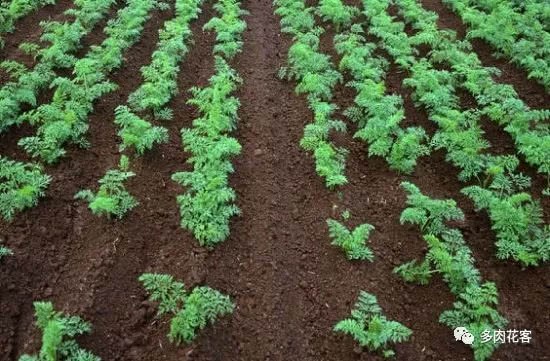
Growing Succulents Without Understanding Soil? An Introduction to Common Succulent Soil Types
Succulent Knowledge | Succulent Beauty Photos | Care Experience | Greenhouse Life | Succulent Lovers' Life. Actually, in the process of growing succulents, soil is quite key, and various soil mix recipes are dazzling. After all, everyone's location is different, and some materials are different too. But growing succulents...
-
Purple Pitcher Plant Pictures and Name Introduction: A Strange Carnivorous Plant
Chinese name: Purple Pitcher Plant Alternative name: Purple Pitcher Plant Latin scientific name: Sarracenia purpurea Family and genus: Sarraceniaceae, Sarracenia Origin and distribution: United States and Canada The purple pitcher plant is a perennial herbaceous plant and the shortest variety among the carnivorous plants in the genus Sarracenia
-
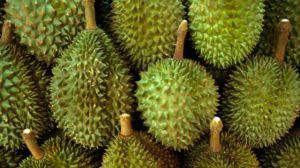
What varieties of durian are there? A detailed introduction to common varieties
Monthong: The fruit is large, with a golden-yellow husk, pointed spines on the outer shell, lots of flesh, and a sweet taste; the flesh is golden-yellow. Sultan: The flavor is rich, the flesh is fragrant and creamy, and the texture is relatively soft. Musang King: Its flesh is thick, the seed is small, the flavor is rich, and the flesh is sweet and fragrant with a clean finish. Chanee: The skin is green, the seed is large and the flesh is scant, and the flavor is rich.
-
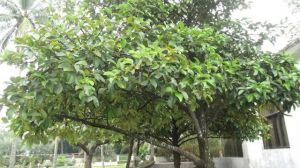
What does a mangosteen tree look like? A detailed introduction to its appearance and characteristics
The mangosteen tree is about 12-20 m tall, with many branches, an upright trunk, dark brown bark, and a conical crown. The leaves are elliptical or oblong-ovate, dark green on the surface and pale yellow-green on the underside, and the leaves break easily, exuding a yellow resin when broken. The flowers are terminal, with 4 petals, and are red in color.
-
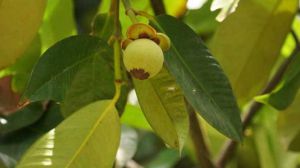
Which regions are suitable for growing mangosteen trees? Introduction to the main producing areas
Mangosteen originated in Southeast Asia, and is widely cultivated in Thailand, Malaysia, Myanmar and the Philippines, among other places; Thailand in particular is the country where it is grown the most. It is not abundantly produced in China, but it has been introduced and cultivated there, for example in Guangdong, Fujian, Hainan, Taiwan, China and Yunnan. It has very strict environmental requirements, so at present it is only grown on a small scale in trial plots.
-
Introduction to the Shanghai School of Penjing: One of the Schools of Chinese Penjing
Shanghai sits on the south bank of the Yangtze River estuary. Its entire territory is an alluvial plain, with only volcanic rock hills such as Sheshan in the southwestern part. Rivers and ports are densely distributed across the suburbs, and the Huangpu River and Wusong River (also known as Suzhou Creek) flow through the city; these serve as the main drainage channels and shipping routes of Taihu Lake. During the Tang Dynasty it belonged to Huating County, and in the Song Dynasty the town of Shanghai was first established.
条件筛选