-
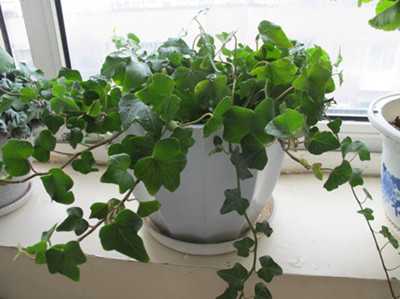
What to do about small flying insects in the flower soil? A few practical methods to teach you
Summer is here, and some flower growers have noticed a lot of small flying insects around their flower pots, which is very annoying. They do not know what to do about small flying insects in the flower soil. Flower growers have summed up quite a few methods for eliminating small flying insects, and this article lists them one by one for flower growers' reference. Method one for eliminating small flying insects: soak orange peel in water and leave it in the sun for 3 days
-
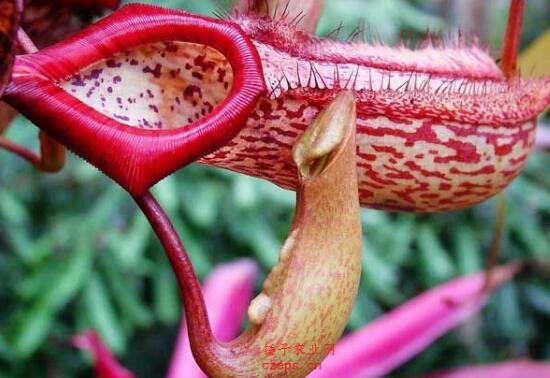
Why does the pitcher plant eat insects? Watch this video of it catching mosquitoes as nutrients
In many people's minds, animals eat plants, but amazing nature overturns all of this, because there exist plants that eat animals, and that is the pitcher plant. As a mosquito-repelling plant, the pitcher plant can prey on mosquitoes, flies and other small insects, which many people probably know. So why does the pitcher plant eat insects?
-

Why does the Venus flytrap move, and will a Venus flytrap die if it doesn't eat insects? The moving video is very satisfying
When it comes to the Venus flytrap, everyone knows it is a plant that can repel mosquitoes, but unlike mosquito-repellent geranium and night-blooming jasmine, which use fragrance to repel mosquitoes and insects, the Venus flytrap uses its large traps to snap insects to death. This raises a question: why does the Venus flytrap move? It is quite normal for a Venus flytrap to eat insects
-
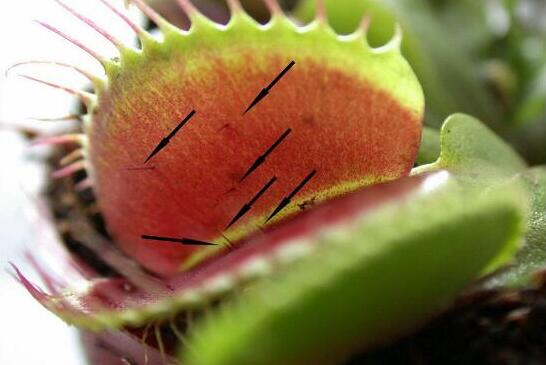
How to fertilize a Venus flytrap? Once every 15 days during the growing season, and feed it only live insects
As a plant that can repel mosquitoes, when kept indoors, the Venus flytrap eats insects to supplement its nutrients. However, the carcasses left after the Venus flytrap finishes eating insects inevitably hurt its appearance and can also cause hygiene problems, so it is better to provide nutrients to the Venus flytrap through fertilization. So how do you fertilize a Venus flytrap?
-
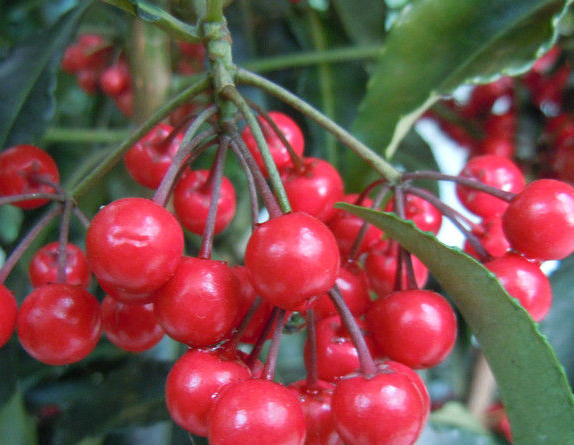
How do you treat insects with waxy hard shells on the leaves of coral ardisia (Ardisia crenata)?
This is an infestation by scale insects. The main control measure should be chemical treatment; you can use specific insecticides such as methidathion, chlorpyrifos, Guoguang Jie Bisi, etc., which are highly effective, as ordinary insecticides struggle to penetrate their waxy layer to take effect. If the infestation is heavy, spray 2 times to completely eliminate them. You can also scrape or brush them off manually.
-

How to control scale insects on flowers? These methods are very practical
Almost all flowers are susceptible to scale insect damage, and there are many species, commonly including red wax scale, globular scale, horned wax scale, cottony cushion scale, arrowhead scale, white peach scale, cactus scale, bamboo flat mealybug, and others. Scale insects often gather on branches, leaves, flowers, and fruits; adults and nymphs insert their specialized mouthparts into the flower tissue to suck sap
-
What to Do When a Ponytail Palm Gets Pests? Pest and Disease Identification and Treatment Methods
What to do when a ponytail palm gets pests? This article covers the symptom identification and control methods for the three major pests of ponytail palm - scale insects, plant bugs and whiteflies - as well as leaf spot disease. Spraying with a 1500x dilution of 40% omethoate and other agents, once every 7-10 days for 2-3 consecutive applications, can effectively solve the problem.
-
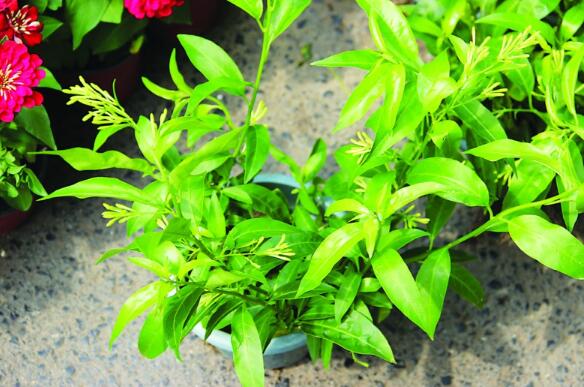
How to get rid of insects on night-blooming jasmine? For pest and disease control, dichlorvos can be used to kill them
Night-blooming jasmine (Cestrum nocturnum), a flower that blooms at night and is deeply loved by people, is grown in the homes of many flower enthusiasts. However, problems inevitably arise during cultivation, such as insect infestations. So how do you get rid of insects on night-blooming jasmine? Diseases and pests are the main factors threatening the growth of night-blooming jasmine
-
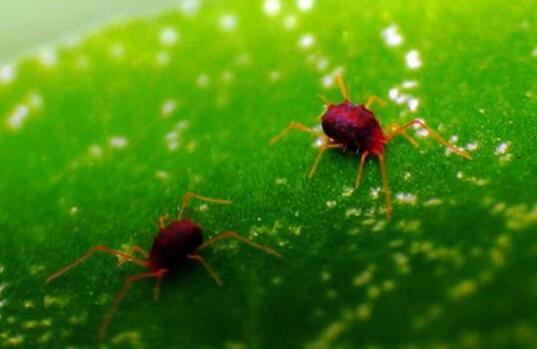
Dracaena pest and disease control: red spider mites, scale insects and black spot disease - prevention is key
Dracaena is quite sensitive to environmental changes. Sometimes improper cultivation methods can trigger pest and disease problems, causing leaves to turn yellow, wilt and drop, which greatly distresses plant lovers. So what should you do when Dracaena is affected by pests and diseases? Let's look at Dracaena pest and disease control methods.
-
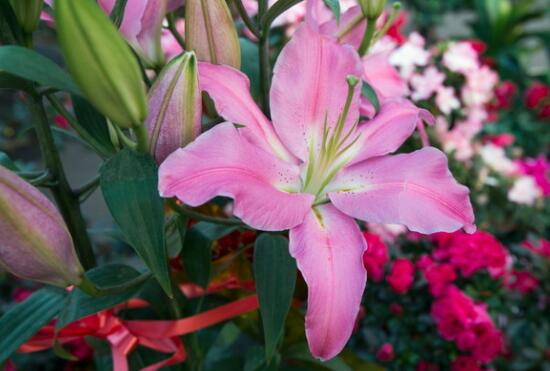
What to do when your Oriental lily gets bugs? Pest and disease control: you can pick off the insects with a toothpick
The Oriental lily is the queen among lilies, and because of its beautiful appearance it is welcomed and loved by a great many flower lovers. However, if it suffers from pests and diseases, the beauty of the Oriental lily will be gone forever, and by then flower lovers are sure to be anxious! So what should you do when your Oriental lily gets bugs?
条件筛选