-
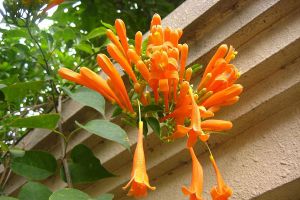
What to Do When the Firecracker Vine Drops Its Leaves? Causes and Solutions
The firecracker vine, also called yellow eel vine, is a type of climbing plant, and its flowering period can last more than half a year. The flowering period begins in January. The flowers are red and arranged in strings, and when they are all in full bloom, they really look like strings of firecrackers after being lit, which is how the plant got its name. Below is an introduction to how to handle it when it drops leaves.
-

Judging the Causes of Orchid Bud Blast and How to Prevent and Treat It
Growing orchids, there are only 3 joys in a whole year: lots of new shoots in spring; lots of flower buds in autumn; lots of blooms the following year. But we often find that some flower buds turn black, shrivel and drop as they grow. How can orchid bud blast be prevented? Through years of practical observation in growing orchids, the author has found that orchids...
-
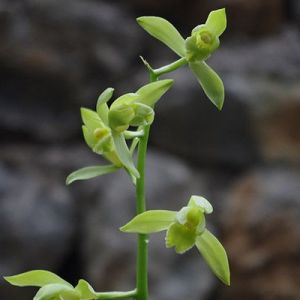
What are the main causes of tip burn on orchid leaves?
Its elegant leaf posture, fresh flower appearance, and captivating fragrance earned it the name Ruyu. This plant has a medium-short leaf type with arching, drooping leaves. The flowers are large and held well above the foliage, with a rich and lingering fragrance. The side petals form a shallow spoon shape, and the lip is large and flawless, held prominently above the leaves.
-
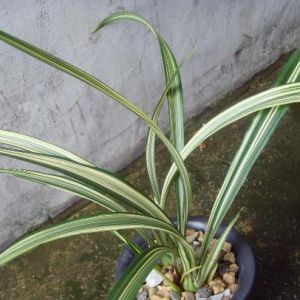
Detailed Guide to Orchid Potting Media and Fertilizer Use
Aiguo is a variety from the early striped-leaf (zhongban) type in Taiwan, China. Its characteristic is that the striped pattern shows first, and after the plant matures the white stripe pattern carries moss-like markings. It is the representative of this type, and later this kind of striped-leaf variety was commonly called Aiguo-type, such as Ruiyu, referring to the standard striped-leaf type.
-
An Introduction to Yixiang Soil and a Detailed Guide to Its Use
I suppose many orchid enthusiasts have gone up into the mountains to dig or gather orchids, right? So have you noticed where the most luxuriant orchids grow? If you observe carefully, you will find that they grow in places where the vegetation is thickest, loosest and most fertile. So what is vegetation? Vegetation is the thick layer formed by fallen leaves piling up...
-
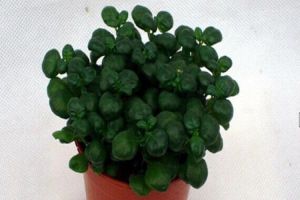
What to Do When the Leaves of a Money Tree (Pachira aquatica) Droop? Find the Cause and Fix It in Time
A friend's plant of this kind started growing leaves this spring. The leaves at the bottom are all new and look full of life, but the other leaves have stayed limp and drooping, and their color is rather pale and they are not thick enough. What on earth is going on?
-
Main Causes of Rotten Shoots and Soft Rot and Their Prevention and Control Methods
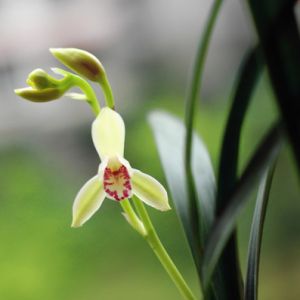
A variety bred by Tianlong Orchid Garden, with short and round outer petals, thick and soft, tender yellow color, plain and clean, with good contrast between petals, tongue, and stem. Thick leaves, rich fragrance, elegant and graceful.
-
Orchids return to ordinary households, no longer a hobby for the few
After the frenzy of orchid speculation, people's understanding of orchids has gradually become more rational, and with some speculators pulling out of the orchid market, prices in the orchid market have settled back to modest levels. However, whether ordinary consumers or orchid traders, all believe that today's orchid market is the normal, healthy flower market. Having gone through orchid...
-
What causes empty roots in orchids? Cause analysis and solutions
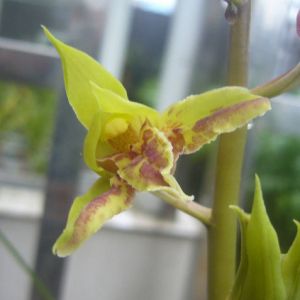
A new red-flowered Cymbidium (Hui orchid) variety with petaloid side lobes, from Guilin, Guangxi. Guilin produces Cymbidium, but good flowers rarely appear there, so producing this butterfly form is truly rare and commendable.
-
How to distinguish resold orchids, greenhouse orchids, and hormone-treated orchids
Only orchids cultivated by Zhu Dayong in a simulated natural environment of the place of origin are good orchids. How to distinguish resold orchids, greenhouse orchids, and hormone-treated orchids: The difference with greenhouse orchids: the roots of greenhouse orchids have no root nodes. Orchids cultivated in a simulated natural environment of the place of origin have a characteristic: for about four months in winter they have no crystal tips, and when new crystal tips grow again the following year there will be obvious joints.
条件筛选