-

-
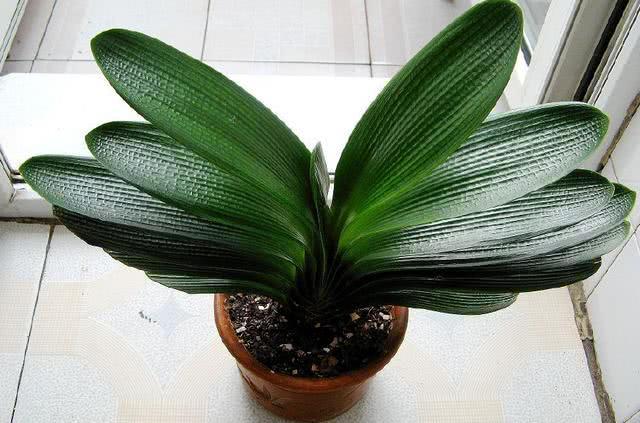
Don't throw away these two kinds of fruit peel after eating; use them as fertilizer, simple and not wasteful
Indoor plants often develop yellow leaves and root rot. Yellow leaves are relatively easy to save, but root rot is the most serious situation, and once root rot appears, yellow leaves will follow one after another. To reduce root rot, you have to start with the soil. Soil...
-
-
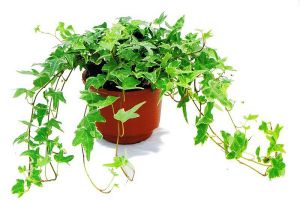
What to Do About Ivy Root Rot? Find the Cause and Treat It Accordingly
How should you deal with ivy root rot? First, we need to find the specific cause, and then adopt different methods to solve it according to the specific situation. If it is root rot caused by too much water, then we need to put it in a bright place to let the water evaporate, or help it recover by changing the soil; if it is because the flower fertilizer applied was not fully decomposed, then we can add some substances to neutralize these fertilizers.
-

New Director-General of the Bureau of Animal and Plant Health Inspection and Quarantine Feng Haidong: Halving pesticide use in ten years requires changing farmers' minds
[Exclusive Interview] Is halving pesticide use in ten years possible? New Director-General of the Bureau of Animal and Plant Health Inspection and Quarantine Feng Haidong: It requires changing farmers' minds
-
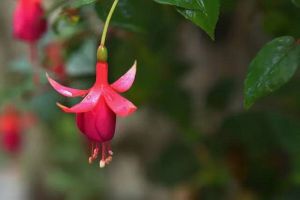
Fuchsia dropping leaves: causes and solutions
Flowers with a rather unusual look, like a rustic village beauty, are much loved by everyone, and this flower is no exception. But many people notice it dropping leaves when they grow it and do not know how to solve the problem. Actually it is very simple: first we need to determine the cause of the leaf drop. If it is due to an unsuitable temperature, adjust it to between 15°C and 25°C. If there is too much water, pour it out promptly. If the light is too strong, move it to a shady spot. If it lacks nutrients, fertilize it promptly.
-
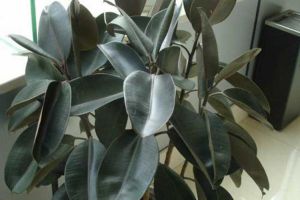
What to do if the rubber plant's leaves are wilting? Causes and remedies
Rubber plants (Ficus elastica) are very popular to grow right now, because they stay evergreen all year round and have an attractive shape. However, sometimes their leaves wilt, so what should you do about it? First we need to find out what is causing the problem, then deal with it according to the specific situation: if it has just been repotted, it may be a normal phenomenon, so put it in a shaded spot and it will soon recover on its own; if the fertilizer was used improperly, then take care to avoid raw fertilizer and concentrated fertilizer in the future; if there is too much water, then change the pot and the soil, and if there is too little water, then replenish it in time.
-
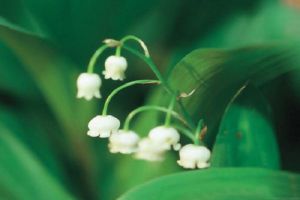
What to Do About Root Rot in Lily of the Valley? Cause Analysis and Solutions
Root rot is a common problem for lily of the valley (Convallaria majalis). How should you deal with it? It is actually not difficult. First, find the cause: if there is too much water, drain it promptly; if there is too much fertilizer, neutralize it promptly; if the situation is relatively serious, just repot it, cut off the rotted roots, then disinfect them, and plant it in fresh potting soil. However, if the situation is very serious and most of the roots have rotted away, it basically cannot be saved.
-

Behind Seafood Lies Modern Fishing Slavery; Taiwan Government Accused of Letting Fishermen Be Exploited
The Hideous Face Behind Seafood: Modern Fishing Slaves Trapped in the Net | Taiwan Government Accused of Inaction, Structural Exploitation of Fishermen on the Ocean
-

What to Do If the Leaves of a Ginseng Ficus Turn Black? Causes and Solutions
There are many reasons why its leaves turn black, but the main one is that we usually do not give it a good enough growing environment, mismanaging light, temperature, water and so on. In general, as long as we improve its growing conditions and promptly provide what it needs, it can slowly recover.
条件筛选