-

What are the culinary uses of Gastrodia elata? Read this article to find out
Gastrodia elata not only has high medicinal value, but also has considerable value as a medicinal dish, health tonic, nourishing food and edible ingredient. In folk practice, Gastrodia elata is commonly used to steam eggs, boil eggs, cook pig brain, steam sheep brain, steam pork, stew chicken, roast duck and so on. Its features are: convenient to eat, pleasant in taste, rich in nutrients and unique in flavor. It satisfies people's enjoyment of tasting Gastrodia elata while also strengthening the body, resisting wind and cold, and can also treat dizziness, migraine and tension headache, high blood pressure and many other conditions. Through centuries of practice and recent years of research and development, dishes using Gastrodia
-
What to do about premature senescence in high-density drip-irrigated cotton? Main causes and preventive measures
I. Main causes of premature senescence in high-density cotton planting 1. Variety factors Varieties are not resistant to premature senescence. In recent years there have been many cotton varieties; some have aged and degenerated, and some are inherently poor in disease resistance and premature senescence resistance, or are unsuitable for high-density planting, leading to premature senescence in cotton. 2. Environmental factors ① Temperature For mid-early maturing cotton, the suitable sowing period is when the 5 cm soil temperature stably passes 12°C. If sowing is too early or the seedling stage encounters low-temperature chilling injury, because the air temperature is relatively low, root growth is slow and diseases are severe, which easily damages the cotton root system function, thereby
-
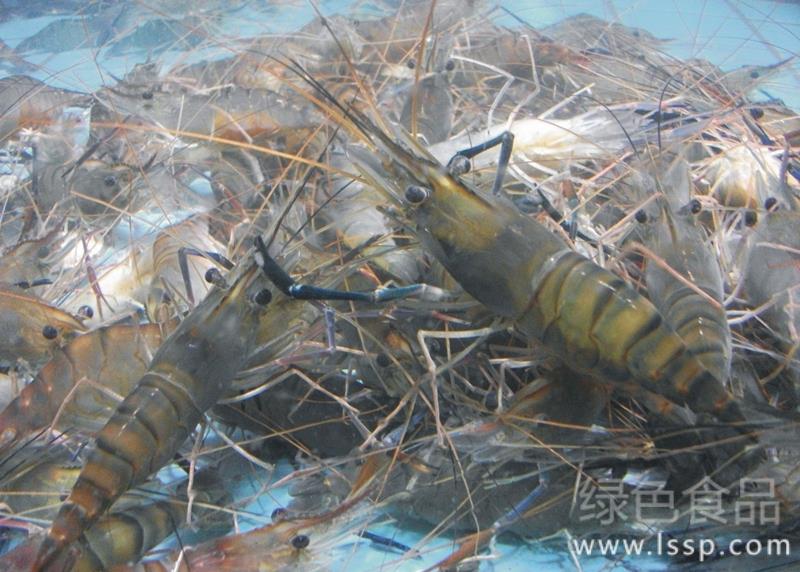
Red body disease in freshwater shrimp (Macrobrachium nipponense) causes explosive mortality - how can it be scientifically prevented and treated?
Red body disease causes explosive mortality in freshwater shrimp - how to prevent and treat red body disease in freshwater shrimp
-
Introduction to New Gieling (Benzalkonium Bromide), a Commonly Used Clinical Drug for Geese
Properties: This product is a colorless or light yellow clear liquid, easily soluble in water; its aqueous solution is stable, heat-resistant, and can be stored for a long time without losing potency; it has no corrosive effect on metal, rubber, or plastic products. Actions and uses: This product belongs to the quaternary ammonium cationic surfactant class; it has a cleaning and decontaminating effect, and can also adsorb onto the surface of bacteria, changing the permeability of the bacterial cytoplasmic membrane, affecting bacterial metabolism, and denaturing bacterial proteins, thereby producing a bactericidal effect. This product has a relatively broad antibacterial spectrum and can kill a variety of Gram-positive and Gram-negative bacteria. However, its bactericidal effect on Gram-positive bacteria
-
Detailed Explanation of Key Technical Points for Greenhouse Tea Plant Cultivation and Management
Covering tea gardens with plastic greenhouses is an important cultivation and management technique for advancing the harvest time of famous premium tea, improving quality, and significantly increasing economic benefits. The main function of the greenhouse is to preserve heat and prevent frost and freezing damage. Generally, the film is erected and covered from late October to late December of the previous year before frost arrives, and can be uncovered in early to mid-April of the following year. Greenhouse environment management: the temperature most suitable for tea growth inside the greenhouse is 20°C-25°C, with the maximum not exceeding 30°C and the minimum not falling below 8°C. On sunny days at noon, the temperature inside the greenhouse may exceed 30°C, and at this time the door must be opened
-
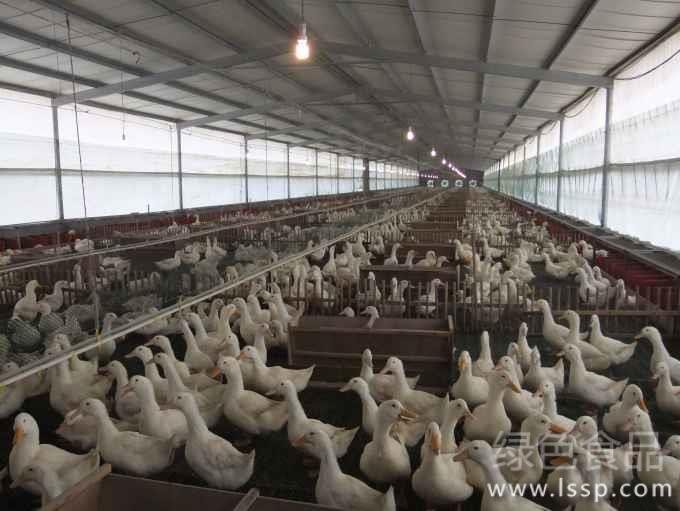
Raising Ducks on Greenhouse Frames: Fewer Diseases, Higher Profits, and a Detailed Guide to the Farming Method
Raising Ducks on Frames in Greenhouses: Fewer Diseases, Higher Profits - How to Raise Ducks on Greenhouse Frames
-
Why do pigs grind their teeth? The main causes are these
1. Single feed and malnutrition. It is best to feed pigs compound feed. When feeding concentrated feed, it should be paired with green and coarse feed, and minerals and trace elements should be added in appropriate amounts. For example, adding 1%-2% mineral feed to the pig's diet, such as bone meal, calcium hydrogen phosphate, eggshell powder, etc., and adding 0.25%-0.5% salt, etc., has a certain effect on preventing pigs from grinding their teeth. 2. Chronic indigestion in pigs. For pigs with indigestion, the stomach should be strengthened and appetite stimulated. For pigs weighing more than 10 kg, use 0.3 g
-
Main Causes of Non-Disease Death in Koi and How to Solve Them
I. Water Quality Problems Currently, household koi keeping mainly uses tap water. In some areas, the source water for tap water is of poor quality, and water plants use large amounts of disinfectants and cleaning agents during treatment. After a water change, the fish cannot adapt and become poisoned, which is why water treatment steps such as sunning and aerating the water before a change are necessary. Chlorine in the water is the main cause of fish poisoning. During water changes, a gradual step-by-step method should be used as much as possible, completing the change in several stages, and an appropriate amount of sodium thiosulfate should be added to remove residual chlorine from the water.
-
How to control onion maggots in garlic? You can use 48% Lorsban
Reader Yuan Yong from Group 2, Jixing Village, Tongshang Town, Dafeng City, Jiangsu Province, wrote in to say that in 2005, onion maggots broke out severely in local garlic fields. Digging up 1 garlic plant revealed 6 to 8 maggots in the root and stem, causing some fields to suffer almost total crop loss. Many garlic farmers were extremely anxious and hoped we could ask experts to provide a solution. On this issue, we consulted relevant experts at the Plant Protection Station of the Jiangsu Provincial Department of Agriculture and Forestry. The experts said that the onion fly, also called onion maggot or garlic maggot, belongs to the order Diptera, family Anthomyiidae, and is a common pest on Welsh onions. In mild cases, it reduces yield by 10% to 20%; in severe cases, by more than 30%,
-
Summary of Experimental Trials on Delayed Cultivation Techniques for Hongxue Peach in Plastic Greenhouses
Hongxue peach is an extremely late-maturing peach variety. When cultivated in the open field in our county, the fruit is difficult to ripen due to late-autumn rainfall and frost. Therefore, starting in 2001, we conducted delayed cultivation trials in plastic greenhouses using technical measures such as early promotion followed by later control, delayed flowering, bagging to protect against rain, and covering the greenhouse to regulate temperature, prevent frost, and protect leaves. The results showed that facility-grown Hongxue peach bore fruit in the second year after planting, entered full production in the third year, could delay fruit ripening by about 20 days, and markedly improved fruit maturity and the rate of high-quality fruit.
条件筛选