What is the best time to spray pesticides in summer?
Pesticide use is the most common thing when we carry out planting production. When we spray pesticides, we must pay special attention to the spraying time, because the spraying time has a great relationship with the control effect of the pesticide. The spraying time should be reasonably adjusted according to the changes of the seasons, and special attention should be paid in summer. So when should pesticides be sprayed in summer? Below, the editor brings you the best time to spray pesticides in summer, let's take a look!
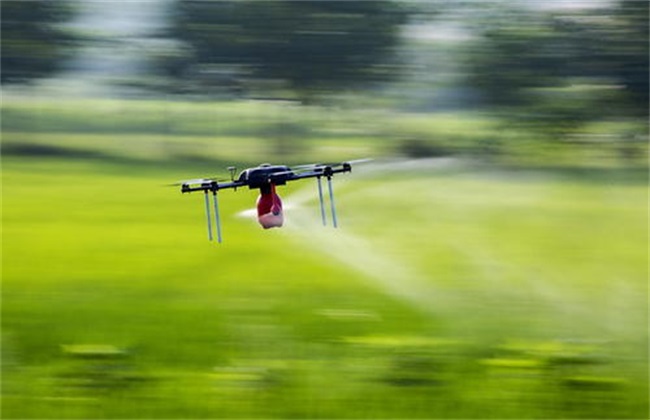
1. Spraying time
Many people like to spray pesticides at noon in summer. They think that the temperature at noon is relatively high, and pests are easily killed, but this is actually wrong. Because at noon, not only is the temperature high, but the light is also very strong. Pests generally hide inside the stems and fruits of the plants, making it difficult to control them thoroughly. Moreover, the temperature at noon is high, and after the pesticide is sprayed, it is easily decomposed and volatilized, failing to achieve the ideal control effect. What's more, after the pesticide volatilizes, if the gas is inhaled into the human body, it can very easily cause human poisoning.
Therefore, when spraying pesticides in summer, regardless of whether the crops grown are grain, vegetables or fruits, the best time should be around 9 a.m. At this time, the dew gradually dries up, and the temperature is not very high. It is also the time when various pests come out to forage and are most active. So if pesticides are sprayed at this time, they will not be washed off by dew, nor will they be evaporated and decomposed due to excessively high temperatures, which would reduce the efficacy of the pesticide. Instead, it can also increase the chance of pests coming into contact with the pesticide. Or spray after 5 p.m., when nocturnal pests begin their activity stage, so that nocturnal pests can be killed.
2. Precautions
1. Pesticide solution concentration
When spraying pesticides, many farmers, in order to improve the control effect of the pesticide, choose to increase the amount of pesticide used and reduce the dilution of the pesticide. This leads to an increase in the concentration of the pesticide solution, and it is still the same in summer. And because in a high-light and high-temperature environment, the water evaporation rate is very fast, if the concentration is too high, it can very easily cause the crop leaves to suffer pesticide damage and develop phytotoxicity. Then attention should be paid to selecting good pesticide varieties, mainly pesticides with strong quick-acting and systemic properties. For example, dichlorvos, procymidone, etc., can kill pests about two hours after use.
2. Safe interval period for spraying
When spraying pesticides, we should also pay attention to determining the safe interval period for pesticide spraying according to the toxicity of the pesticide. Usually, the residual effect period of highly toxic pesticides can reach as long as one month. And if it is a low-toxicity pesticide, then it is generally only about one week. Therefore, whether it is grain or fruit-bearing crops, attention should be paid to standardizing pesticide use before harvest to avoid poisoning of humans and livestock. And when using pesticides in summer, even more sufficient water should be added for dilution. When spraying, the sprayer should not be filled too full, and the lid should be tightly closed to prevent the pesticide solution from splashing onto the body and causing personnel poisoning.
The above is a brief introduction to the best time to spray pesticides in summer. That's all for today's introduction. This article is for reference only, and I hope it can help everyone!