-
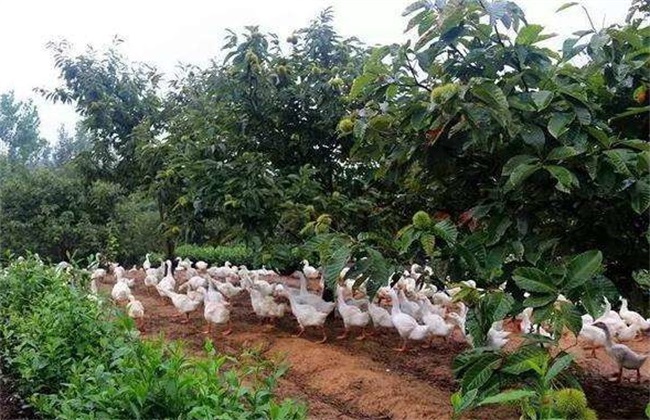
What are the technical key points for raising ducks in orchards?
Technical key points for raising ducks in orchards
-

How to control insect and mite pests in citrus orchards? Rotenone-cypermethrin EC is the first choice
Spring returns to the earth, and the citrus orchard has also put out tender green spring shoots, full of vitality. However, as long as you observe carefully, after the long winter rest, insect, mite and disease damage in the citrus orchard is also quite serious. According to our field observations, the pests currently occurring in citrus orchards include scale insects, aphids and various whiteflies, and the harmful mites include red spiders and rust mites, etc.; in addition, sooty mold disease in ordinary citrus orchards is also quite serious. Control should be carried out early, so as to treat it early, treat it when there is little, and treat it until it is gone. Red spiders, rust mites, scale insects and various whiteflies are all tiny pests with strong resistance that have given people headaches in recent years.
-
How to control the citrus black scale in orange orchards? The pure yellow aphelinid wasp comes to the rescue
[Morphological characteristics] Female wasp body length 0.92-1.18 mm, yellow, without color spots. The posterior margin of the scutellum has dark brown stripes. The base of the forewing has short black stripes; the ventral side of the antennal scape is dark brown, and the remaining segments are deep fuscous. Legs yellow. Compound eyes with fine hairs. Thoracic hairs thick and black; the scutellum bears 4 hairs; the forewing is 2.25 times as long as wide; the ovipositor is 1.9-2.01 times the length of the middle tibia. Male wasp body length 0.71-0.92 mm; the forewing is wider than that of the female, 2.2-2.33 times as long as wide. Important differences from Aphytis chrysomphali: the pure yellow aphelinid wasp of the citrus black scale is a bisexual species, and the propodeum is shorter, 0.75-0.8 times the length of the scutellum. The fan-shaped projections are large and elongated. Strongly overlapping; the thorax and venter of the mature pupa are dark brown, with only the abdominal tip lighter in color. Aphytis chrysomphali is a unisexual species, with males rarely seen in nature; the propodeum is longer, equal to or slightly longer than the scutellum. The posterior margin is broadly arched; the fan-shaped projections are small, rounded, and not overlapping. The mature pupa is yellow, with only a single black longitudinal line on the mesothoracic ventrite.
-
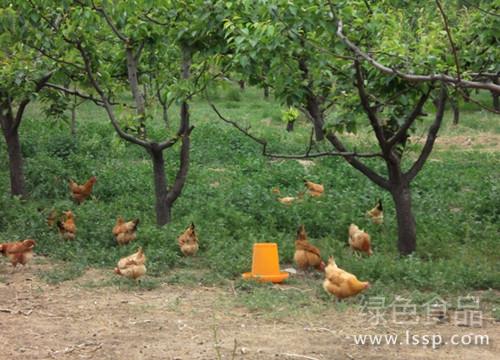
Raising chickens in orchards requires attention to supplementary feeding, disease prevention, rodent control and density management
Supplementary feeding, disease prevention, rodent control and density: points to note when raising chickens in orchards
-
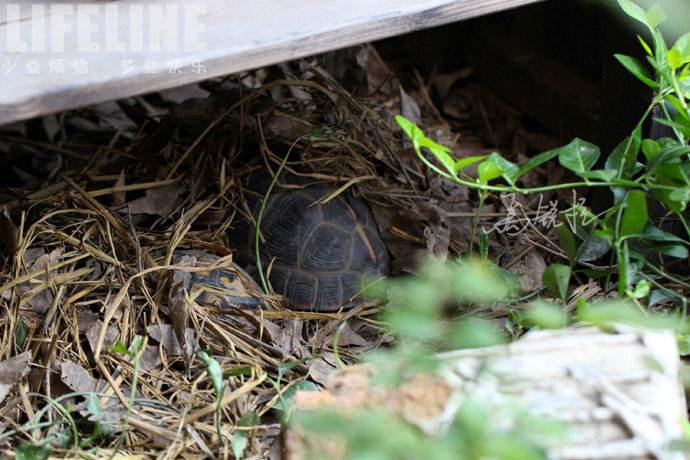
Key Technical Points and Detailed Breeding Methods for Raising Turtles in Orchards
Techniques for Raising Turtles in Orchards
条件筛选