-

High returns from intercropping mushroom cultivation in citrus orchards
The author succeeded in growing mushrooms between the rows of a densely-canopied citrus orchard, achieving a double harvest of both citrus and mushrooms. Large-scale promotion has shown that generally each mu of orchard produces more than 3000 kg of citrus per year, worth 4000 yuan; and 800 kg of fresh mushrooms, worth 3200 yuan. After deducting production costs of 1500 yuan, the total net income is more than 5700 yuan, which is more than 2000 yuan higher than growing citrus alone. Intercropping mushrooms in the orchard also helps to increase humidity, retain warmth and improve the soil. 1 Raw material preparation Each mu requires 1500 kg of dry wheat straw (rice straw or sawdust may also be used), 20 kg of lime and 15 kg of urea
-
Key Cultivation Techniques for Interplanting Oyster Mushrooms in Pear Orchards
After the pears are harvested, the pear orchard has a relatively long fallow period. Using the empty rows between pear trees to grow one season of oyster mushrooms can yield good returns. 1. Choosing the bed site: It is best to choose a pear orchard relatively close to the village, with good soil quality, convenient irrigation and drainage, and smooth transportation. 2. Carefully preparing the beds: The mushroom beds are 8-10 m long and 1.2 m wide. The bed soil should be plowed 15-20 cm deep and carefully prepared so that the soil is loose and free of weeds, loose on top and firm below, forming a ball when squeezed by hand and breaking apart when dropped on the ground. Build a ridge 4-5 cm high around the bed surface to conserve moisture. After the mushroom beds are prepared, dig drainage
-
Benefits and Cultivation Techniques of Interplanting Oyster Mushrooms in Pear Orchards
After the pear trees are harvested, the pear orchard has a fairly long idle period. Using the empty rows between the pear trees to grow a season of oyster mushrooms can yield good economic, ecological and social benefits. A seedbed of about 10 sq m can produce more than 100 kg of oyster mushrooms, with an income of more than 200 yuan, requiring little input and giving quick returns; it can also increase fertilizer sources, improve the soil, build up soil fertility and raise the phosphorus and potassium content; at the same time it can kill off winter weeds; and it is beneficial for the pear trees' second autumn root growth. To successfully interplant oyster mushrooms in a pear orchard, the following points of cultivation technique should be mastered. 1. Choosing the bed site
-
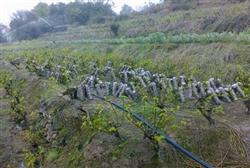
Key Technical Points for Interplanting Black Wood Ear Mushrooms in Orchards
Interplanting black wood ear mushrooms in trenches between orchard rows yields fairly considerable returns. The main cultivation methods are as follows: 1. Stock culture substrate formula: sawdust 78%, rice bran (or wheat bran) 5%, corncob 15%, gypsum powder 1%, sucrose 1%. Weigh each ingredient according to the above proportions. First dissolve the sucrose in water, then stir the sawdust, rice bran and gypsum powder...
条件筛选