-

Reasons and Solutions for Yellowing and Wilting Leaves on Pennywort (Hydrocotyle vulgaris)
Pennywort is considered a relatively easy plant to grow, but even so, there are still some common problems that leave gardeners at a loss, for example, many gardeners growing pennywort encounter the problem of yellowing leaves.
-
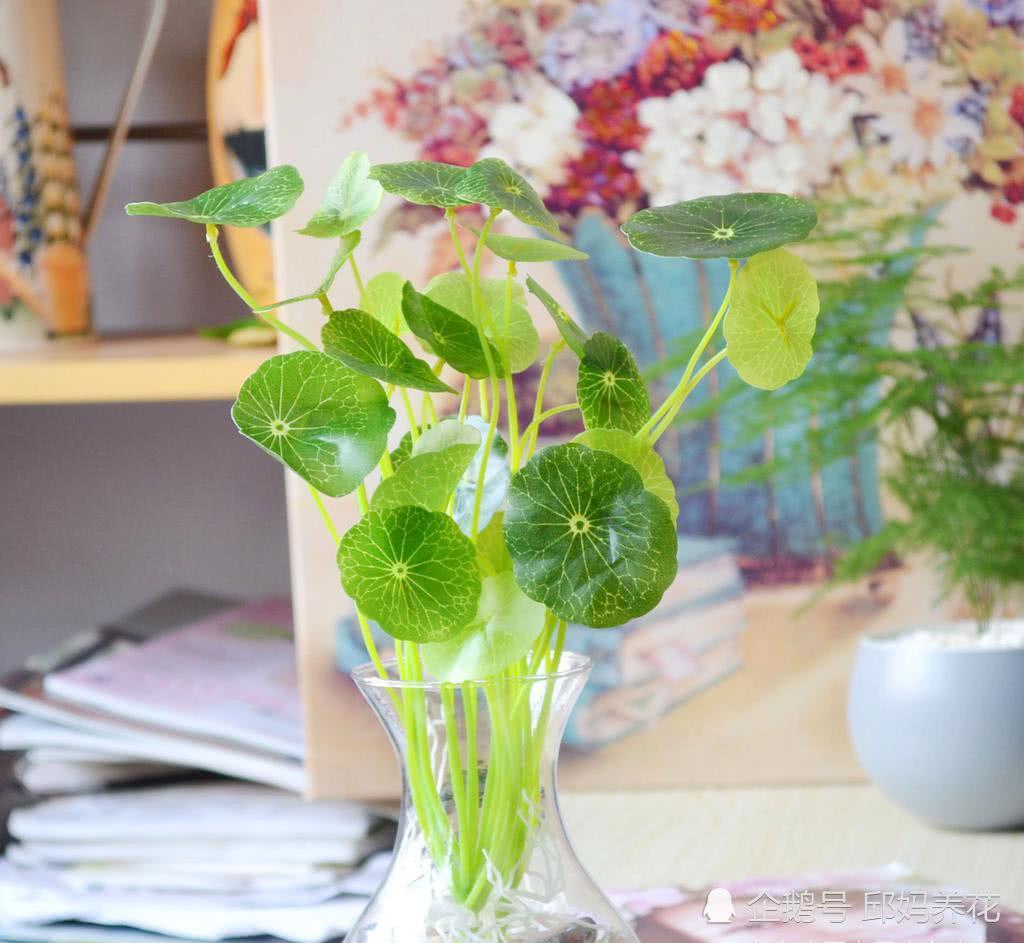
Grow hydroponic pennywort (Hydrocotyle vulgaris) well with these 4 points, and the leaves will be big and round, filling the pot in half a month
Summer is here. Placing a pot of hydroponic pennywort at home feels fresh and clean, and just looking at it brings a good bit of coolness. Everyone knows that growing pennywort is fairly easy; it is basically a species that survives as long as it gets water. Today, Qiu Ma is sharing with you...
-
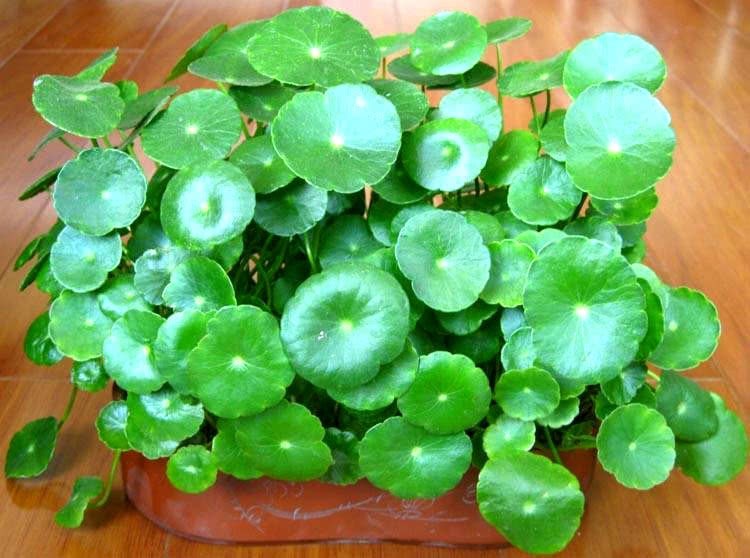
Remember 3 points for the care of pennywort (Hydrocotyle vulgaris): round, glossy green leaves and easy bursting pots
The leaves of pennywort are round and smooth, glossy, and evergreen. It is easy to grow and easily fills its pot. It looks great as an accent on windowsills, balconies, tea tables and desks. If you want pennywort to stay green and evergreen all year round without turning yellow...
-
What are the cultivation methods and precautions for pennywort (Hydrocotyle vulgaris)?
For growing pennywort, it is best to use loose soil with good water retention, and apply fertilizer once every 15-20 days during its peak growing season. It likes to grow in a moist environment, so water it appropriately and give it a growing environment of 10-25°C. It can be propagated by division. It rarely suffers from pests and diseases, and when it grows too densely it should be pruned in time.
-
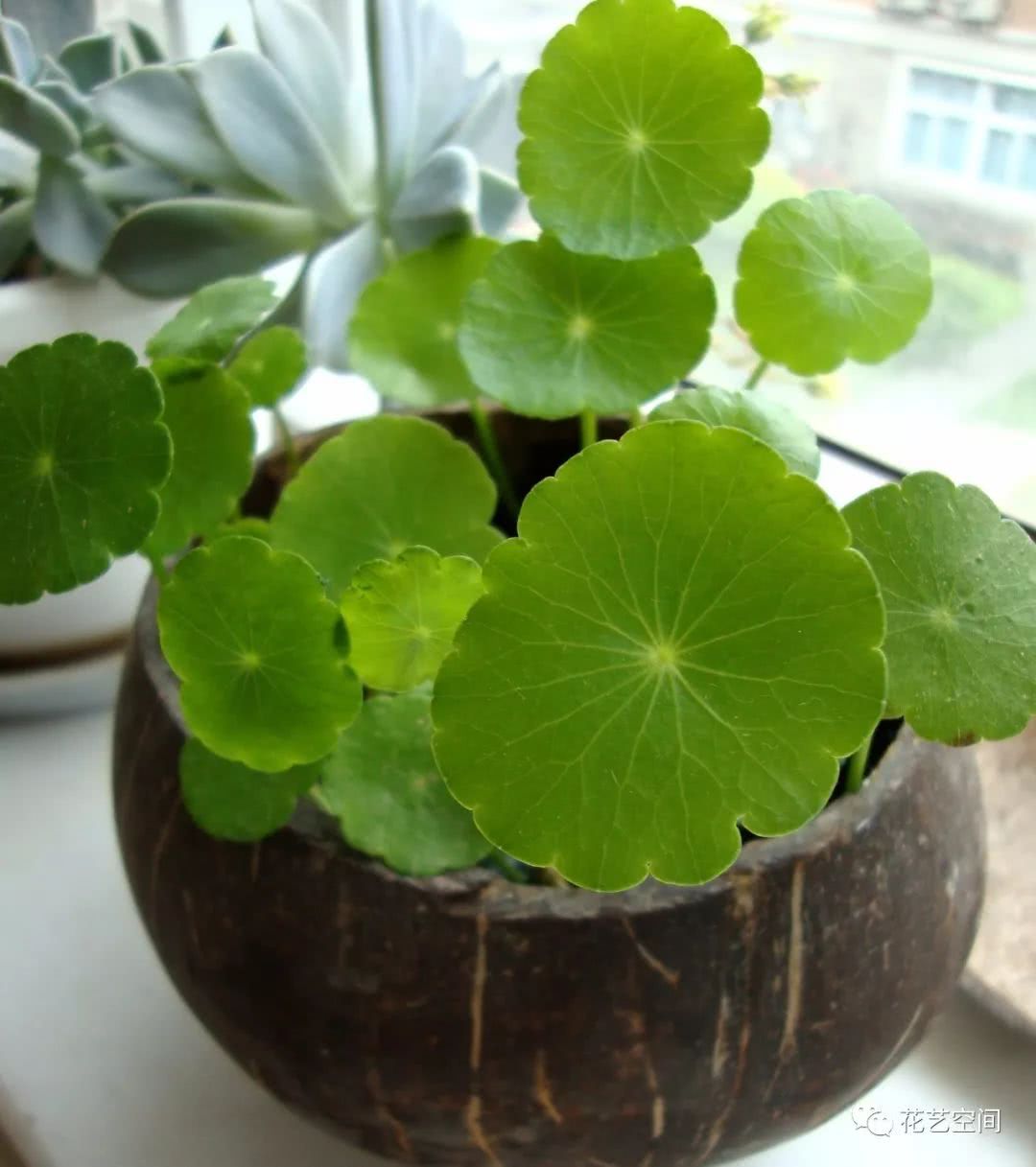
How to grow pennywort (Hydrocotyle vulgaris)? Remember 4 words, and its leaves will be round, glossy, and as big as lotus leaves
Do you like pennywort (Hydrocotyle vulgaris), fellow flower lovers? Its leaves are round and glossy, like little copper coins, evergreen all year round, and highly ornamental. A small pennywort placed in a study, on a desk, or beside a computer can all create a nice decorative effect. Growing...
-

Pennywort (Pilea peperomioides / Hydrocotyle vulgaris) is great for growing at home, symbolizing rolling wealth
Pennywort has round leaves that look very much like the copper coins of ancient times, and its name contains the characters "copper" and "coin" - because ancient coins were made of copper, pennywort is regarded in plant feng shui as a symbol of gathering wealth and fortune...
-
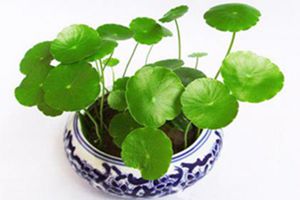
What is the difference between pennywort (Hydrocotyle) and Lysimachia? A quick guide to tell them apart
In terms of family and genus, the former belongs to the Apiaceae family, while the latter belongs to the Primulaceae family. In terms of growing environment, the former prefers moist, water-rich conditions, while the latter prefers regions with moderate temperatures and high humidity. In terms of appearance, the former looks like a broken umbrella, while the latter looks like ancient Chinese copper coins. In terms of growth habits, the former can grow both in water and on land, while the latter prefers water-rich areas. In terms of medicinal effects, the former is more effective against conditions like eczema, while the latter can treat malaria and other ailments, and can also be applied externally.
-
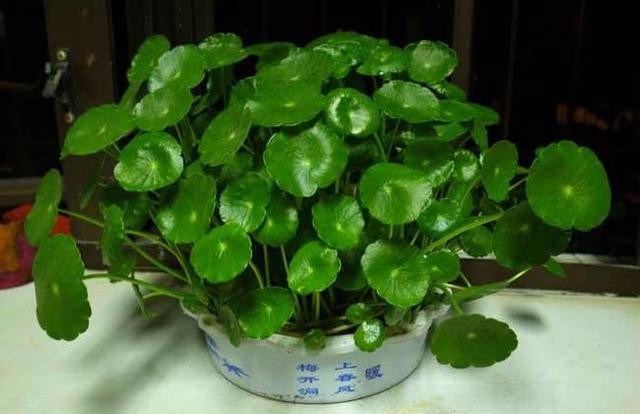
Grow copper coin grass (Hydrocotyle vulgaris) with these few simple methods, and its leaves will grow as big as lotus leaves, bursting out of a large tank
Copper coin grass has adorable leaves that look like round copper coins, symbolizing wealth rolling in. Many friends like to keep a pot at home or in the office, in any container. It can be grown in water or in soil, making it a versatile potted plant. Copper coin grass...
-
After a succulent pennywort (Hydrocotyle vulgaris) blooms, cut the flowers off promptly, otherwise it will soon wither and die.
Huahua has a friend who painstakingly cared for a succulent, and after it bloomed, before they could enjoy it for even a few days, the whole plant died. How heartbreaking! Actually, besides some succulents, there are quite a few flowers and plants that either die outright after blooming or grow more and more slowly. What's going on? Let Huahua tell you slowly!
-
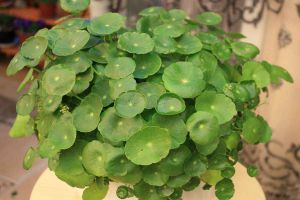
How to prune pennywort (Hydrocotyle)? Detailed pruning methods and steps
Pennywort (Hydrocotyle) is a great plant, and many people choose to grow it. The most direct reason, of course, is that its appearance and name are both very appealing. Besides, it also grows quite fast, but since it grows so fast, how should you prune it?
条件筛选