What is the difference between pennywort (Hydrocotyle) and Lysimachia? A quick guide to tell them apart
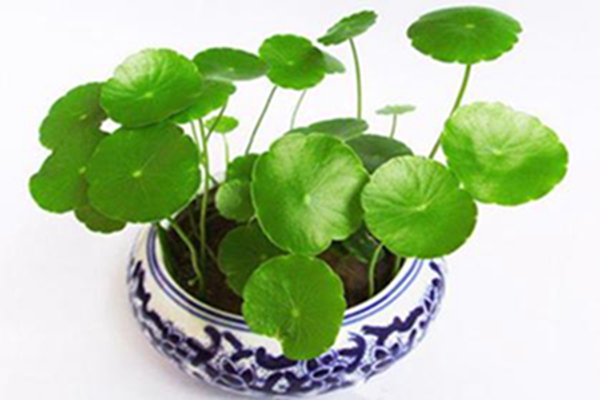
1. Family and Genus
From this aspect, the former is a perennial herbaceous plant belonging to the Apiaceae family, under the subclass Archichlamydeae.
The latter belongs to the Primulaceae family and is also a perennial herbaceous plant, but it is creeping in form. It belongs to the subclass Sympetalae.
2. Growing Environment
The former was introduced from Europe, and it likes to grow by riverbanks or in relatively shady and moist areas.
The latter mainly grows in regions south of the subtropics, prefers water-rich areas, and is widely distributed in China, especially in the southern regions, where it can be found both cultivated and growing wild.
3. Appearance
The shape of the former closely resembles a broken umbrella, and it is fan-shaped, with serrations visible along the leaf edges; the flowers are yellow and also purplish-red.
The shape of the latter more closely resembles the copper coins of ancient China; it is round in shape, with opposite leaves, about 45mm wide, and the flowers are generally yellow.
4. Growth Habits
The former can grow whether in water or on land, and it can survive well in shady, water-rich, or dry environments; it has strong environmental adaptability and reproduces very quickly.
The latter prefers warm, water-rich areas and does not like high temperatures, but it can better withstand low temperatures. 16-24°C is the best temperature for survival. What they have in common is that neither can survive under high temperatures.
5. Medicinal Effects
The entire plant of the former can be used as medicine; it can prevent and treat symptoms like eczema, and it is also very effective for abdominal pain.
The latter can be boiled in water to make a decoction for internal use, or it can be mashed and applied externally. However, it must never be used for abdominal pain. It can also treat venomous snake bites, malaria, and other conditions.