-
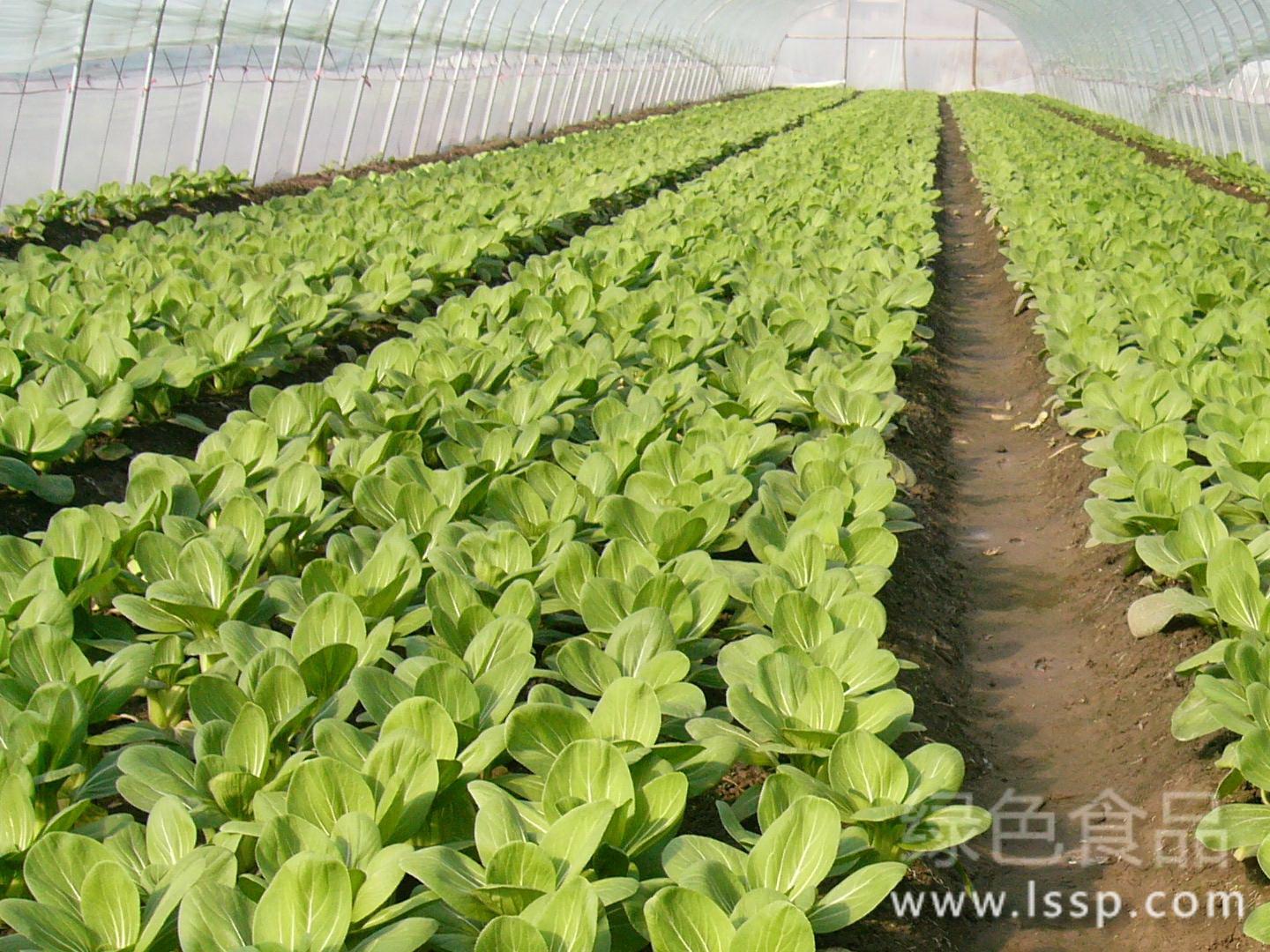
How to reduce excessive humidity in vegetable greenhouses
How to reduce excessive humidity in vegetable greenhouses
-
What is the suitable humidity during the growth and development period of shiitake mushrooms?
What humidity is suitable during the growth and development period of shiitake mushrooms? I would also like experienced readers to help explain. Shiitake mushrooms have long been known as the "king of mountain delicacies" and are a high-protein, low-fat nutritional health food. Shiitake mushrooms have a very high ergosterol content, which is effective in preventing and treating rickets; moreover, lentinan (beta-1,3-glucan) can...
-

Gastrodia elata cultivation techniques: What are the humidity requirements for Gastrodia elata growth?
I've heard that Gastrodia elata has very high humidity requirements. Could you introduce what humidity requirements Gastrodia elata has? For the humidity requirements of Gastrodia elata cultivation, you can refer to the following methods, which may help resolve your questions. In addition to temperature, humidity is also an important factor in the growth of Gastrodia elata. The annual rainfall in Gastrodia elata-producing areas...
-
What are the temperature and humidity requirements for Wine Cap mushroom (Stropharia rugosoannulata) during the mycelium running stage?
What are the temperature and humidity requirements for Wine Cap mushroom (Stropharia rugosoannulata) during the mycelium running stage? Please explain. Regulating temperature and humidity is an important part of cultivation management for Wine Cap mushroom. During the mycelium growth stage, Wine Cap mushroom requires a pile temperature of 22 to 28°C, a moisture content of 70% to 75% in the growing medium, and a relative humidity of 85% to 90% in the air...
-
How do you cultivate straw mushrooms in summer under high temperature and high humidity?
How do you cultivate straw mushrooms in summer under high temperature and high humidity? Please introduce how, during the hot summer season of high temperature and high humidity, idle greenhouses can be used to cultivate straw mushrooms. For site preparation, clean the greenhouse thoroughly, repair the greenhouse film, disinfect the floor and walls, and cover the greenhouse roof with wheat straw. Make beds inside the greenhouse, with a bed surface width of 80 cm and a height of 10 cm...
-
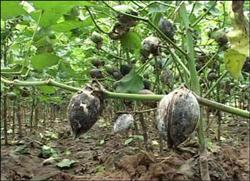
How to prevent and control cotton boll rot? Do this in hot and humid weather
How to prevent and control cotton boll rot in hot and humid conditions? Please explain the methods. Cotton boll rot can be prevented and controlled by referring to the following methods: 1. Rational fertilization: apply more organic fertilizer and phosphorus-potassium fertilizer, apply nitrogen fertilizer in appropriate amounts, prevent excessive vegetative growth of cotton plants, reduce canopy closure in the cotton field, and improve ventilation and light penetration. 2. Timely drainage: for low-lying...
-
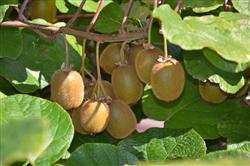
How to prevent and control late blight in kiwifruit during hot and humid weather?
How to prevent and control late blight in kiwifruit during hot and humid weather? Please explain the methods. Kiwifruit late blight is a fungal disease. It rarely occurs during the seedling and mature plant stages of kiwifruit, mainly affecting kiwifruit leaves and fruit, with fruit generally suffering more severe damage. Infected leaves form dark green water-soaked lesions with indistinct edges, which turn brown after expanding...
-
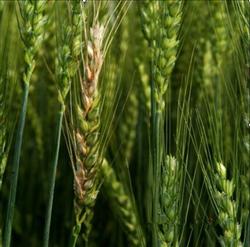
What is the relationship between wheat Fusarium head blight and humidity?
What effect does humidity have on wheat Fusarium head blight? Please give an introduction. The effect of humidity on the occurrence of wheat Fusarium head blight is greater than the effect of temperature. Long periods of continuous high humidity are the primary condition for disease onset. Perithecia can only be produced when the soil surface is wet. According to observations, when the relative humidity at the soil surface reaches above 80%, perithecia...
-
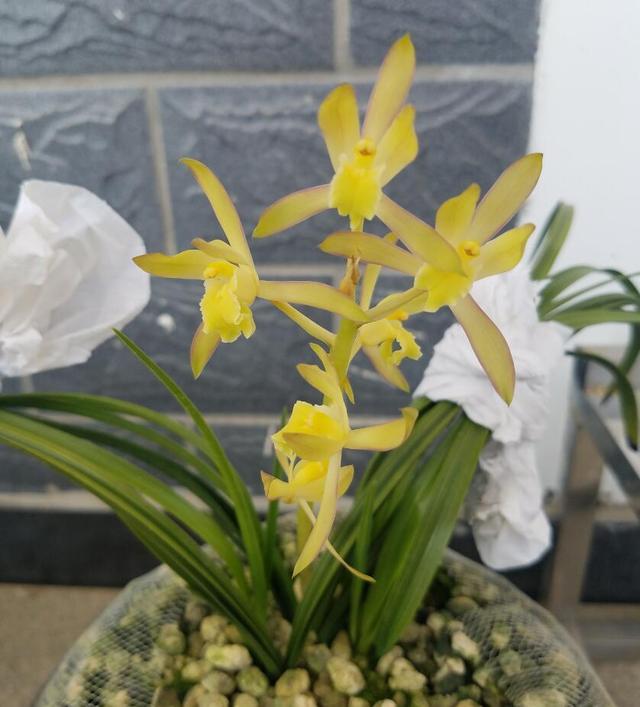
A complete analysis of orchid temperature and humidity, explained most thoroughly in this article
I. The best growing environment for orchids The optimal temperature for orchid growth is 15 °C -25 °C. When the temperature is above 30°C, growth will slow or stop. Orchids grow well when the relative air humidity is 60-70%. Too dry or too wet can easily cause...
-

Humidity for growing orchids is a double-edged sword: use it right and the leaves thrive, use it wrong and everything dies
Environmental humidity is a double-edged sword for growing orchids: use it well and the orchid leaves flourish, use it poorly and the orchid plants die off. Most orchids like a humid environment, there is no doubt about that. The places where we find wild orchids on the mountain are mostly this kind of environment...
条件筛选