How to reduce excessive humidity in vegetable greenhouses
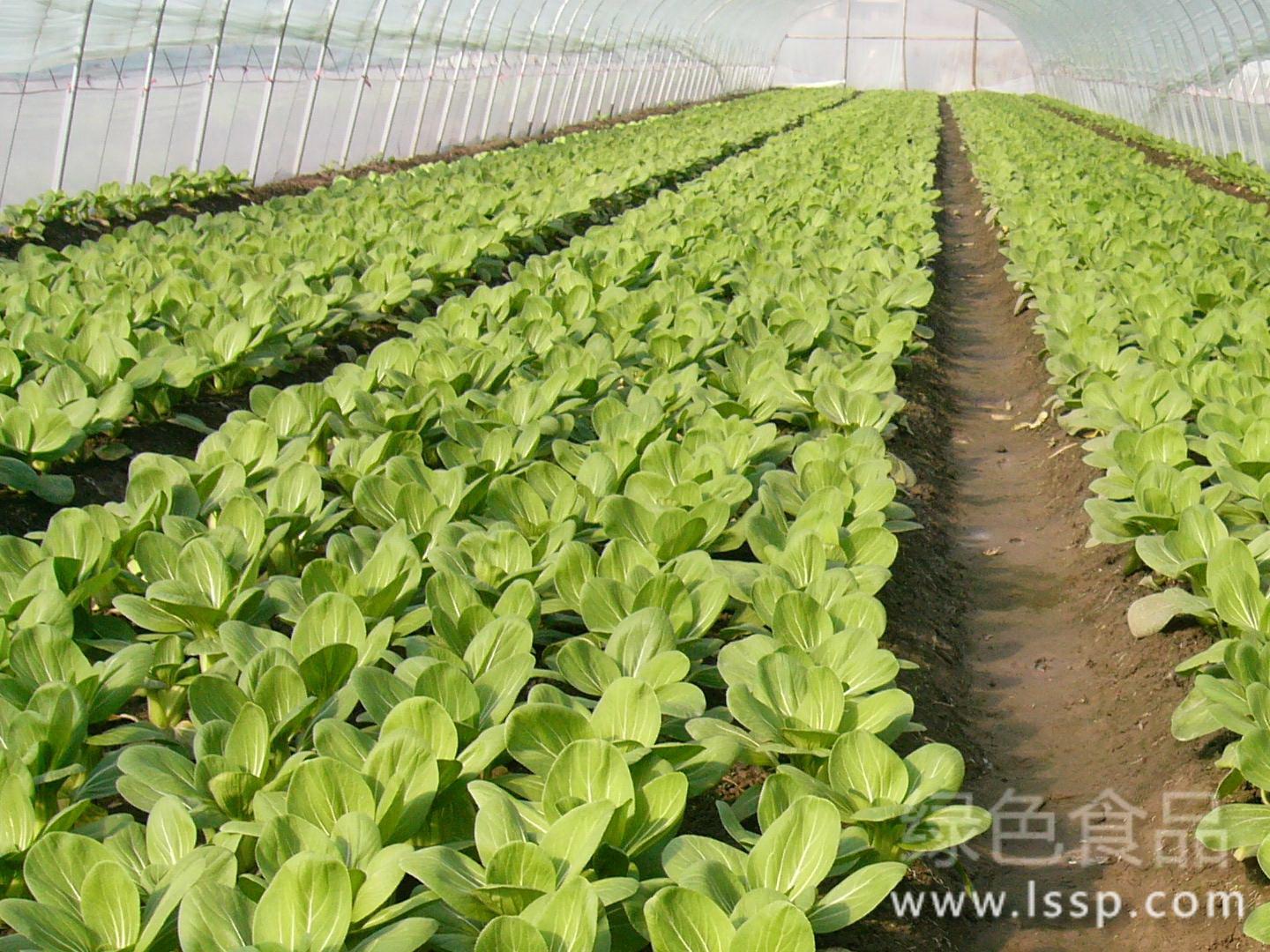
Greenhouse vegetables
For various reasons, excessive humidity can occur inside the greenhouse, causing large numbers of water droplets to condense on the film. A slight shake of the arch frame or film makes it seem like light rain inside the greenhouse. This not only affects the light transmission of the film, but also causes the spread of certain diseases (such as downy mildew, gray mold, and blight), thereby affecting vegetable growth.
Causes
Excessive rain and snow before covering the greenhouse. Before the greenhouse film is applied, if there is a lot of rain and snow inside the greenhouse or the soil moisture content is high, after the film is covered, the greenhouse temperature becomes too high, soil moisture evaporates heavily, and excessive humidity results inside the greenhouse.
Improper watering. Flood irrigation at transplanting or after transplanting of vegetables causes excessive water volume, or frequent surface watering can cause high soil moisture content and increase humidity inside the greenhouse.
Open-channel water delivery. If irrigation water is delivered through open channels into the greenhouse, each watering will cause excessive humidity inside the greenhouse because of the excessive water content in the ditches.
Improper site selection. When building a greenhouse, if the chosen location is unsuitable, with a high groundwater table, low-lying terrain, and poor drainage, humidity inside the greenhouse will increase.
Failure to ventilate in time. The main function of greenhouse ventilation is to lower temperature and remove moisture. Especially when soil moisture content is high, timely ventilation for moisture removal is even more necessary. If ventilation is poor, large numbers of water droplets will condense on the film, thereby increasing the air humidity inside the greenhouse.
Greenhouse vegetables
Solutions
1. Cover with anti-drip film. Anti-drip film can significantly reduce humidity and has good light transmission, 10—15% higher than ordinary agricultural film, which helps increase temperature and reduce humidity.
2. Ventilation and air exchange for dehumidification. Ventilation should generally be carried out around midday when the temperature is high, mainly through roof vents and side vents. Bottom vents must not be opened, to prevent the greenhouse temperature from dropping too low and "sweeping wind" from damaging the seedlings. In severe winter and early spring, it is not advisable to open morning vents for moisture removal. In high-temperature seasons, ventilate early, ventilate heavily, and close late; even on cloudy days, use the short period around midday when the outside temperature is high for short ventilation. If humidity inside the greenhouse remains persistently high, gradually increase the ventilation volume and strive to bring the air humidity down as quickly as possible, but the temperature drop caused by ventilation should be premised on crops not suffering cold damage.
3. Plastic film mulching. Using plastic film mulching can reduce evaporation of soil moisture and reduce the number of irrigations, and is an important measure for lowering air humidity inside the greenhouse. For example, in the greenhouse use alternating large and small ridge spacings, cover double ridges with plastic film, and when watering, let the water flow in along the small ridge furrow under the plastic film.
4. Reasonable watering. Watering is the main factor causing increased humidity inside the greenhouse. The number of waterings and the amount each time must be determined according to the weather, soil conditions, vegetable type, growth stage, and growth vigor. Generally, water lightly or irrigate alternate furrows in rotation, and never use heavy watering or flood irrigation. For fruit vegetables, the transplanting water and seedling-establishment water should be thorough, and sufficient water should be supplied during the fruiting stage, while in other periods watering is generally unnecessary. When the temperature inside the greenhouse is relatively low, especially when ventilation is not possible, watering should be controlled as much as possible, and border irrigation must not be used. Watering should preferably be done on sunny days from 10—12 a.m., together with ventilation for moisture removal. Do not water in the afternoon, on cloudy days, or on rainy and snowy days, and avoid consecutive overcast and rainy days after watering. When conditions permit, furrow irrigation under film or drip irrigation can be used to reduce irrigation volume and evaporation.
5. Use thermal insulation materials with good moisture absorption. Thermal insulation materials with good moisture permeability and moisture absorption, such as non-woven fabric, can prevent condensation on the inner surface and prevent dew from falling onto the plants, thereby reducing air humidity and crop wetting.
6. Raise temperature to reduce humidity. For every 1℃ increase in air temperature inside the greenhouse, the relative humidity in the air drops by 3—5%. Using the method of raising temperature to reduce humidity can both meet the temperature needs of vegetables and lower the relative air humidity. When the plants have grown resistant enough, water and close the greenhouse to raise the temperature to about 30℃ for 1 hour, then ventilate for moisture removal. After 3—4 hours, when the greenhouse temperature is below 25℃, this can be repeated once.
7. Dust method and smoke method for pesticide application. The air humidity inside the greenhouse is already very high, and using the conventional spray method for pesticide application would increase humidity further, which is unfavorable for disease control. Using the dust method and smoke method for pesticide application can avoid increasing air humidity due to spraying and improve control effectiveness.
8. Intertillage to dissipate moisture. On sunny days when the greenhouse temperature is relatively high, shallow hoeing of the surface soil speeds up evaporation of surface soil moisture. At the same time, it cuts off soil capillaries and prevents deeper moisture from moving upward.
9. Hang reflective curtains. Hanging reflective curtains can not only increase light intensity, but also raise ground temperature and air temperature by about 2℃. Because relative humidity decreases as temperature rises, hanging reflective curtains also has a certain humidity-reducing effect.
10. Natural moisture absorption. Rice straw, wheat straw, quicklime, and other materials can be spread between rows to absorb water vapor or fog, achieving the purpose of reducing humidity.