-

Do yellowing leaves on a money tree need to be cut off? How to handle yellow leaves on potted plants
The money tree (Zamioculcas zamiifolia) is an evergreen species very well suited to being grown as an indoor foliage potted plant, and placing it indoors brings many benefits. It can be enjoyed for its ornamental value, accent a space and beautify the home environment, while also absorbing harmful gases and dust and releasing oxygen. Of course, for enthusiasts who pay close attention to feng shui
-
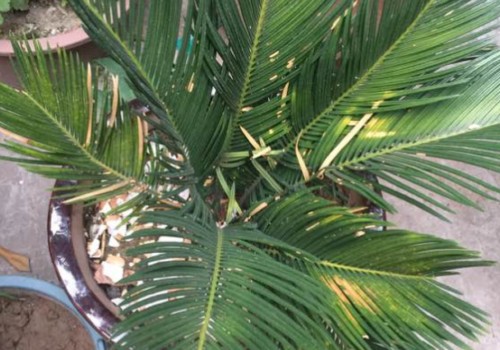
Can yellowing cycad leaves be cut off? The correct way to handle it
Many gardening friends like growing cycads in pots, not only because they look beautiful and give a feeling of positive, upward spirit, but also because using them to decorate and beautify the environment and space works very well. But most importantly, they are relatively easy to grow, and usually we can grow them well without spending too much time and energy.
-
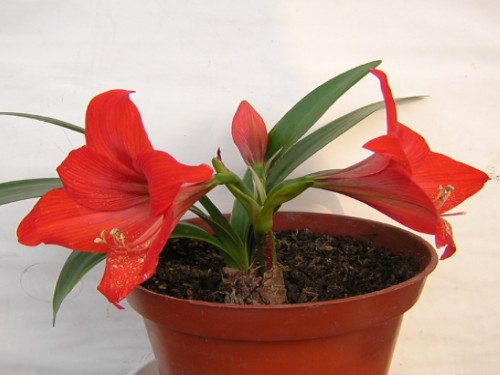
How to Properly Handle Amaryllis Root Rot
Amaryllis (Hippeastrum) comes in vivid, rich colors with large blooms. It can serve not only as a premium potted flower but also as an excellent ground-cover plant in garden landscapes, and it can even be produced as a high-end cut flower. Amaryllis is a very important ornamental flowering plant, mostly grown in pots, but many people also choose hydroponics.
-
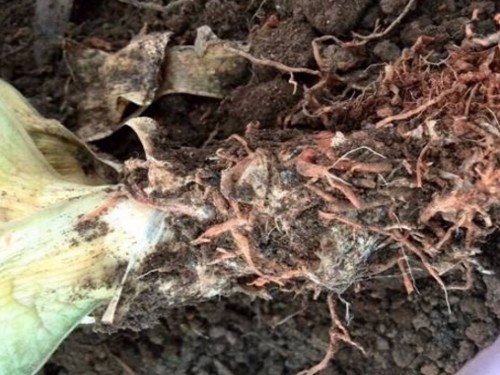
What to Do If Your Snake Plant Has Root Rot? Here's the Correct Way to Handle It
Snake plants are known as natural air purifiers and can effectively remove harmful substances from the air. In particular, their ability to absorb formaldehyde is extremely strong, and they can effectively remove harmful substances such as sulfur dioxide, chlorine, ether, ethylene, carbon monoxide, and nitrogen peroxide.
-
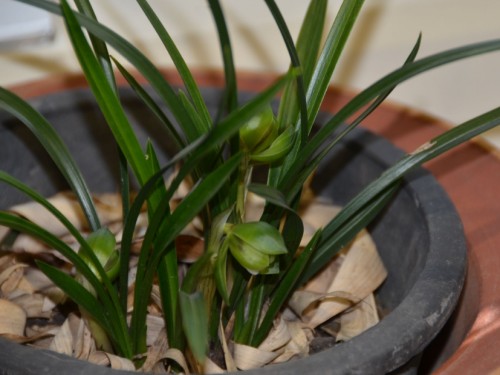
How to remedy and handle orchids after root rot?
Some beginners who grow orchids often do not understand orchid habits well and find it difficult to grow them successfully, with burned tips and seedling collapse, leaving only a few dried stumps after a year or two. The cause, in most cases, is orchid root rot. As the saying goes, to grow orchids, first grow the roots; when the roots are good, the leaves flourish and the flowers are fragrant. To cultivate a good pot of orchids
-
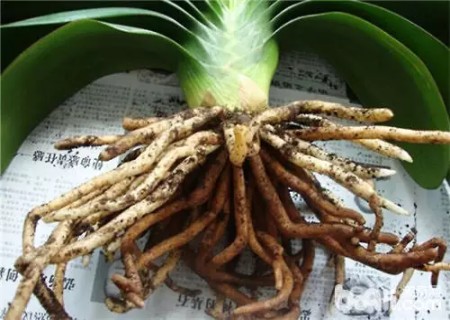
What to Do About Root Rot in Potted Flowers? Here's the Correct Way to Handle It
Potted flowers are often prone to root rot due to uncontrolled watering, improper fertilizing, poor management and other reasons, ruining flowers carefully cultivated for years or even decades - truly a great pity. If an accurate diagnosis can be made in the early to middle stages of root rot and effective measures taken,
-
What to Do About Root Rot in Hydroponic Pothos? Here's the Correct Way to Handle It
Pothos is a common foliage plant in homes, thriving as soon as it meets water, and thanks to its tenacious vitality it is known as the flower of life. When it comes to hydroponic flowers, pothos may be the first thing everyone thinks of, because pothos can be grown not only in soil but also in water, and it has always been called the easiest plant to grow by plant lovers.
-
Reasons for Leaf Drop in Potted Camellias and How to Handle It
The autumn wind sweeps away fallen leaves, and it has swept the camellia leaves of many households right onto the ground. The strange thing is, if they must fall, then fine, but you would think they would only drop their yellow leaves - why are the emerald green ones being blown to the ground along with them! Recently, several gardening friends have consulted us about their camellias dropping leaves.
-
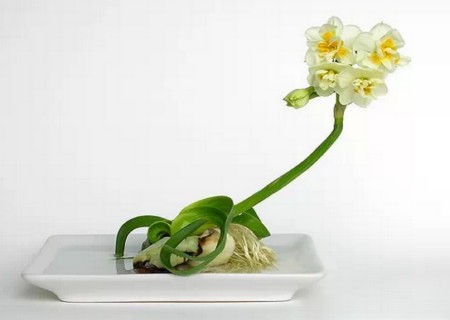
How to handle and care for potted narcissus (daffodil) after it blooms?
Narcissus in the living room can make people feel calm and cozy. The living room is a place for family gatherings and entertaining guests, so it is suitable to choose brightly colored cut flowers and elegant, dignified narcissus. Placed at home, narcissus can absorb noise released in the home, absorb exhaust gases released in the home, and release fresh air.
-
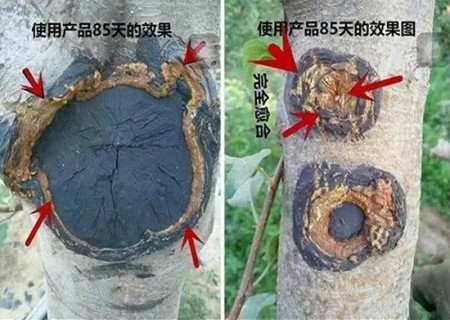
How to handle poor healing from girdling in pear tree grafting
Pear trees are generally girdled on the main branches, lateral branches and water sprouts. When girdling, it is best to make 2-3 spiral cuts around the branch. When girdling, the width of the bark strip removed must be strictly controlled, and the xylem must not be damaged; the width should be kept within 1/10 of the branch diameter, and no wider than 1.0 cm at most. It should be done from May to July; doing it too late is not conducive to wound healing
条件筛选