How to handle and care for potted narcissus (daffodil) after it blooms?
Narcissus in the living room can make people feel calm and cozy. The living room is a place for family gatherings and entertaining guests, so it is suitable to choose brightly colored cut flowers and elegant, dignified narcissus. Placed at home, narcissus can absorb noise released in the home, absorb exhaust gases released in the home, and release fresh air, reducing from a physical standpoint the excess burden in one space after another; a comfortable home is a home with good feng shui.
Many people like to grow narcissus, but they often assume that narcissus can only bloom once, so they buy them every year and throw them away every year. If cultivated properly, narcissus and hyacinths can bloom for many years; the key is to provide sufficient nutrients and grow plump, full bulbs. Next, let's look at exactly how to handle and grow them!
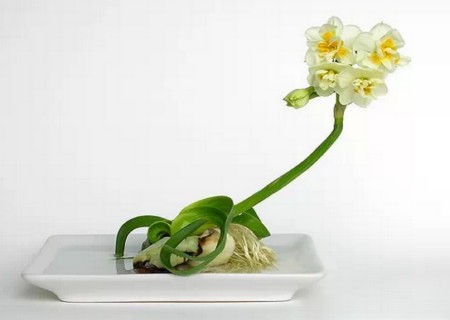
I. How to handle potted narcissus after it blooms
1. Choose a vegetable garden plot or nursery plot that is sheltered from the wind, faces the sun, and has deep soil. After deep plowing and raking level, build high ridges, open furrows on the ridges, and bury the bulbs that have already bloomed in them, leaving the leaves naturally intact. After one month, the leaves wither and go dormant. At this point, dig up the bulbs, cut off the fibrous roots, and cut off the yellowed, withered leaves along the base. Then bury the bulbs again, with a depth of 10 cm being suitable, and at the same time apply decomposed cake fertilizer liquid or human waste, then rake level. (Note: do not take the easy way out and just bury them in a flowerpot and be done with it, because the bulbs must spend the long three seasons of spring, summer, and autumn in the soil, especially in summer and autumn, when it is hot and scorching. With the bulbs buried in it and no leaves above, if you forget to water and fertilize them, they will dry out and die.)
2. After handling the bulbs, the next work is routine care and management. Usually, as long as you pay attention to giving the plot sufficient nutrients and keep the plot moist but not waterlogged, the bulbs can grow naturally.
3. Wait until November or December, then dig the bulbs out again. At that time you will find that the old bulbs have rotted and become hollow, but around them many bulbs of various sizes have multiplied. Pick out those bulbs that are large and have many buds, wash the soil off them, peel off the brown skin film on the surface, then put them outside in the sun for a few hours. Then use a knife to cut a cross-shaped incision on the top of the bulb, with a depth that does not damage the bud eyes inside the scales, so as to facilitate the growth of buds and leaves.
4. Put them in clean water and soak for 24 hours, wash off the gelatinous mucus flowing from the cuts, and then normal water cultivation can be carried out. Generally after 3 days, white fibrous roots can grow from the bottom of the bulb, and leaves gradually sprout from the bud eyes at the top of the bulb. As for those small bulbs, because they will not bloom that year, let them grow in the soil for another year, and after they have developed plump and strong the following year, dig them out for water cultivation.
Generally speaking, after the Spring Festival, narcissus flowers fade. People usually throw away the narcissus bulbs that have already bloomed, which is actually a great pity. Narcissus is a perennial plant, and it reproduces by bulbs. If those bulbs that have already bloomed are buried back into the soil, they can continue to grow and reproduce.
II. How to grow potted narcissus after it blooms
During the Spring Festival, narcissus flowers fade, and people usually throw away the narcissus bulbs that have already bloomed, which is actually a great pity.
Narcissus is a perennial plant, and it reproduces by bulbs. If those bulbs that have already bloomed are buried back into the soil, they can continue to grow and reproduce.
Choose a flowerpot that is sheltered from the wind, faces the sun, and has deep soil, and bury the bulbs that have already bloomed in it, leaving the leaves naturally intact.
After about one month, the leaves wither and go dormant. At this point, dig up the bulbs, cut off the fibrous roots, and cut off the yellowed, withered leaves along the base. Then bury the bulbs again, with a depth of 10 cm being suitable, and at the same time apply decomposed cake fertilizer liquid or human waste, then rake level.
Do not take the easy way out and just bury them in a flowerpot and be done with it, because the bulbs must spend the long three seasons of spring, summer, and autumn in the soil, especially in summer and autumn, when it is hot and scorching. With the bulbs buried in it and no leaves above, if you forget to water and fertilize them, they will dry out and die.
After handling the bulbs, the next work is routine care and management. Usually, as long as you pay attention to giving the plot sufficient nutrients and keep the plot moist but not waterlogged, the bulbs can grow naturally.
Wait until November or December, then dig the bulbs out again. At that time you will find that the old bulbs have rotted and become hollow, but around them many bulbs of various sizes have multiplied.
Pick out those bulbs that are large and have many buds, wash the soil off them, peel off the brown skin film on the surface, then put them outside in the sun for a few hours. Then use a knife to cut a cross-shaped incision on the top of the bulb, with a depth that does not damage the bud eyes inside the scales, so as to facilitate the growth of buds and leaves.
Put them in clean water and soak for 24 hours, wash off the gelatinous mucus flowing from the cuts, and then normal water cultivation can be carried out.
Generally after 3 days, white fibrous roots can grow from the bottom of the bulb, and leaves gradually sprout from the bud eyes at the top of the bulb.
As for those small bulbs, because they will not bloom that year, let them grow in the soil for another year, and after they have developed plump and strong the following year, dig them out for water cultivation.
A few points to note:
1. The temperature must not exceed 25°C, otherwise growth will stop and the plant will enter dormancy, causing the flower buds to yellow and shrivel and dry up;
2. Sunlight must be sufficient, otherwise the leaves will grow into garlic leaves;
3. The water used must be clean, otherwise deterioration of the water will cause pollution and root rot.