-

How to handle hydroponic tulips after they bloom
Recently a friend asked for help, saying that after their plant of this kind bloomed, the leaves grew very well with no abnormal signs, but the flowers that opened somehow withered. What exactly happened, and how should this plant be cared for after blooming?
-

What is the best way to handle daffodils after they bloom?
Many people who grow daffodils have always hoped they could keep growing them after the flowers bloom. Although in most cases daffodils really only bloom once, that does not mean there is no way to make them bloom again. Below we will explain in detail the steps we need to take.
-
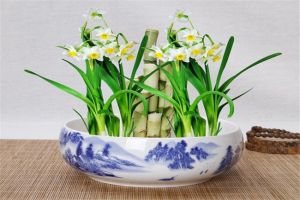
What to Do If You Get Poisoned by Daffodils? Master the Correct Handling Methods
Daffodils always give people a feeling of purity and elegance, looking fresh and refined, graceful and clean. Keeping this plant at home can also be very helpful for feng shui, so many people are very fond of it. However, in reality, daffodils are not as pure and harmless as they appear; they are actually a toxic flower. Hearing this, some friends may panic, so how does poisoning occur? What should be done after poisoning? Let me tell you slowly!
-
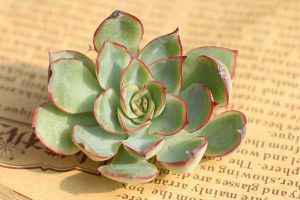
The correct way to handle dead leaves on succulents
Many people think that cleaning up the dead leaves of succulents requires no special attention, but this is a mistaken view. Improper cleaning can easily damage the roots, stems and leaves of succulents, so when cleaning you should use professional techniques, and only then can the task be completed successfully.
-
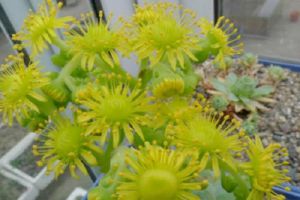
How to handle a mountain rose (Aeonium) after it blooms
Many people have grown this plant. It looks very cute, and its flowers in particular are gorgeous. But as we know, once it blooms, it tends to die soon afterward, so many friends have no idea how to handle it after it flowers and worry that it will die. So what should we do?
-
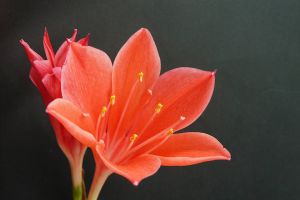
What to do when a purple-rooted lily (belladonna lily) has root rot? Learn the correct way to handle it
The purple-rooted lily is a perennial bulbous herbaceous plant. Because its bulb is purple and looks very similar to an orchid, it is called the purple-rooted lily, but it is also known as George lily; its flowering season runs from winter to the following spring, and its flowers are mostly red, very eye-catching when in bloom. Next, we will explain the causes of root rot encountered in daily cultivation and how to deal with it.
-
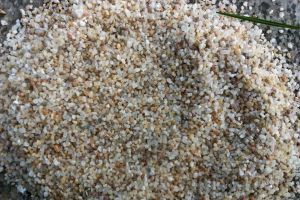
Sprinkle a handful of sand into the pot: no yellowing leaves, no root rot, roots sprouting like crazy, and even the little bugs stay away...
Gardeners who grow flowers often run into problems like compacted soil, or even little bugs burrowing into the soil. Don't worry. At times like this, all you need to do is grab a handful of sand and sprinkle it into the pot, and all your troubles are solved!
-

What to Do If You Accidentally Ingest the Sap of a ZZ Plant? Detailed Guide to the Correct Handling
This is a herbaceous plant. It is also known as the "dragon-phoenix plant," a name with very auspicious connotations. However, this article is not about its symbolism. Sometimes, people accidentally ingest its sap. So, is its sap toxic? If it really is ingested, how should it be handled?
-

Pothos and clivia bloom and fill their pots year after year, and this is how a Shandong auntie cares for them
Many flower lovers have grown pothos and clivia, but if you want them to fill their pots year after year and grow leaves that are big and plump, it takes some real effort. Huahua knows a Shandong auntie who is not only beautiful but also especially good at growing flowers. Huahua asked her for lots of great flower-growing tips, and now I'll share them with everyone right away!
-
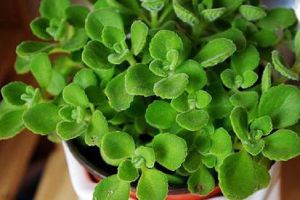
What to do if your Cuban oregano (Plectranthus amboinicus) has root rot? Here's the correct way to handle it
The most likely cause of root rot is improper watering. If the case is mild, you can first try to save it by removing the rotten roots and disinfecting them. If it is severe, you will need to re-root cuttings, which also root easily, so there is no need to worry too much.
条件筛选