-
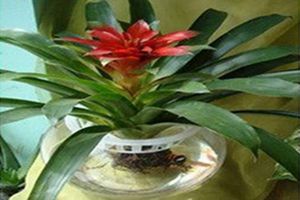
How to grow Guzmania (Vriesea) in water? A detailed guide to its care
As for the water level, you must not submerge all of its roots in water, and you should use clean water; it is best to put some fertilizer in the water. As for light, from May to October you need to shade it, mist some water around it, and when cleaning, both the roots and the bottle need to be washed. During its growing period you should increase the water level, and when it is flowering, reduce the water level; you must change the water at least once every half a month.
-
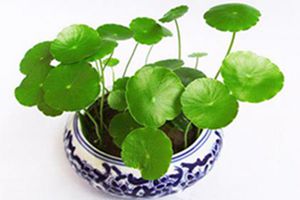
How to Eat Pennywort? A Detailed Guide to Common Culinary Methods
First of all, this plant is not toxic and can be eaten; the claim that it is toxic is wrong. You can serve it directly as a cold salad, drink its juice, dry it and use it as a Chinese herbal medicine to decoct, or add some to stews. This plant can be used for ornamental purposes, for landscaping, and as medicine.
-
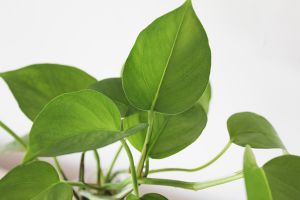
What fertilizer is best for Aglaonema modestum? Detailed guide to fertilizing methods
Fertilizer is essential for plant growth. We can apply Zhuangjingling and Cuhuawang about once every ten days, and after fertilizing, be careful not to let it get rained on. When it is growing vigorously, apply a compound fertilizer with a relatively high nitrogen content. In addition, we can put some salt into the water.
-
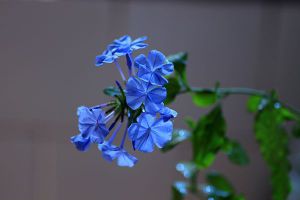
How to care for blue plumbago (Plumbago auriculata) so it bursts with blooms? A full guide to care tips
The soil it lives in needs to be slightly acidic, and the temperature we give it needs to be in the range of 17 to 26. We need to place it in a sunny spot, and when it is growing vigorously, we need to water it more. During the growing period, we need to fertilize once every 15 days, and in spring we need to repot it once. In addition, pruning can help it grow better.
-
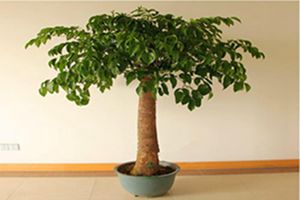
What is the difference between the Happiness Tree and the Peace Tree? A quick guide to tell them apart
These are two completely different trees. The former belongs to the genus Radermachera, while the latter belongs to the genus Cinnamomum. The former is somewhat shorter than the latter, the former does not grow hairs, and the latter can give off a fragrance. The former is better suited to high-temperature regions, while the latter is less tolerant of drought than the former. Both can be used as medicine, but their effects are different: the former is mainly used to treat injuries and the like, while the latter is mainly used to dispel cold and resolve blood stasis.
-
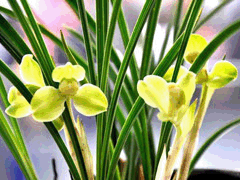
What Are the Main Types of Chinese Orchids? A Detailed Guide to Flower-Growing Basics
What Are the Main Types of Chinese Orchids_Flower-Growing Basics
-
How to grow orchids hydroponically? A detailed guide to hydroponic flower care techniques
Hydroponic orchid care techniques_Hydroponic flowers
-
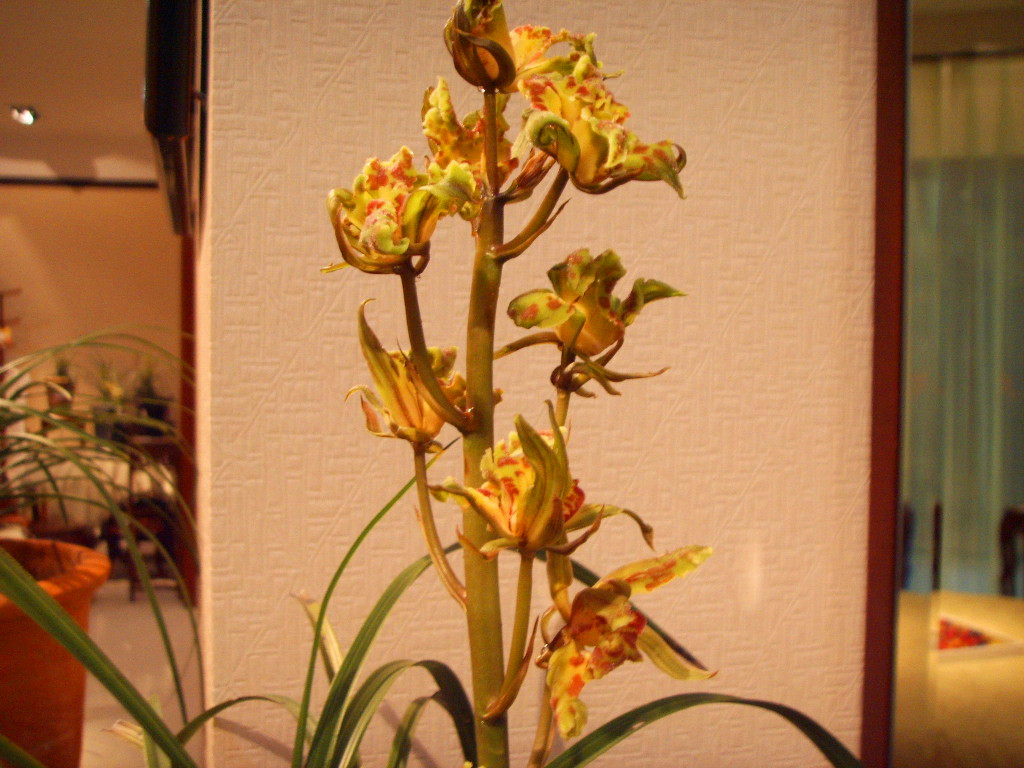
A Detailed Guide to the Top Ten Basics of Orchid Cultivation
The Top Ten Basics of Orchid Cultivation...
-
-
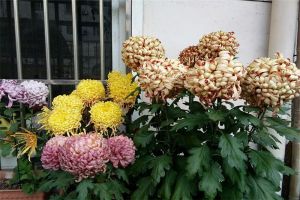
When Do Chrysanthemums Bloom? A Detailed Guide to Their Flowering Periods
Most chrysanthemums bloom in September, but due to differences in environment and variety, their blooming times can vary to a greater or lesser degree. Summer chrysanthemums bloom in May and June, autumn chrysanthemums in September, late chrysanthemums from October to November, cold chrysanthemums from December to January, wild chrysanthemums from June to November, sweet chrysanthemums in May, and small red chrysanthemums from July to October. Of course, through artificial regulation of factors such as light, the flowering period can also be changed.
条件筛选