How to Eat Pennywort? A Detailed Guide to Common Culinary Methods
1. Is It Toxic?
Many people say this plant is toxic, but that is actually wrong; not only is it non-toxic, it can also be eaten and used as medicine. This is because a plant that shares the same alternative name as it is toxic, so people mistakenly think it is this one that is toxic. So everyone can plant it with complete peace of mind.
2. How to Eat It
1. It can be served directly as a cold salad; the whole plant is non-toxic, so it can be eaten without worry.
2. You can dry it, then use it like a Chinese herbal medicine, boiling it in soup, or decoct it together with other medicines for different effects.
3. Crush fresh tender leaves with a hard object, then pour out the juice to rub on the skin; the juice can also be drunk.
4. When stewing dishes, you can add some dried flowers of this plant, but not too many; only in the right amount will its effects be good.
3. Its Other Uses
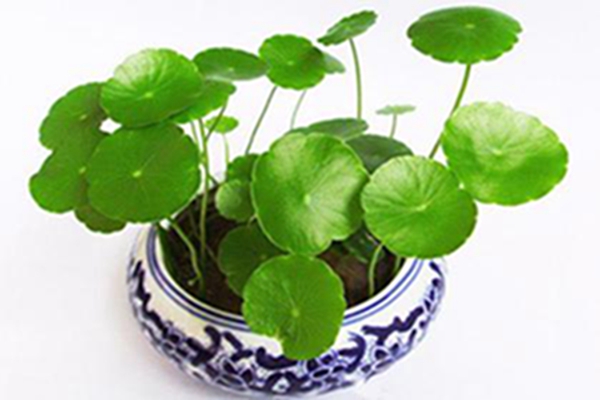
1. Its leaves are round, shaped like a shield, and look very much like a copper coin. The leaf stalks are relatively long, the edges are wavy, and the leaves are very green. In summer and autumn it produces delicate yellow-green flowers. Its appearance is especially beautiful, so it can be used for ornamental purposes. In warm regions it can be planted in the open air, and it is very suitable for growing in ponds or wetlands, where it looks very distinctive and very attractive.
2. As a Chinese medicine, the whole plant can be used medicinally and can help with urination.
3. Its underground stems are very strong and can spread over a very wide area, so it is very easy to grow. It also has low requirements for water quality; as long as it is fresh water and not very hard, it can grow. Therefore, it can be used for landscaping, with very good results.