What is the difference between the Happiness Tree and the Peace Tree? A quick guide to tell them apart
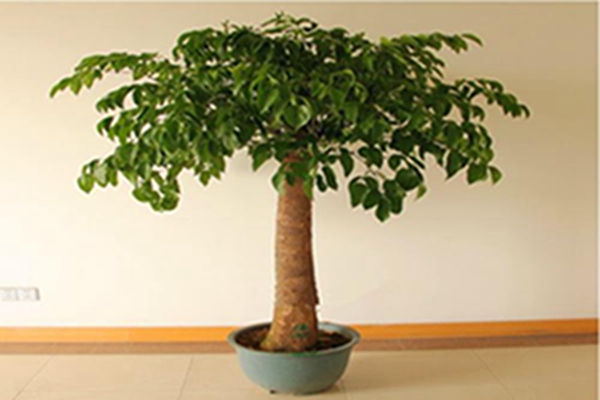
I. Differences in family and genus
1. The former is a small tree of the phylum Angiospermae, genus Radermachera.
2. The latter is a small tree of the phylum Angiospermae, genus Cinnamomum.
II. Differences in shape
1. The former can grow to 10 m tall, and neither its leaves nor its flowers grow hairs. The flowers generally grow at the top of the branches, shaped like a funnel, and the flower colors include both white and yellow. The fruit is relatively long, and the seeds are also oval. It blooms from May to September and bears fruit from October to December.
2. The latter can grow taller, reaching 15 m. Its branches and leaves are fragrant, the branches are brown, and the leaves are relatively large, very emerald green on the surface, and even appear to have a metallic luster. It blooms in June and July and bears fruit in August and September.
III. Differences in habits
1. The former likes high-temperature, hot regions, and sunlight must be sufficiently abundant. It can endure high temperatures, likes humid regions, and fears very cold and dry regions. It generally grows in the mountains or in relatively sparse forests. If grown in soil, it is best to use very fertile sandy soil with good drainage.
2. The latter likes warmth and humidity, and sunlight also needs to be very abundant. It is suitable for growing in an environment of 20-30°C. Although it likes sunlight, it can also tolerate shade, and it likes relatively warm regions without snow or fog. Its resistance to drought is not that strong, and it fears waterlogging and high cold. If grown in soil, it is best to use slightly acidic sandy soil with sufficient drainage and aeration.
IV. Differences in effects
1. The roots, leaves, and fruit of the former can all be used as medicine. They can reduce swelling and treat injuries, venomous snake bites, and so on. Its wood is yellow, with very clear growth rings, and is relatively heavy and thick, so it can be used as a building material.
2. The bark of the latter can be used as medicine. It can strengthen the stomach and relieve pain, dispel cold and resolve blood stasis, and so on. It also contains an oily substance that can release a fragrance, which can be used to freshen the air.