-
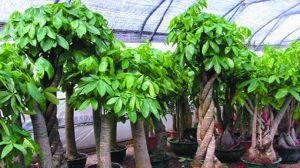
A Detailed Guide to the Feng Shui Placement Methods and Taboos of the Money Tree
The best placement for a money tree is the wealth position, as this can maximize its wealth-attracting effect and bless the owner with great fortune and prosperity. If a company has just opened, it can be placed at the company entrance. In addition, when placing it at home, it is best not to put it next to the television or in the toilet or bathroom.
-
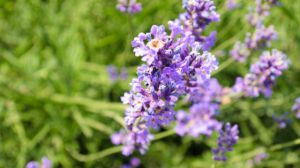
How to propagate lavender? A detailed guide to common propagation methods
Cutting propagation: Select healthy, semi-lignified flowering stems, cut them to a length of about 8-10cm, remove the lower leaves, then insert them into the growing medium, water thoroughly once, and finally cover with a layer of film to retain moisture. Seed propagation: Evenly scatter the seeds onto the surface of the growing medium, cover with a thin layer of soil, then spray water as needed to increase humidity.
-
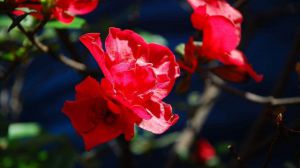
What is the difference between yingshanhong and azaleas? A quick guide to telling them apart
Yingshanhong is another name for azaleas, broadly referring to all kinds of red azaleas. During the azalea blooming season, wild azaleas on the mountains bloom in vast patches, dressing the whole mountain in red. When people see this sight, they naturally call the red flowers covering the mountain, that is, the wild azaleas, "yingshanhong" (mountain-reflecting red).
-
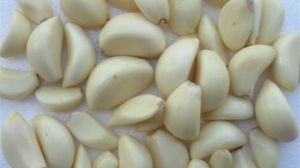
How Does Garlic Remove Dark Spots? A Detailed Guide to the Correct Method of Use
The first garlic dark-spot removal method is to wash it clean in hot water, remove its pungent taste, then soak it in rice-washing water for 20 minutes and apply it to the face; the second is to heat it in a microwave for 1-3 minutes, mash it, add mung bean powder and water, stir well and apply it to the face. Note that it is highly irritating and not suitable for sensitive skin; at the same time, you must also improve your daily habits for it to have any effect.
-
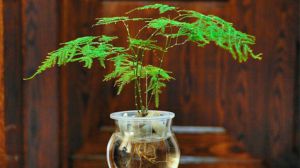
Can Asparagus Fern Be Grown in Water? Detailed Hydroponic Care Guide
Asparagus fern can be grown in water, and it is best to use a young seedling with roots. For hydroponics, remove the old soil from the roots completely, rinse them clean with water, then trim off the diseased and old roots, and disinfect the wounds with carbendazim. Prepare a container, place some expanded clay pebbles or maifanite at the bottom, insert the prepared plant, and keep it in a cool place for care.
-
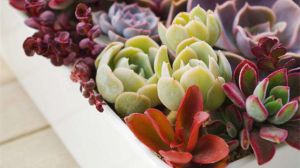
Can Succulents Be Placed in the Sun? A Detailed Guide to the Correct Way to Sun Them
Succulents can be placed in the sun, but when the light is too intense, it is best to keep them indoors. For succulents that have just been successfully propagated or have just been bought, care for them for a few days and then gradually expose them to light. When letting them bask in the sun, there should be proper ventilation; in a hot and stuffy environment, they can easily die. After sunburn, they need to be promptly placed in a cool, well-ventilated spot for care.
-
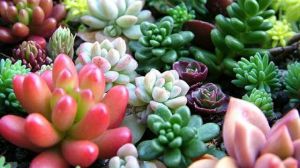
How to propagate succulents? A detailed guide to common methods
Seed propagation: sow the seeds immediately after harvesting or sow in the following spring. Cutting propagation: for leaf cuttings, cut off healthy, disease-free leaves and simply place them on a sand bed; for stem cuttings, clean the branches thoroughly, let them dry, then plant them as cuttings; for root cuttings, cut off mature roots and bury them in a sand bed. Division propagation: when repotting, cut off the bulbs and small plantlets and plant them separately.
-
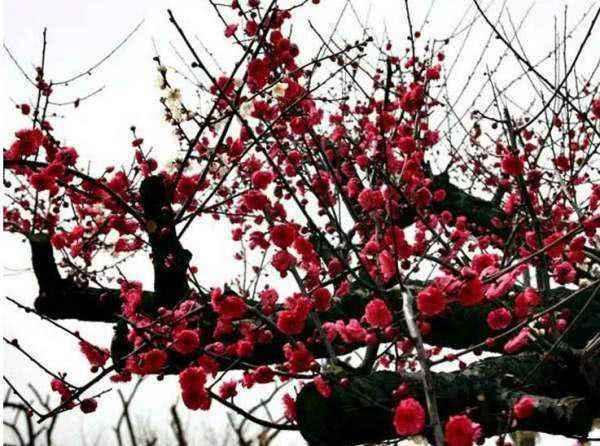
Complete Guide to Caring for a Cinnabar Plum Bonsai: Beautifully Shaped with Small, Lovely Flowers
Do you want to bring the beauty of winter into your home? Cinnabar plum is a great choice. Many people may not know how to care for it, so below the editor explains what to pay attention to. There are many types of plum blossoms, and cinnabar plum is one of them, ...
-
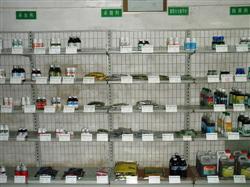
What Types of Pesticide Insecticides Are There? A Detailed Guide to Selection Precautions
1.1 Classification by composition and source: Inorganic insecticides, such as lead arsenate, calcium arsenate, arsenites, sodium fluoride, sodium fluorosilicate, sulfur, zinc phosphide, etc. Organic insecticides. Natural organic insecticides can be divided into botanical insecticides (such as derris, pyrethrum, tobacco, pine resin, santonin, toosendanin, etc.) and mineral-derived insecticides...
-

条件筛选