-
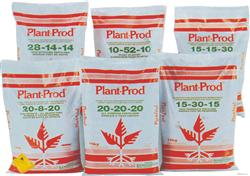
Detailed Guide to Common Types of Water-Flush Fertilizers and Their Correct Use
What types of water-flush fertilizers are there and how should they be used? Please give an introduction. There are many varieties and types of water-flush fertilizers, which can be divided into three kinds based on chemical properties and nutrient composition: first, inorganic types such as urea, monopotassium phosphate, high-calcium type, high-potassium type, etc.; second, organic types, such as amino acid type, humic acid marine organism type, etc.; third...
-
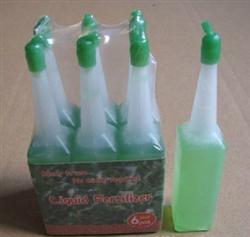
A Detailed Guide to the Correct Use of Plant Growth Regulators
How are plant growth regulators used correctly? Here is an introduction to the use of plant growth regulators, which have greatly increased crop yields and improved the quality of agricultural products. However, some farmers in production, due to improper use techniques, not only failed to achieve the expected results, but also caused serious yield reductions due to phytotoxicity. First taboo: using them as...
-
Detailed Guide to Using Ethephon: Correct Use of Plant Growth Regulators
How is the plant growth regulator ethephon used? Please explain. Ethephon is a broad-spectrum, low-toxicity organophosphorus plant growth regulator that promotes ripening. It can enter the plant through leaves, bark, fruit and seeds, then be transported to the site of action, where it releases ethylene. It can promote fruit ripening and coloring, promote leaf...
-
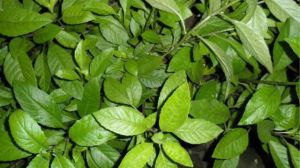
What are the benefits and effects of Gynura divaricata? A detailed guide
Anti-inflammatory: Mash Gynura divaricata into a paste and take the juice with honey to treat conjunctivitis. Heat-clearing: Decoct it with salt and drink to eliminate accumulated heat. Fever reduction: It can bring down a fever in a short time and relieve the discomfort caused by high fever. Hemostasis: Applying the mashed herb topically can shorten blood clotting time, and the wound will not become red and swollen.
-
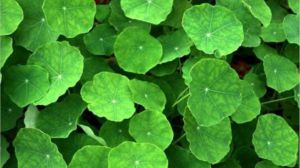
What are the benefits and effects of Centella asiatica? A quick guide
Hemostasis: Centella asiatica can shorten blood clotting time and can be used for symptoms such as blood in the urine, blood in the stool, gastric bleeding, and bleeding from external injuries. Beauty and skin care: It prevents pigmentation, promotes collagen growth, and increases skin elasticity. Memory improvement: It regulates the human brain's stress hormone cortisol and improves memory ability. Promoting diuresis and harmonizing the spleen: It can treat conditions such as watery diarrhea and dysentery caused by damp-heat.
-

Detailed Guide to Growing Trailing Snapdragons 'Candy Tops'
The 'Candy Tops' series is a rare, premium trailing type of snapdragon in the world that is grown from seed. It produces abundant flowers, blooming continuously at the top, and even under short-day conditions, it can still keep blooming nonstop. As a day-neutral plant, the 'Candy Tops' series can be used in autumn
-
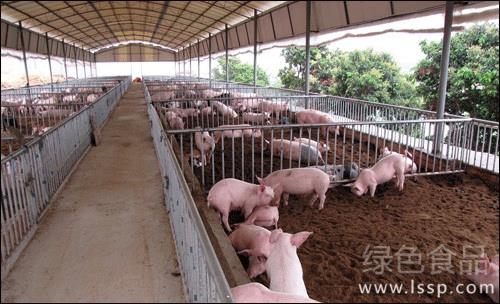
How to prevent and control porcine high fever syndrome? A practical guide for large-scale pig farms
How large-scale pig farms can prevent and control porcine high fever syndrome
-
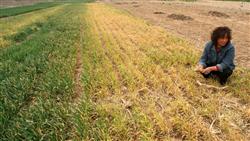
How to Apply Paraquat Herbicide Safely? A Detailed Guide to Correct Use
How to Apply Paraquat Herbicide Safely? Please Explain and Guide. Paraquat herbicide is a non-selective herbicide, generally used to eliminate annual weeds or perennial weeds. However, after paraquat comes into contact with soil, its activity decreases, so it cannot effectively eliminate the underground rhizomes of weeds. In recent...
-
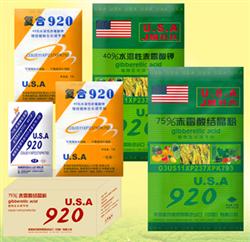
What Are Plant Growth Regulators? A Clear Guide
What are plant growth regulators? A detailed introduction. Plant growth regulators are a class of substances used to regulate plant growth and development. Plant growth regulators are also called exogenous plant hormones, generally produced through artificial synthesis or microbial fermentation, and their physiological effects and biological effects are the same as or similar to natural plant hormones...
-
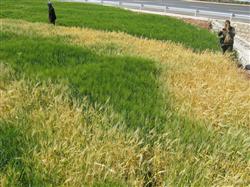
How to avoid pesticide phytotoxicity? A detailed guide to practical prevention methods
How to avoid pesticide phytotoxicity? Please provide guidance methods. To avoid pesticide phytotoxicity, you can refer to the following methods: 1. Fully understand the basic nature of phytotoxicity, strictly control the dosage and concentration used, choose the correct time and method of application, and do not arbitrarily increase the amount or frequency. 2. Understand the quality of the pesticide....
条件筛选