-
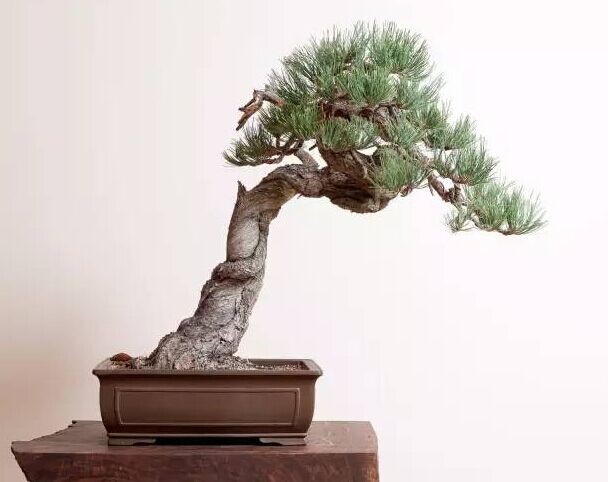
How to shape a cliff cypress (Sabina chinensis) bonsai? A detailed guide to practical techniques
Tip pinching and shari (deadwood) are important techniques that must be mastered when making cliff cypress bonsai. Tip pinching is actually leaf pinching. Because the young branches of the cliff cypress grow from scale-like small leaves, removing the tender young branches and leaves can control excessive growth. At the same time, tip pinching is also the only choice for organising the crown form, standardising the tree's appearance, and keeping the landscape beautiful and clean
-
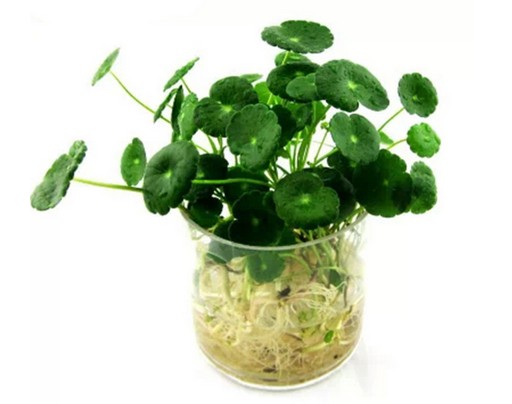
A detailed guide to the seedling and cultivation methods of pennywort bonsai, easy enough for beginners to learn
Pennywort (Hydrocotyle vulgaris) is not strict about water quality and can be cultivated in freshwater with lower hardness; salinity should not be too high. The pH of the water is best kept between 6.5 and 7.0, that is, slightly acidic to neutral. It has a relatively high demand for fertilizer, and during the vigorous growth stage it is enough to apply fertilizer once every 2~3 weeks
-
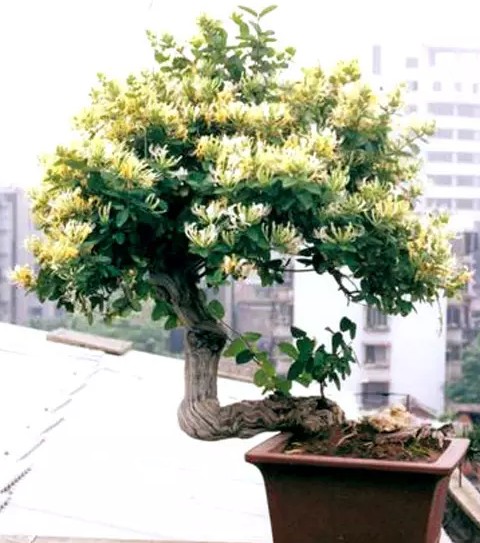
How to prune a honeysuckle bonsai? A detailed guide to practical techniques
Honeysuckle is naturally vigorous, and its stems can take root as soon as they touch the ground. It can be transplanted bare-root, and collected old stumps can easily survive cultivation even without fibrous roots. From the time of potting, carry out dwarfing, shaping and pruning to develop a thick trunk and short branches. During the growing season, remove vigorously growing buds, pinch the tips of strong branches early, and when pruning, cut long growth and keep short growth. Through shaping and pruning
-
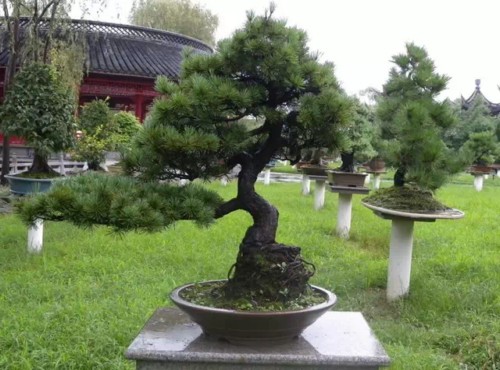
How to Fertilize Pine Bonsai? A Detailed Guide to Fertilizing Techniques in Spring and Autumn
In the wild, pines mostly grow in barren or high-altitude areas and are heliophilous (sun-loving) pioneer tree species, which means pines do not need much fertilizer to grow well. In horticultural cultivation, however, fertilizer is still applied to make the trees grow quickly and shorten the cultivation time.
-
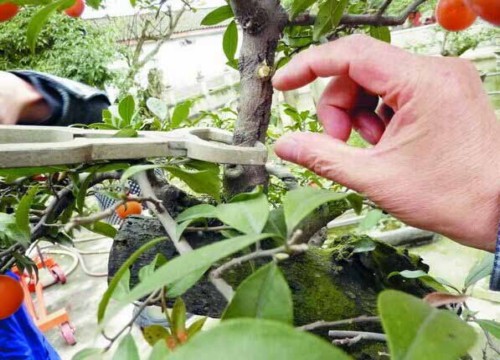
Detailed Guide to Pruning Diospyros cathayensis Bonsai
Diospyros cathayensis is a typical fruit-appreciation bonsai. Because its fruits are golden yellow or light orange-yellow, looking like little golden round beads, it gets its name, and it is a rather lovely choice of material for bonsai artistic styling. Diospyros cathayensis blooms in late April and its fruits ripen in mid-October.
-
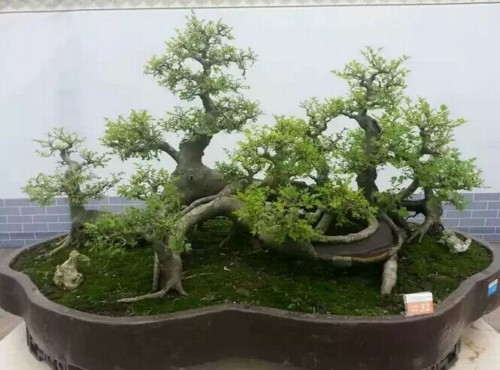
What are the layout methods for forest bonsai? A detailed guide
The layout of forest bonsai is extremely important; it is the key to the success or failure of creating a forest-style bonsai. Several trees that have undergone soil removal are arranged in the pot on a trial basis, and through observation, deliberation, and adjustment of the trees' positions, you achieve a clear distinction between primary and secondary, appropriate spacing and density, and varying heights.
-
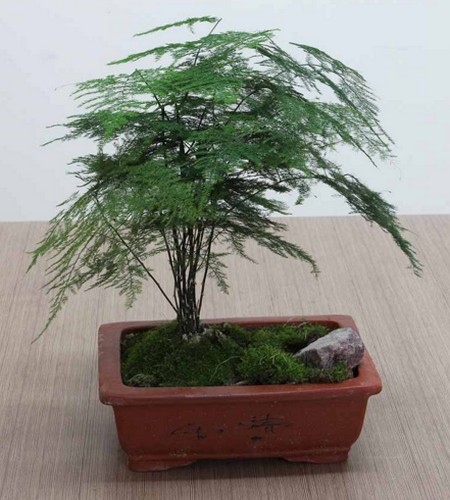
How do you prune and shape an asparagus fern bonsai? A detailed guide to practical methods
Asparagus ferns are kept small, not large; once they grow large, they lose that graceful, elegant feel. As for pruning methods for asparagus fern, everyone has their own opinion, and different forms naturally call for different pruning methods. This article introduces several pruning methods for everyone's reference only! How to improve the ornamental value of asparagus fern
-
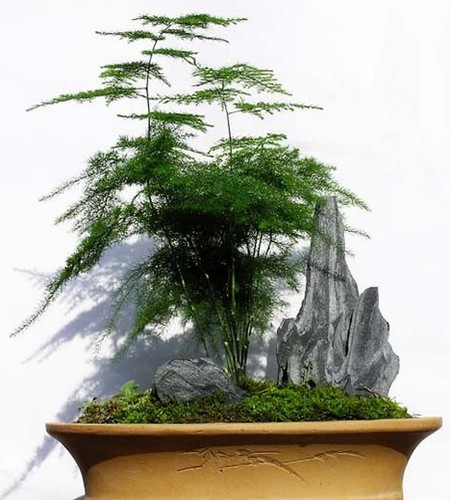
How to prune and shape a potted asparagus fern bonsai? A detailed guide to the methods
The potted asparagus fern (Asparagus setaceus) is deeply favored by the general public for being easy to grow, elegant and attractive, and for absorbing toxic gases. The whole asparagus fern is verdant; although its stems and branches are slender, they stand upright, and its leaf-like branches spread out horizontally in a shape close to a triangle, with leaves reduced to membranous scales attached to the branches like down feathers. Because its stems grow in clusters from the base
-
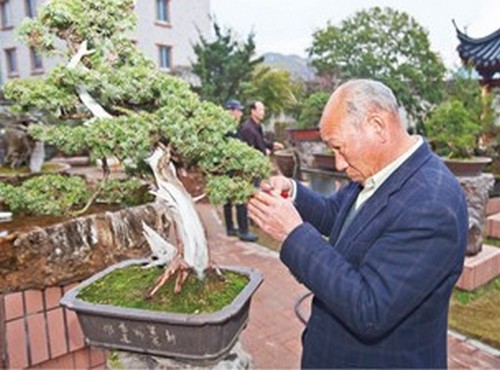
How to shape a Chinese juniper bonsai? A detailed guide to shaping methods
So-called Chinese juniper shaping means, through processes such as tying, binding, twisting, pinching, pulling, thinning and pruning, turning an ordinary Chinese juniper into a vivid living shape, such as animal shapes like lions and tigers; architectural shapes like pavilions and towers; and educational shapes like airplanes and rockets. These shapes range from about a foot tall to several meters tall
-
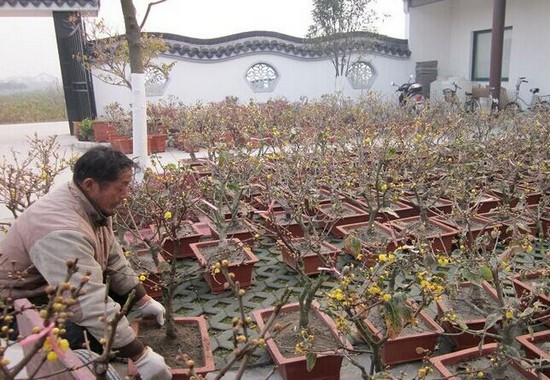
Fast cultivation method for wintersweet bonsai, a step-by-step guide
Wintersweet (Chimonanthus praecox) belongs to the family Calycanthaceae and is a deciduous shrub with opposite leaves and a rough leaf surface. The flowers are borne on new shoots (i.e. current-year shoots) that grow from the leaf axils of the previous year's branches. The flowering period is from December to February of the following year, and the fruiting period is from August to September of the following year. It is highly adaptable, drought-tolerant, cold-tolerant, light-loving, fertilizer-loving, and not tolerant of sooty mold. It tolerates pruning
条件筛选