-

Ficus microcarpa Growing Environment, Potted Cultivation Precautions, and the Medicinal Benefits of Its Aerial Roots
Ficus microcarpa, also known as small-leaved fig, evergreen tree, etc., reaches 15-25 m in height, with a flowering period from May to June. Here we take a look at where Ficus microcarpa grows, what precautions are needed for potted cultivation, and what medicinal benefits its aerial roots have. 1. Where does Ficus microcarpa grow? Ficus microcarpa's
-
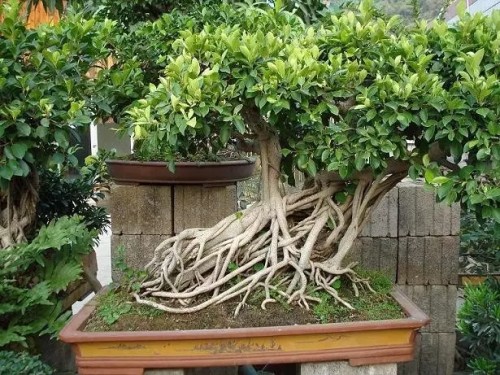
How to care for a Ficus microcarpa bonsai? Methods and tips explained in one article
Ficus microcarpa is a plant commonly seen in the south, and like all Ficus plants it has dense aerial roots. These aerial roots grow very elegantly, like a hanging curtain, yet they point firmly straight down to the ground, and their feel is not smooth at all but full of strength. Once they enter the soil they can grow root systems, supporting the crown as it keeps extending
-

How to Grow Ficus microcarpa? Detailed Guide to Ficus microcarpa Cultivation
[Ficus microcarpa Cultivation Methods] How to Grow Ficus microcarpa
-
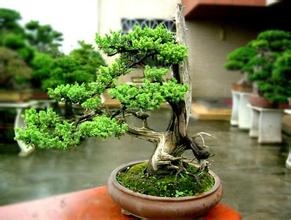
Detailed Guide to the Cultivation Methods and Precautions for Ficus microcarpa
In the editor's impression, the ficus tree is a plant that grows in tropical regions. Ficus bonsai refers to using the ficus tree as material, with the goal of appreciating the peculiar forms of its trunk, roots, stems and leaves, through pruning, branch training, wiring and hanging, and grafting, carefully cultivated with long-term control of its growth and development
-
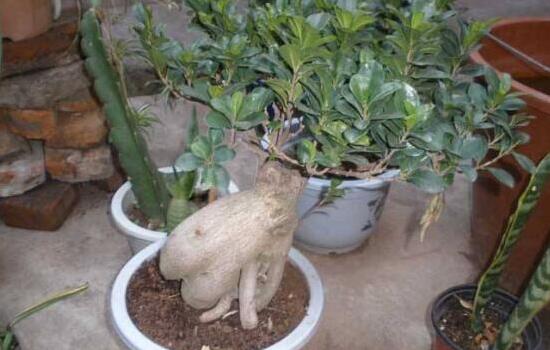
How to make the roots of the Ginseng Ficus (Ficus microcarpa) swell: sowing is the key
As an ornamental plant, the Ginseng Ficus is kept in many gardeners' homes. The beauty of the Ginseng Ficus lies mainly in its well-developed roots; looking at those roots that emerge from the soil layer and look like ginseng is truly so much fun. To make the Ginseng Ficus look even more interesting, many gardeners hope its roots will be a bit bigger.
-
How to grow a small-leaf banyan (Ficus microcarpa) bonsai? Detailed care methods and tips
1. Water and fertilizer management. The small-leaf banyan is extremely easy to grow; it adapts to environments with abundant water and fertilizer, and it is also drought-tolerant and water-tolerant, able to grow in stone crevices. If you want to grow it into a bonsai, you must first grow the trunk well and develop it into a stump. Usually apply thin fertilizer frequently, using decomposed organic fertilizer as a top dressing, once every 3 days
-
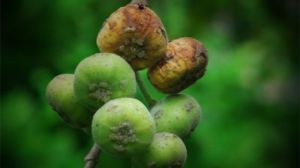
What is the difference between Ficus hispida and Ficus microcarpa? A quick guide to telling the two plants apart
Leaf differences: Ficus hispida leaves are opposite, thickly papery, and ovate-oblong; Ficus microcarpa leaves are thinly leathery, dark green, and narrowly elliptic. Fruit differences: Ficus hispida figs are axillary, top-shaped, and yellow when ripe; Ficus microcarpa figs grow in pairs in the leaf axils, are yellow or slightly red, and are flattened spheres.
-
What to do when a potted ficus (Ficus microcarpa) drops its leaves? Here's the correct way to fix it
When a newly purchased healthy ficus drops its leaves, it is mostly due to insufficient nutrition and a hidden decline in tree vigor, triggered by a sudden change in habitat (such as temperature, humidity, light, etc.). If it is a long-cultivated potted plant losing leaves, you should also consider factors such as soil nutrient deficiency, alkalization, or pests and diseases
-

What are the cultivation methods and precautions for the banyan tree (Ficus microcarpa)?
Light: Plenty of light is best, and it should also receive some light in winter. Fertilizing: Apply decomposed fertilizer once a month during the growing period, but the amount must not be too much; generally no fertilizing is needed in summer and winter. Watering: Water it frequently to keep the potting soil sufficiently moist. Pruning: Prune appropriately in spring to increase light penetration and reduce the occurrence of pests.
-
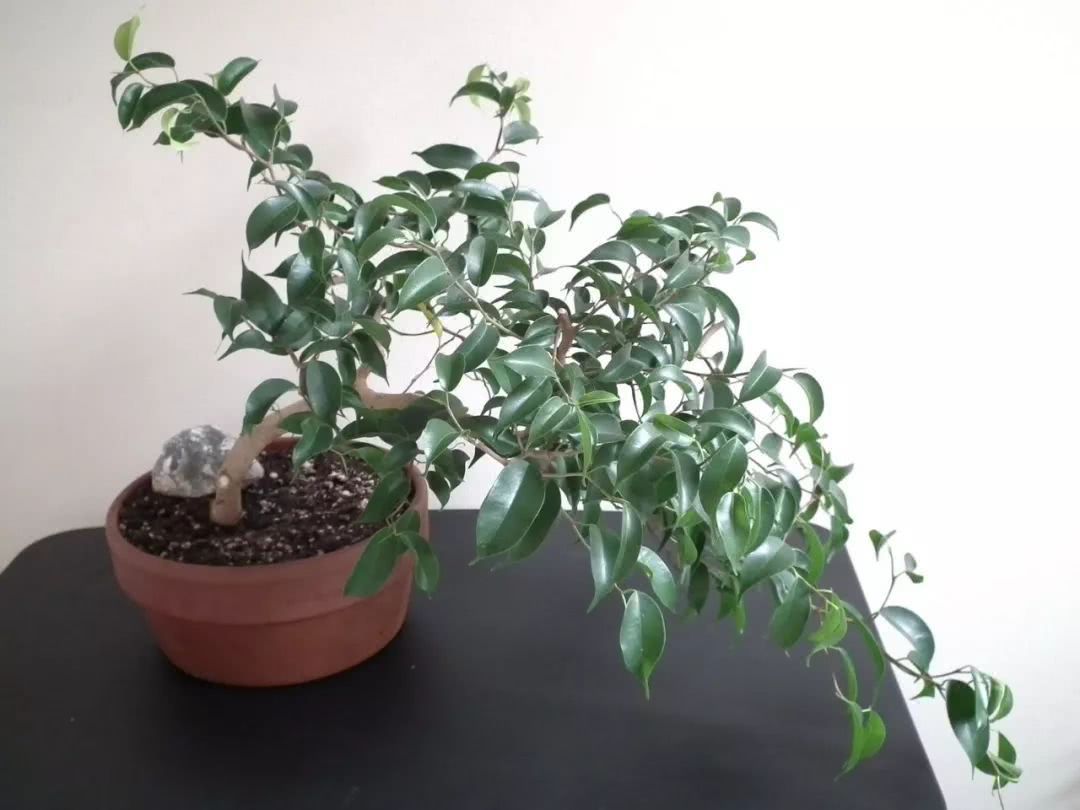
Ficus microcarpa is great at purifying the air, and grown at home it becomes a beautiful bonsai
Below we introduce a potted plant that is excellent at purifying the air, namely Ficus microcarpa; some varieties have leaf spots and are called variegated Ficus, and all are very popular indoor air-purifying plants that need little regular care indoors and can stay...
条件筛选