-
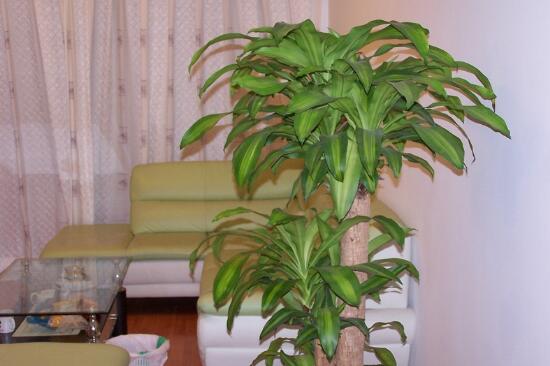
How to grow Dracaena fragrans? Cultivation methods and precautions, avoid direct sun exposure
Dracaena fragrans, also called the corn plant, has a sturdy, handsome form and leaves that stay crisp and green in all four seasons. It is currently one of the most popular foliage plants and is widely loved by gardening enthusiasts. In daily life, many people want to grow a Dracaena fragrans, so how do you grow it? Below is a carefully compiled guide to Dracaena fragrans cultivation methods and precautions.
-
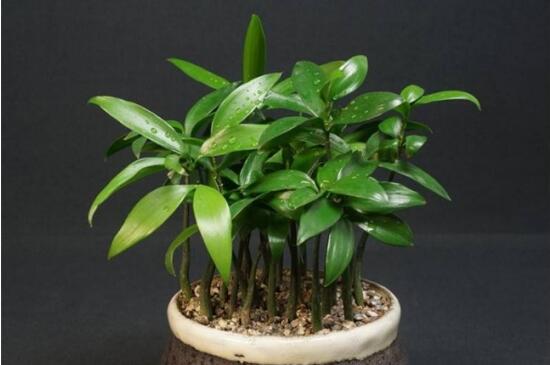
How to grow potted Buddhist pine (Podocarpus macrophyllus)? Growing methods and precautions, avoid harsh sun exposure
Regarding the Buddhist pine, I believe gardening enthusiasts have all heard of it. It is neither bamboo nor cypress, with a graceful form, and is a beautiful foliage plant. In daily life, because of the Buddhist pine's powerful benefits, many people want to grow it at home, so how do you grow a potted Buddhist pine? Below are the growing methods and precautions for the Buddhist pine carefully compiled by the editor
-
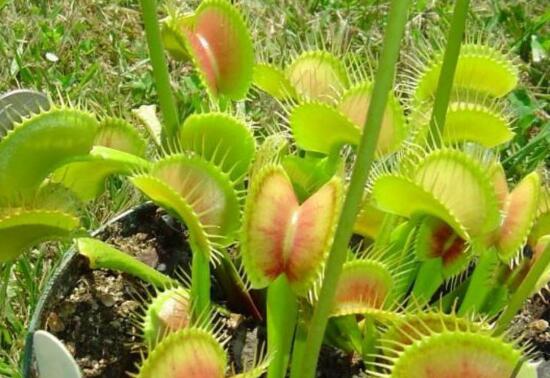
What to Do When Venus Flytraps Get Pests? Pest and Disease Control and Leaf Softening Dehydration Disease: Stop Light Exposure
When it comes to the Venus flytrap, everyone knows it is a mosquito-repelling plant whose traps can attract insects and then snap them dead in an instant. But did you know? If not cared for properly, even the insect-eating Venus flytrap can get pests. What should you do then? Here are several common Venus flytrap pests and diseases
-
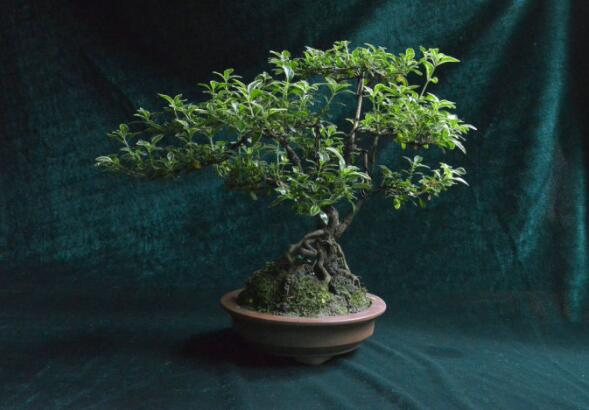
5 techniques for root-exposure on potted Serissa japonosa, get the concept right for greater ornamental appeal
Serissa japonosa, also known as "stars in the sky", though small in size, has well-spaced branches and leaves, making it an excellent target for bonsai, and especially the most suitable species for root-exposure styles. What is root exposure? It means exposing the plant's roots to increase the ornamental effect. So how do you expose the roots of a potted Serissa japonosa? Below are 5 techniques summarized by the editor, very simple
-

Four Effects on Rice After Exposure to High Temperatures
Rice has different temperature requirements at each growth and development stage, and there is an optimal temperature for each. If the upper or lower critical temperature limit is exceeded, abnormal phenomena, namely physiological disorders, will appear in the growth and development of rice. Therefore, attention should be paid to the effects of high temperatures on rice. 1. Effects of high temperatures on each growth stage of rice. 1. Heading and flowering stage. Generally, rice prefers a temperature of 25-30°C during the heading and flowering stage. When the temperature is below 25°C or above 30°C, large numbers of empty and shriveled grains will appear in rice. At the same time, high temperatures also
-

Which plants fear rain and sun exposure in summer? This article is all you need
Summer is a season of high temperature and high humidity, which is bad for the growth of flowers and plants. Below are how some common potted flowers react to high humidity. Flower lovers should pay more attention to preventing dampness, so that the flowers they have painstakingly cultivated do not die. In home potted cultivation, cacti and cactus balls (Echinopsis) are fairly drought-tolerant, and the water used for watering must be clean, without any dirt
-

How to expose the roots of Chinese ash (Fraxinus chinensis)? Detailed explanation of root-exposure methods
How to expose the roots of Chinese ash: root-exposure methods for Chinese ash
-
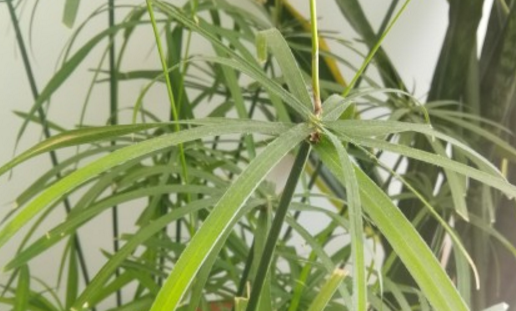
Hydroponic Methods for Umbrella Papyrus (Cyperus alternifolius) in the Sedge Family, with Answers to Sun Exposure and Root Rot Problems
Umbrella papyrus, also known as umbrella plant, water bamboo, water palm, and windmill grass, so what is the hydroponic method for umbrella papyrus? Can it be exposed to the sun? What to do about root rot? According to the information available, umbrella papyrus likes a warm and slightly humid environment, needs ventilation and sunlight, and a shaded environment is best; just do not expose it to the scorching sun.
-
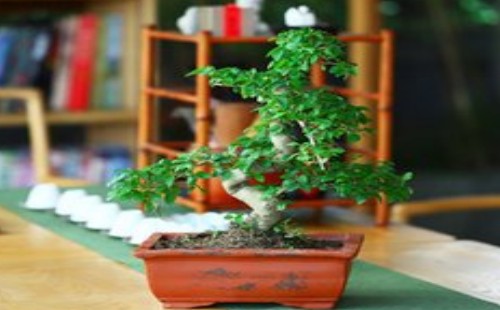
Will Sageretia thea be killed by scorching sun exposure?
Gardeners who have grown flowers and plants in pots naturally know that light plays a very important role for green plants. After all, plants need to carry out photosynthesis, and even shade-loving and shade-tolerant plants need photosynthesis to promote metabolism and achieve growth through the cycle of renewal.
-
Green persimmon juice grows more beautiful with sun exposure; Xinpu Persimmon Dye Workshop brews plain fashion over ten years
Persimmon dye, the sun's dye, grows more beautiful with sun exposure; Xinpu Persimmon Dye Workshop has cultivated it for ten years, brewing green persimmon juice into plain fashion
条件筛选