How to grow potted Buddhist pine (Podocarpus macrophyllus)? Growing methods and precautions, avoid harsh sun exposure
Regarding the Buddhist pine, I believe gardening enthusiasts have all heard of it. It is neither bamboo nor cypress, with a graceful form, and is a beautiful foliage plant. In daily life, because of the Buddhist pine's powerful benefits, many people want to grow it at home, so how do you grow a potted Buddhist pine? Below are the growing methods and precautions for the Buddhist pine carefully compiled by the editor, very detailed, friends who want to grow it must take a look~
I. How to grow a potted Buddhist pine, understand its habits
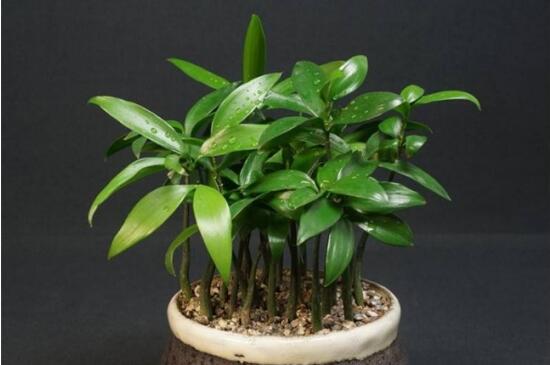
The Buddhist pine likes a warm, humid, semi-shaded environment. It is shade-tolerant and cold-tolerant, and hates waterlogging, so how do you grow a potted Buddhist pine? You should place it indoors in a spot with light but out of direct strong sunlight, and water and fertilize it in a timely manner. As for the potting soil, it is best to use loose, fertile, well-draining, slightly acidic sandy loam.
II. Growing methods and precautions for the Buddhist pine
1. Soil
How to grow a potted Buddhist pine, first of all you should reselect the potting soil. Because today's gardening enthusiasts mostly buy their potted plants online, and that soil is very cheap. Normal care can ensure the plant's growth, but if you want the Buddhist pine to grow robustly with deeper green leaves, it is best to reselect the soil.
Soil selection: According to the Buddhist pine's growth habits, it has strict soil requirements and likes loose, fertile, well-draining, slightly acidic sandy loam. For this, the editor recommends using soil mixed with leaf mold or peat soil, garden soil, and sand in a 3:2:1 ratio.
2. Light
Light is key to plant growth, but the Buddhist pine is a shade-tolerant tree species, with a need for light but not a high one. When grown indoors, the Buddhist pine grows faster in semi-shade than in a well-lit spot. Give it 500-800 hours of light per year (1-2 hours of light per day is enough).
Precautions: The Buddhist pine is fairly shade-tolerant and grows best in suitable diffused light, but it fears direct strong sunlight. From May to September when the light is relatively strong, you should pay attention to shading, and it is best to set up a shade net above the pot, otherwise after being exposed to strong light, the root collar will suffer sunscald or die.
3. Temperature
In the growing methods for the Buddhist pine, timely temperature adjustment is also very necessary. It is understood that the Buddhist pine likes a warm environment, with the most suitable growth temperature being 18-26°C. It has decent cold tolerance, withstanding low temperatures down to minus 7°C, so in southern winters, it does not need to be moved indoors to be warmed.
4. Watering
The Buddhist pine likes a humid growing environment, so in the growing methods for the Buddhist pine, watering is a very important part. However, the Buddhist pine hates waterlogging, so the amount and frequency of watering must be well controlled. It is best to water after the potting soil has dried, keeping the soil slightly moist. In addition, when the weather is relatively dry, you should spray water on the leaves more often to increase air humidity, which can make the leaf color deep green and glossy.
5. Fertilizing
How to grow a potted Buddhist pine? Having covered watering, let's talk about fertilizing, which gardening enthusiasts also need to pay attention to during the Buddhist pine's growth. Generally speaking, the Buddhist pine does not need fertilizing, but to ensure its leaf color is deep green, during the spring and autumn peak growth seasons, you should apply alum fertilizer water once a month.
6. Pruning
As a beautiful foliage plant, if the Buddhist pine is to maintain a perfect shape year-round, timely pruning is indispensable. When temperatures are low in winter, the Buddhist pine enters a dormant or semi-dormant state. At this time you can cut off weak branches, diseased and pest-infested branches, overly dense branches, dead branches, etc. This not only prevents pests and diseases but also maintains a beautiful plant shape.
7. Pests and diseases
During the process of growing the Buddhist pine, due to reasons such as high air humidity and poor ventilation, the Buddhist pine is prone to pests and diseases such as black spot, powdery mildew, anthracnose, aphids, scale insects, and leaf miners, which will seriously affect the plant's ornamental value. For this, you should carry out timely prevention and control upon discovery; for this you can refer to pest and disease control for the Buddhist pine.
How to grow the Buddhist pine, growing methods and precautions for potted Buddhist pine
The potted Buddhist pine is evergreen year-round, with deep green leaves and a graceful posture. It can emit wafts of fragrance all year round, has air-purifying and mosquito-repelling effects, and is extremely shade-tolerant, making it very suitable for display in meeting venues, courtyards, and indoors. It is one of the increasingly popular potted flowers and trees. Many gardening enthusiasts do not know how to grow the Buddhist pine. This article introduces the growing methods and precautions for the potted Buddhist pine.
Growing methods and precautions for potted Buddhist pine
The Buddhist pine likes a warm, humid, semi-shaded environment and fears harsh sun exposure. For a potted Buddhist pine, you can choose a one- or two-year-old plant; because the plant is slender and weak, several plants are often planted together in one pot. When planting, refer to the method for making a bamboo bonsai, paying attention to the staggered heights and the positions front, back, left, and right, so that the spacing is appropriate, delicate, and elegant. You can also spread a layer of stones or moss on the surface of the potting soil to increase ornamental value. Depending on the different artistic conception expressed, you can also place ceramic ornaments such as giant pandas and shepherd boys on the pot surface to make it more interesting.
From May to September when the light is relatively strong, pay attention to shading. You can set up a shade net or place the flower pot in a spot without direct sunlight for care, so as to avoid strong direct light scorching the root and stem area and causing the plant to die. During the growing season, keep the potting soil moist but not waterlogged; both excessive drought and waterlogging are unfavorable to the plant's normal growth. Frequently spray water on the leaves and around the plant to increase air humidity, making the leaf color deep green and glossy, and preventing the leaf edges from drying out due to dry air. Potted plants do not need to grow too fast, so generally no additional fertilizing is needed, but to ensure the leaf color is deep green, you can apply alum fertilizer water two or three times during the peak growth season. During cultivation, pay attention to pruning and shaping, cutting off branches that affect the plant's appearance and removing aged and yellowed leaves, so as to control the plant height and maintain a graceful shape. In winter, place it in a bright indoor spot, control watering, and it can safely overwinter as long as the temperature is not below 0°C. Repot once every spring; the potting soil can be a mix of 3 parts leaf mold or peat soil, 2 parts garden soil, and 1 part sand.
The Buddhist pine is commonly propagated by methods such as sowing, cuttings, and layering.
1. Sowing:Seeds can be sown in a greenhouse as soon as they are collected, or sown outdoors in spring. After sowing, cover with 2-3 cm of soil and cover with straw or weeds for shading. Seeds begin to germinate after 20 days. Afterwards, gradually remove the covering, and the seedlings emerge completely in 30 to 50 days. Because the seedlings' root systems are not fully developed, waterlogging, heavy rain, high temperatures, and harsh sun exposure can all cause their death, so routine management must be done with extra care.
2. Cuttings:Generally carried out in March, and mid-September is also fine. Cut off tender branches of the current year or one-year-old branches as cuttings, and cut off some leaves to reduce water evaporation and ensure survival. You can also treat them with rooting powder and other substances to promote rooting. Insert them into coarse sand, vermiculite, or other media with good drainage and aeration. After inserting, water and spray frequently, keep the medium and air moist, avoid harsh sun exposure, and the survival rate is quite high.
3. Layering:The air layering method is mostly used. During the growing season, select a robust, well-developed one-year-old branch, make a ring cut at a suitable position, then wrap soil around the wound, wrap the soil tightly with a plastic bag, and keep it moist. After rooting, cut it off and plant it in a pot.
The above is the relevant introduction to the growing methods and precautions for the potted Buddhist pine, hoping to help everyone understand how to grow the Buddhist pine. In fact, growing a potted Buddhist pine is not very difficult. I believe that through the careful care of gardening enthusiasts, it will certainly grow healthily.
Growing methods and precautions for the Buddhist pine, sharing how to grow the Buddhist pine
The potted Buddhist pine is evergreen year-round, with deep green leaves and a graceful posture. It can emit wafts of fragrance all year round, has air-purifying and mosquito-repelling effects, and is extremely shade-tolerant, making it very suitable for display in meeting venues, courtyards, and indoors. It is one of the increasingly popular potted flowers and trees. So what are the growing methods and precautions for the Buddhist pine? Below wed114 wedding website shares with you the correct way to grow the Buddhist pine.
Growing methods and precautions for the Buddhist pine, sharing how to grow the Buddhist pine
Growing methods and precautions for the Buddhist pine
1. Light: The Buddhist pine is a shade-tolerant tree species. It is understood that the same Buddhist pine grows 5 or 6 times faster on a shady slope than on a sunny slope. If the Buddhist pine is planted on a sunny slope and encounters direct strong light, the root collar will suffer scorching or die.
2. Soil: The Buddhist pine has relatively strict soil requirements. It generally only grows in places such as sandy shale, granite, and metamorphic rock. Of course, it is even better if the geological parent rock is deep, loose, moist, with a thick humus layer, and acidic. The Buddhist pine likes mountain yellow soil and brown forest soil, and grows especially rapidly in sandy loam.
3. Pruning: In winter, the Buddhist pine enters a dormant or semi-dormant state. At this time, you can cut off some weak, diseased and pest-infested, dead, and overly dense branches. This not only makes the shape more attractive but also prevents the occurrence of pests and diseases.
Growing methods and precautions for the Buddhist pine, sharing how to grow the Buddhist pine
Propagation methods for the Buddhist pine
1. Sowing: Seeds can be sown in a greenhouse as soon as they are collected, or sown outdoors in spring. After sowing, cover with 2-3 cm of soil and cover with straw or weeds for shading. Seeds begin to germinate after 20 days. Afterwards, gradually remove the covering, and the seedlings emerge completely in 30 to 50 days. Because the seedlings' root systems are not fully developed, waterlogging, heavy rain, high temperatures, and harsh sun exposure can all cause their death, so routine management must be done with extra care.
2. Cuttings: Generally carried out in March, and mid-September is also fine. Cut off tender branches of the current year or one-year-old branches as cuttings, and cut off some leaves to reduce water evaporation and ensure survival. You can also treat them with rooting powder and other substances to promote rooting. Insert them into coarse sand, vermiculite, or other media with good drainage and aeration. After inserting, water and spray frequently, keep the medium and air moist, avoid harsh sun exposure, and the survival rate is quite high.
3. Layering: The air layering method is mostly used. During the growing season, select a robust, well-developed one-year-old branch, make a ring cut at a suitable position, then wrap soil around the wound, wrap the soil tightly with a plastic bag, and keep it moist. After rooting, cut it off and plant it in a pot.
Growing methods and precautions for the Buddhist pine, sharing how to grow the Buddhist pine
Precautions for growing the Buddhist pine
1. The Buddhist pine likes a warm, humid, semi-shaded environment and fears harsh sun exposure. For a potted Buddhist pine, you can choose a one- or two-year-old plant; because the plant is slender and weak, several plants are often planted together in one pot. When planting, refer to the method for making a bamboo bonsai, paying attention to the staggered heights and the positions front, back, left, and right, so that the spacing is appropriate, delicate, and elegant. You can also spread a layer of stones or moss on the surface of the potting soil to increase ornamental value. Depending on the different artistic conception expressed, you can also place ceramic ornaments such as giant pandas and shepherd boys on the pot surface to make it more interesting.
2. From May to September when the light is relatively strong, pay attention to shading. You can set up a shade net or place the flower pot in a spot without direct sunlight for care, so as to avoid strong direct light scorching the root and stem area and causing the plant to die. During the growing season, keep the potting soil moist but not waterlogged; both excessive drought and waterlogging are unfavorable to the plant's normal growth. Frequently spray water on the leaves and around the plant to increase air humidity, making the leaf color deep green and glossy, and preventing the leaf edges from drying out due to dry air. Potted plants do not need to grow too fast, so generally no additional fertilizing is needed, but to ensure the leaf color is deep green, you can apply alum fertilizer water two or three times during the peak growth season. During cultivation, pay attention to pruning and shaping, cutting off branches that affect the plant's appearance and removing aged and yellowed leaves, so as to control the plant height and maintain a graceful shape. In winter, place it in a bright indoor spot, control watering, and it can safely overwinter as long as the temperature is not below 0°C. Repot once every spring; the potting soil can be a mix of 3 parts leaf mold or peat soil, 2 parts garden soil, and 1 part sand.
3. Buddhist pines grown at home will generally suffer from pests and diseases to a greater or lesser extent, mainly including red spider mites, scale insects, anthracnose, leaf spot, etc. What needs attention here is how to prevent and control them. For example: to control red spider mites, spray dicofol, hexythiazox, etc.; to kill scale insects, spray chlorpyrifos, methidathion, etc.; to treat anthracnose and leaf spot, spray carbendazim, thiophanate-methyl, difenoconazole, etc.