How to expose the roots of Chinese ash (Fraxinus chinensis)? Detailed explanation of root-exposure methods
How to expose the roots of Chinese ash: root-exposure methods for Chinese ash! To make Chinese ash more artistically ornamental, you should do a good job of root exposure during the growing process. So how exactly do you carry out root exposure? Let's take a detailed look below!
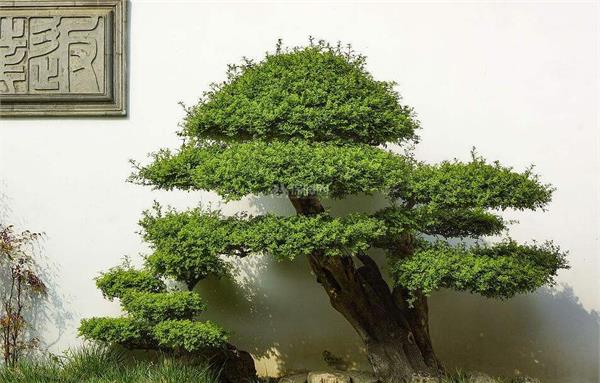
1. By washing away the soil around the base of the roots, expose the roots of the Chinese ash. In real life, you can use a small knife, bamboo skewer, wooden stick, or similar object to gently pry the soil loose, and then when watering, let the water wash away the soil at the base of the tree, so that the plant's roots become exposed.
2. Achieve the goal of root exposure during the process of repotting. Repotting is an unavoidable process in growing bonsai, so you can take advantage of the opportunity when repotting to achieve the goal of root exposure. When repotting, you should give the roots of the Chinese ash simple treatment, then plant it into the flower pot. When planting, you can raise the original tree appropriately above the pot surface, then trim the fine roots that rise above the pot surface, so that the base roots are exposed, thereby achieving the goal of root exposure.
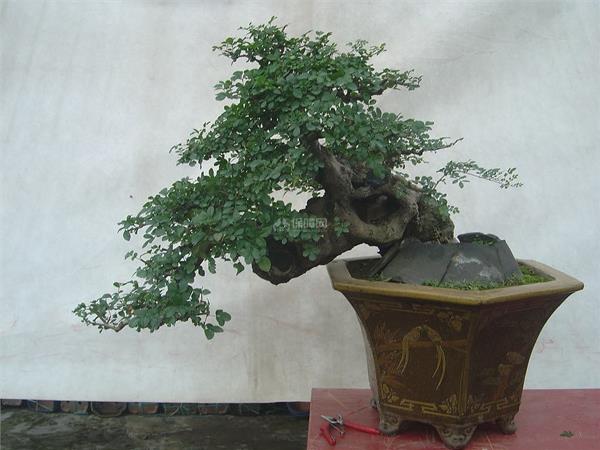
3. Achieve the goal of root exposure through the method of pot stacking. You can cut through the flower pot in which the Chinese ash is planted, then place it in a new flower pot. After the Chinese ash grows new roots, you can remove the soil from the upper pot according to the plant's growth condition. After the Chinese ash has grown fully well in the new pot, you can remove the original flower pot. In this way, aren't the roots of the Chinese ash exposed?
4. Achieve the goal of root exposure through the method of pressing the roots down. This method is generally suitable for rock-clinging bonsai. Press the plant's roots into the crevices of the stone and fix them with rope or copper wire, then use a covering material to wrap part of the junction where the roots meet the stone, and cover it with soil. After the plant has grown well, you can remove the covering material. In this way, not only is the goal of root exposure achieved, but at the same time the root system of the Chinese ash grows thick and strong and clings tightly to the stone crevices, with a natural and vivid form, making the tree and stone blend into one whole.
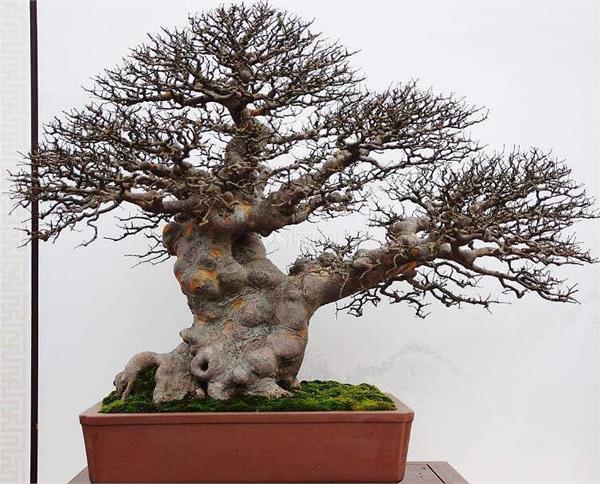
How to expose the roots of Chinese ash: root-exposure methods for Chinese ash! The above is an explanation of some root-exposure methods for Chinese ash, and we hope it will be helpful to everyone. If the bonsai tree species you grow is Chinese ash, then you can adopt these four methods to make your bonsai look even better!