Which plants fear rain and sun exposure in summer? This article is all you need
Home potted cacti
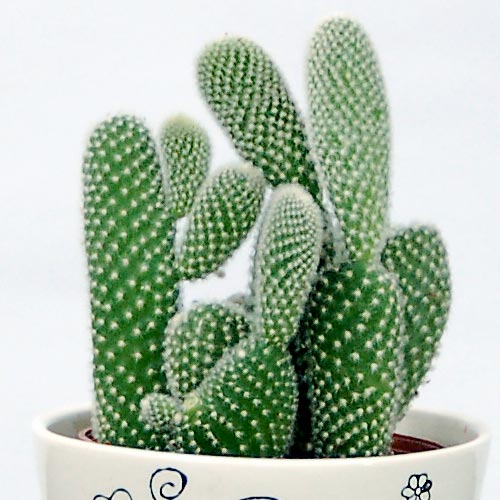
Cactus balls (Echinopsis) are fairly drought-tolerant, and the water used for watering must be clean, without any dirt. For cactus balls whose tops are sunken or that have down and long hairs, after being rained on, water gets into the sunken parts and very easily causes rot.
After being rained on, gloxinia (Sinningia speciosa) easily develops yellowing leaves and rotting root tubers, and in severe cases the whole plant dies.
The roots of winter daphne (Daphne odora) are fleshy, tolerant of dryness and averse to dampness, so it should be planted in a high, airy spot. If it is hit by wind and rain in summer, it will immediately wilt and die.
Asparagus fern (Asparagus setaceus) requires the potting soil to alternate between moist and dry. Too much water in the pot, or waterlogged soil after rain, will cause root rot or yellowing, withered branches and leaves.
After being rained on, clivia (Clivia miniata) carries various bacteria and dust into its center. Under conditions of high temperature and poor ventilation, this easily forms lesions, and the leaves begin to rot from the leaf base.
The roots of dahlia are fleshy roots. Too much water in the soil combined with poor ventilation easily causes root rot.
Wax begonia (Begonia semperflorens-cultorum) goes dormant in midsummer and does not need excessive water. If it is soaked by rainwater, the roots rot extremely easily.
Orchids most taboo excessively wet potting soil, and in summer rain should be kept off them, otherwise the leaves easily turn yellow or the roots rot and the plant dies. Fuchsia (Fuchsia hybrida) enters a semi-dormant state in summer, and the potting soil must not be too wet; especially after being rained on, it easily suffers root rot and leaf drop.
Which plants fear summer rain and sun exposure?
Summer is a season of high temperature and high humidity, which is bad for the growth of flowers and plants. Below are how some common potted flowers react to high humidity. Flower lovers should pay more attention to preventing dampness, so that the flowers they have painstakingly cultivated do not die.
After being rained on, clivia (Clivia miniata) carries various bacteria and dust into its center. Under conditions of high temperature and poor ventilation, this easily forms lesions, and the leaves begin to rot from the leaf base.
Fuchsia (Fuchsia hybrida) enters a semi-dormant state in summer, and the potting soil must not be too wet; especially after being rained on, it easily suffers root rot and leaf drop.
The roots of dahlia are fleshy roots. Too much water in the soil combined with poor ventilation easily causes root rot.
The roots of winter daphne (Daphne odora) are fleshy, tolerant of dryness and averse to dampness, so it should be planted in a high, airy spot. If it is hit by wind and rain in summer, it will immediately wilt and die.
After being rained on, gloxinia (Sinningia speciosa) easily develops yellowing leaves and rotting root tubers, and in severe cases the whole plant dies.
Asparagus fern (Asparagus setaceus) requires the potting soil to alternate between moist and dry. Too much water in the pot, or waterlogged soil after rain, will cause root rot or yellowing, withered branches and leaves.
Wax begonia (Begonia semperflorens-cultorum) goes dormant in midsummer and does not need excessive water. If it is soaked by rainwater, the roots rot extremely easily.
Cactus balls (Echinopsis) are fairly drought-tolerant, and the water used for watering must be clean, without any dirt. For cactus balls whose tops are sunken or that have down and long hairs, after being rained on, water gets into the sunken parts and very easily causes rot.
Orchids most taboo excessively wet potting soil, and in summer rain should be kept off them, otherwise the leaves easily turn yellow or the roots rot and the plant dies.
Seven flowers that bloom better the more rain they get, easy to grow and very fresh and beautiful!
Recently, heavy rain has swept across the country, and many people say their outdoor-grown flowers have been battered, with withered branches and fallen leaves everywhere, a pitiful sight. But some flowers bloom better the more rain they get; when wind and rain rage, that is the day they hold their heads high and bloom in full glory. Today the editor will introduce these flowers to you one by one!
1. Rain lily
Rain lily (Zephyranthes) often suddenly blooms in full glory after heavy rain. Its leaves look like those of orchid grass, hence the name rain lily, and because its flower shape resembles a lily, it is also called rain lily (rain lily). Rain lilies are especially easy to grow; usually just rough care is enough, with no need for meticulous attention.
Care tips
1. Soil: Rain lilies have low soil requirements, and when planted in the ground they can be grown any way. For potted plants, the soil can be made by mixing sandy soil with leaf mold and garden soil.
2. Watering: Watering does not need to follow a fixed frequency; just observe the weather conditions and the wet-dry state of the potting soil. In summer, water in the morning and evening, and just keep the potting soil moist.
3. Light: It is best to place rain lilies in an environment with ample sunlight. As long as they are not exposed to harsh direct sun, they can safely get through summer.
4. Fertilizing: Fertilize sparingly in summer; applying a thin compound fertilizer once every 2 months is enough.
5. Pruning: Rain lilies generally can bloom until September. After the flowers fade, cut short the spent flower stems and thin branches to prevent leggy growth.
2. Purple shamrock
Purple shamrock (Oxalis triangularis) likes a moist environment and always grows impressively during the plum rain season. Moderate rain helps the growth and development of its flowers and leaves; as long as standing water is drained promptly, the flowering period can last as long as 8 months.
Care tips
1. Temperature: When the summer temperature exceeds 35°C, purple shamrock will slowly enter a semi-dormant period, showing signs such as curled and dried leaves. At this time, ventilation must be strengthened and water sprayed to lower the temperature.
2. Watering: After semi-dormancy, reduce watering, frequently spray the leaves, and just keep the potting soil slightly moist. After rain, drain away standing water to avoid root rot.
3. Light: Purple shamrock leaves have strong phototropism. During growth, turn the pot direction frequently to make the plant shape more attractive, but when the light is too strong, shade it to avoid sunscald.
4. Pruning: When the plant grows too vigorously and the leaves are too dense, be sure to prune or simply cut off the top. This both improves ventilation conditions and reduces the occurrence of pests and diseases, and also allows new leaves to grow, making the plant shape more attractive.
3. Fire lily
The delicate and compact fire lily (Cyrtanthus) especially likes a moist environment. Some flower lovers, during the plum rain season, let their fire lilies be rained on for 2 months, and they were not damaged by the rain; instead, after a period of time, they bloomed another round of flowers!
Care tips
1. Soil: Fertile, loose, well-drained sandy soil, peat soil or leaf mold are all suitable.
2. Watering: Fire lilies do not like too dry a soil environment. Except in winter, water diligently at other times to keep the soil moist.
3. Light: Fire lilies like light. Give them full sun in the morning and afternoon, and appropriate shade at noon.
4. Lotus
Lotus, as an aquatic plant, will not have its growth and flowering affected by moderate rain. After the rain, the lotus is fresh and bright, clear and elegant, truly "a lotus rising pure from clear water."
Care tips
1. Soil: Lotus likes slightly acidic soil. Fertile river mud, pond mud and paddy field mud are all natural slightly acidic soils, suitable for lotus growth!
2. Light: Lotus is extremely intolerant of shade and needs full-sun management. With insufficient light, it easily suffers disease, and the flowers will gradually close.
3. Watering: Summer is the vigorous growth period for lotus, and potted lotus must not lack water. When you see it wilting, water it right away. Note: let tap water sit for one or two days before use.
4. Fertilizing: Lotus likes fertilizer. In summer, during vigorous growth and the flowering period, apply once a week a topdressing of decomposed cake fertilizer water or diluted liquid compound fertilizer. If the soil itself is fertile enough, no fertilizing is needed all year.
5. Pennywort
Pennywort (Hydrocotyle vulgaris) is robust by nature, amphibious, and best withstands wind, sun and rain. Grown in a water tank in summer, it fills the pot within a couple of days, round and plump and green, and just looking at it lifts your mood.
Care tips
1. Soil: Pennywort has low soil requirements; loose, breathable, well-drained soil is enough.
2. Watering: In summer, temperatures are high and pennywort has many leaves, so water is easily lost. Water once each in the morning and evening every day, and also spray water frequently to keep it moist and cool.
3. Light: Pennywort likes light and needs 4-6 hours of light each day.
4. Fertilizing: During the vigorous growth period, apply a thin liquid nitrogen fertilizer once every 2-3 weeks, using light, frequent applications.
6. Maidenhair fern
Maidenhair fern (Adiantum) is originally a wild fern, mostly growing in dark, damp environments. After being rained on, its growth speed increases, making it especially suitable for rooms with poor lighting.
Care tips
1. Soil: Calcareous soil or leaf mold mixed with river sand is quite suitable for maidenhair fern growth.
2. Watering: Maidenhair fern likes water. Water it 1-2 times every day; if it lacks water, the leaves will shrivel.
3. Light: Maidenhair fern is suited to a semi-shaded environment. In summer, it is best placed on a north-facing windowsill, and outdoors it needs shading.
4. Fertilizing: Apply a thin liquid fertilizer 2-3 times a month. When fertilizing, do not stain the leaf surface, to avoid causing leaf rot. You can also add some crushed eggshell to the potting soil to supplement the calcium the plant needs for growth.
7. Mint
Mint has extremely strong vitality. Because it likes light and moisture, it is very tolerant of sun and rain. In summer, place it on a south-facing balcony, give it plenty of water, and it will fill the pot.
Care tips
1. Soil: Ordinary garden soil, humus soil and sandy loam are all fine.
2. Watering: In summer, be sure to water enough, once each in the morning and evening, to keep the potting soil moist. Be careful not to let water accumulate, to avoid root rot.
3. Light: Mint is a long-day plant, and direct light will not scorch it. On the contrary, with insufficient light, the leaves become dull and wither.
4. Pinching: Mint grows vigorously in summer, and you need to pinch the tips frequently for it to fill the pot.
The above are these seven flowers. Which one do you like best? The editor's favorite is pennywort; its round little leaves are very cute, and a pot of lush green is especially refreshing to look at. If you want to grow outdoor flowers that are not afraid of heavy rain, you can choose it.