How to grow Dracaena fragrans? Cultivation methods and precautions, avoid direct sun exposure
Dracaena fragrans, also called the corn plant, has a sturdy, handsome form and leaves that stay crisp and green in all four seasons. It is currently one of the most popular foliage plants and is widely loved by gardening enthusiasts. In daily life, many people want to grow a Dracaena fragrans, so how do you grow it? Below is a carefully compiled guide to Dracaena fragrans cultivation methods and precautions. It is very detailed, so anyone who wants to grow one should definitely take a look~
I. How to grow Dracaena fragrans: understand its habits
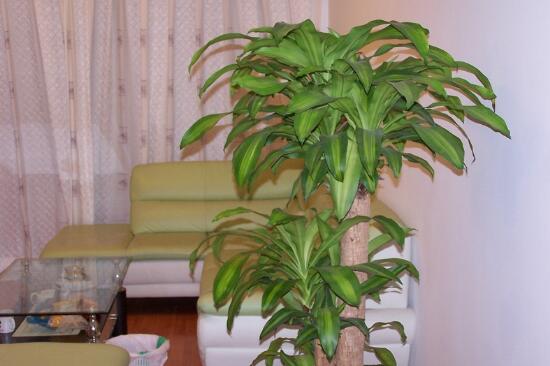
Dracaena fragrans likes a hot and humid environment. It is afraid of waterlogging, is not cold-tolerant, and dislikes long periods of shade and direct sun exposure. So how do you grow Dracaena fragrans? You should place it in a ventilated spot with bright, indirect light. In daily care, water it moderately to keep the potting soil slightly moist, and take good cold-protection measures in winter. As for the growing medium, it is best to use loose, fertile soil that drains well and contains humus.
II. Dracaena fragrans cultivation methods and precautions
1. Pot and soil
How do you grow Dracaena fragrans indoors? I suggest preparing the pot and soil. Nowadays, when people grow Dracaena fragrans, they like to buy online, and there are ready-made pots and soil, but these are very cheap. They are fine for normal care, but if you want to grow Dracaena fragrans well, it is best to choose a new pot and soil.
Pot: The pot for Dracaena fragrans needs to be chosen according to the plant's stems. Generally speaking, a pot with a 12-20 cm diameter is enough, but for a Dracaena fragrans with 3 stems, use a pot with a 25 cm diameter.
Soil: According to the growth habits of Dracaena fragrans, it likes loose, fertile soil that drains well and contains humus. For this, I recommend using a soil mixed in equal proportions of peat soil, leaf mold, garden soil, and perlite.
2. Light
In Dracaena fragrans cultivation methods, light is very important, but it is highly adaptable to light and can grow normally in either semi-shade or sunlight. However, Dracaena fragrans dislikes long periods of shade and direct sun exposure, and except in summer, it needs at least 3 hours of direct sunlight each day. So when growing it indoors, it is best to place it in a bright, well-ventilated spot.
Precautions: Although Dracaena fragrans is shade-tolerant, it cannot have too little light, otherwise the leaves will turn yellow. However, Dracaena fragrans dislikes direct sun exposure. In summer, avoid direct sunlight to prevent the leaves from being scorched by the sun, and you can choose a shade cloth or other cover for shading.
3. Temperature
How do you grow Dracaena fragrans? Adjusting the temperature in good time is also very important. It is understood that the most suitable growing temperature for Dracaena fragrans is 18-24°C, of which 24-30°C is suitable from March to September, and 13-18°C from September to March of the following year. If you can always meet the growth needs of Dracaena fragrans, it will grow lush branches and leaves.
Precautions: Dracaena fragrans is not cold-tolerant. In winter, when the temperature is below 13°C, it enters dormancy, and below 5°C the plant suffers cold damage. So if you want it to overwinter safely, it is best to keep the room temperature above 10°C in winter.
4. Watering
Water is the source of life, so in Dracaena fragrans cultivation methods, watering is a very important part. Dracaena fragrans likes a humid environment. In daily care, water it about once every 10 days, and keep the potting soil half-dry and half-moist. In winter, the plant enters dormancy, so at this time try to keep the potting soil on the drier side.
Precautions: Dracaena fragrans dislikes waterlogging. When watering it, you must not give too much, otherwise after water accumulates in the potting soil, the trunk will rot. In addition, when growing it in the north, because the air is very dry, you also need to frequently spray water on the leaf surface and the surrounding ground to increase the surrounding air humidity, which helps Dracaena fragrans grow.
5. Fertilizing
How do you grow Dracaena fragrans? After finishing that, let's talk about fertilizing, which is also very important in the growth process of Dracaena fragrans. Dracaena fragrans likes fertilizer. During the growing season, gardening enthusiasts should fertilize Dracaena fragrans once every half month. In addition, you can also properly apply foliar fertilizer by spraying the leaves with a nutrient solution diluted 100 times, once every half month.
Precautions: When fertilizing Dracaena fragrans, you must not apply too much, especially nitrogen fertilizer, which should not be applied too much, otherwise the golden-yellow markings on the leaves will be less obvious and the ornamental effect will be affected. In addition, by September, you should stop applying nitrogen fertilizer and apply phosphorus and potassium fertilizer two or three times in about a month, to increase the plant's cold resistance.
6. Repotting
During the growth process of Dracaena fragrans, as time passes, the plant will consume a large amount of nutrients in the pot. So for the healthy growth of the plant, gardening enthusiasts should repot it in spring, with young plants repotted once a year and older plants repotted once every 2 years.
7. Pests and diseases
In Dracaena fragrans cultivation methods, pests and diseases are also something everyone needs to pay attention to. It is understood that under improper care, Dracaena fragrans will suffer from insect pests and diseases, seriously affecting the plant's health and appearance. So after discovering a problem, you should immediately spray pesticide for control. As for what pesticide to spray, there is a detailed introduction in the pest and disease control section for Dracaena fragrans, so I will not say more here.
Overall, Dracaena fragrans is quite easy to grow, but if you want to grow it beautifully, you need to put in more effort and care for it according to the requirements above, so that it can grow lush branches and leaves. Regarding Dracaena fragrans cultivation methods and precautions, that is all for this introduction. Gardening enthusiasts who are tempted might as well try growing one~
What to do when Dracaena fragrans leaves turn yellow: supplement light and avoid strong light / reasonable water and fertilizer are key
As a kind of foliage plant, Dracaena fragrans has broad, fresh green leaves that spread out to both sides, and paired with its sturdy, handsome form, it looks especially beautiful. But during cultivation, many gardening enthusiasts' Dracaena fragrans develops yellow leaves, seriously affecting the plant's ornamental value. So what should you do when Dracaena fragrans leaves turn yellow? Today I will help everyone solve this problem.
I. What to do when Dracaena fragrans leaves turn yellow
When it comes to Dracaena fragrans leaves turning yellow, besides an unsuitable environment, it is caused by improper care: if there is insufficient light, then supplement light; if yellowing is caused by scorching sun exposure, then shade it promptly; if there is too much watering, loosen the soil more, and if there is root rot, cut it off, then change the potting soil and replant; if the branches and leaves are too dense, simply prune promptly.
II. Causes of Dracaena fragrans leaves turning yellow and solutions
1. Sudden environmental change
There are many causes of Dracaena fragrans leaves turning yellow. You can first consider whether there is a problem with the growing environment. This situation generally appears in newly bought potted plants, because gardening enthusiasts mostly buy online, which can easily cause a large difference, and the environment changes too much at once. Dracaena fragrans cannot adapt for a while, thus developing yellow leaves.
Solution: It is very simple. Repot Dracaena fragrans into the soil it likes, ensure timely nutrient supply, and then according to Dracaena fragrans cultivation methods create the most favorable growing environment for it. After a period of time, the plant will recover its health.
2. Improper light
① Insufficient light: Dracaena fragrans likes light and needs sufficient light during growth. Once light is insufficient, yellow leaves will appear. Solution: It is very simple. Move the potted plant to a sunny place for care, then move it back after some time, so care and enjoyment are both taken care of.
② Too much light: Dracaena fragrans dislikes strong light. In summer, if it is placed under the scorching sun, its leaves will also turn yellow, and in severe cases the tips of the leaves will become withered and scorched. Solution: Shade the potted plant promptly, and when the temperature is high, spray an appropriate amount of water to cool it down. Before long the plant will recover its health.
3. Too much watering
When it comes to Dracaena fragrans leaves turning yellow, the most likely cause is too much watering. Dracaena fragrans likes a humid environment, and what gardening enthusiasts like to do most is water, while beginners find it hard to control the degree when watering. The result is too much water, causing water accumulation, which leads to yellow leaves.
Solution: If the situation is not serious, loosen the soil more, then move the potted plant to a ventilated, sunny spot to let the water evaporate quickly. If the roots have already been soaked and rotted, you need to take the plant out of the pot, cut off the rotten roots, change to new potting soil, and replant.
4. Not pruning in time
When Dracaena fragrans grows indoors, if water and fertilizer are appropriate, it will grow lush branches and leaves. For appearance and also for the healthy growth of Dracaena fragrans, pruning is generally needed. Once pruning is not done in time, and beginners find it hard to control the degree when watering, the result is too much water, causing water accumulation, and thus the symptom of Dracaena fragrans leaves turning yellow appears.
Solution: When this happens, we should promptly prune the branches and leaves, apply fertilizer, and carry out careful care. I believe that before long it will regain green leaves.
5. Soil and water too alkaline
It is understood that Dracaena fragrans is suitable for growing in slightly acidic soil. If the soil is alkaline, or long-term watering with purified water makes the soil alkaline, the plant will develop yellow leaves because it cannot absorb iron.
Solution: Do not overthink it. Just change the potting soil, replace it with suitable soil, and relieve the problem by watering with some special fertilizer.
Overall, Dracaena fragrans is very easy to grow, but because many gardening enthusiasts are beginners, yellow leaves will inevitably appear. However, after reading the whole article, I believe everyone has a clearer idea. If yellow leaves appear, just remedy it according to the methods above. Regarding Dracaena fragrans leaves turning yellow, that is all for this introduction. I hope it can help everyone.
Dracaena fragrans, Dracaena fragrans cultivation methods, and what precautions are needed for growing Dracaena fragrans?
Dracaena fragrans is also called the Dracaena fragrans cane or dragon tree">Dracaena fragrans. Dracaena fragrans has a neat, upright plant form, and its leaves are broad with golden-yellow stripes. Because its trunk and leaves are unusual and beautiful, in recent years it has become a much-loved indoor foliage and trunk ornamental flower. Dracaena fragrans is generally planted one or two canes at staggered heights in a pot for cultivation and enjoyment. As long as you create a suitable growing environment according to its growth characteristics, it can have deep roots and lush leaves and grow robustly in all four seasons.
Dracaena fragrans cultivation methods
The cultivation soil should preferably be fertile, loose, and well-drained sandy loam. For potting, a mixed soil of leaf mold, growing soil, and coarse sand is best.
During the vigorous growth period, apply liquid fertilizer or granular compound fertilizer 1-2 times a month to ensure lush growth of branches and leaves. For variegated varieties, it is advisable to reduce the proportion of nitrogen fertilizer to avoid leggy growth and loss of the markings.
Temperature and light. The suitable growth temperature for Dracaena fragrans is 20°C to 28°C, the dormancy temperature is 13°C, and the overwintering temperature is 5°C. If the temperature is too low, yellow-brown spots will appear on the leaf tips and leaf edges, and in severe cases the tender branches or the whole plant will be damaged by cold.
During cultivation, keep the water clean. Water 1-2 times a week, and it is not good to give too much water, to prevent the trunk from rotting. When the temperature is high in summer, you can use spraying to increase air humidity, and spray water on the leaves to keep them moist.
Dracaena fragrans propagation methods
1. Seed propagation
The seeds are large and have a thick skin. It is best to sow them as soon as they are collected, or they can be stored in moist sand after collection and sown in the following spring. For sowing, use pot sowing, cover with 2 cm of soil, and at a high temperature of 30 to 33°C, they can germinate in two weeks. The seedlings need to be cultivated for 2-4 years before they can be transplanted. Before sowing, soak the seeds in warm water of about 50°C in a thermos for 12 hours, pour them out and spread them for 1 hour, then replace with water of the same temperature with 0.1% ferrous sulfate and potassium dihydrogen phosphate added, put them back into the thermos and soak for 12 hours, then they can be used for sowing.
2. Division propagation
Division is best done in early spring from March to April when repotting. Pull out the suckers beside the mother plant. The formation of suckers generally takes 2-3 years. When cutting, try to damage as little of the stem bark as possible. After cutting, immediately dip and apply 1500 times indolebutyric acid (IBA) for 2 hours, take them out and dry them in the shade, then plant them in a pot filled with half coarse sand and half nutrient soil. Place them in semi-shade for care, and keep the temperature at 27-30°C, and they will easily survive.
3. Stem section propagation
Saw it into stem sections about 10 cm long, and divide them into 4, 6, or 8 pieces depending on the diameter. Scrape off the pith, then disinfect with 1500 times carbendazim solution. After drying in the shade, soak with 1500 times indolebutyric acid (IBA) for 2 hours. After taking them out and drying them in the shade, bury them in clean sandy soil at a depth of about 3 cm, with the side that has bark or originally faced upward facing up. Keep the soil temperature at about 25°C, cover with glass or film, and maintain humidity. After about 2-3 months, the latent buds on the stem sections will sprout and grow suckers. When the suckers grow to 2-3 cm, remove them and pot them in plain sandy soil to encourage rooting.
Dracaena fragrans care precautions
1. Cut off the yellowed leaves. As long as the rhizome is not dead, it is fine to cut off all the leaves. After changing the potting soil, place it in a ventilated spot with scattered light, maintain a certain environmental humidity, and the Dracaena fragrans will sprout new leaves again.
2. Spray "carbendazim" on the Dracaena fragrans.
3. If the leaves turn yellow due to iron deficiency, apply alum fertilizer water, or spray a 0.1-0.3% ferrous sulfate solution.
4. Shade in summer to prevent scorching sun exposure.
5. Dracaena fragrans is afraid of cold, so cold-protection measures should be taken.
6. If poor ventilation causes the leaves to become stuffy and yellow, keep it indoors for viewing during the day and move it outdoors at night.
7. Soil that is too wet causes root rot, leading to withered yellow leaves.