-
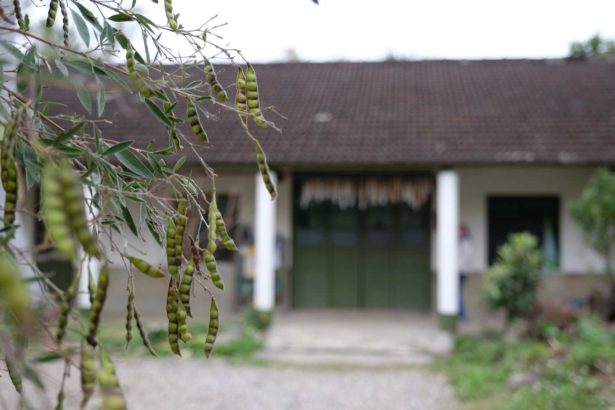
Leopard cats appear at Satoyama School: A shallow-mountain environmental evangelist leads children and farming friends in satoyama practice
Environmental evangelist in the shallow mountains | Leopard cats appear at Satoyama School, satoyama practice from children to farming friends
-
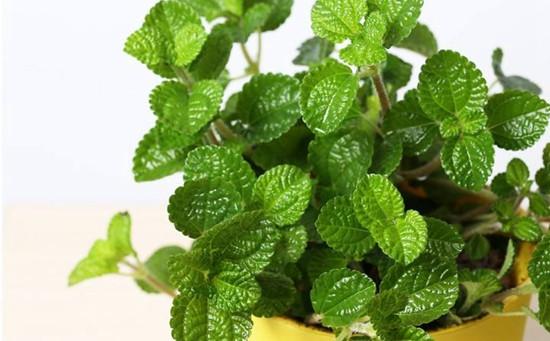
5 potted plants suitable for the bathroom, absorbing odors and purifying the environment
The bathroom is a relatively damp place, and the light is not very good, plus the smell is rather strong, so when choosing potted plants, you need to pick some plants that tolerate shade and like humid environments, while also being able to purify the air...
-
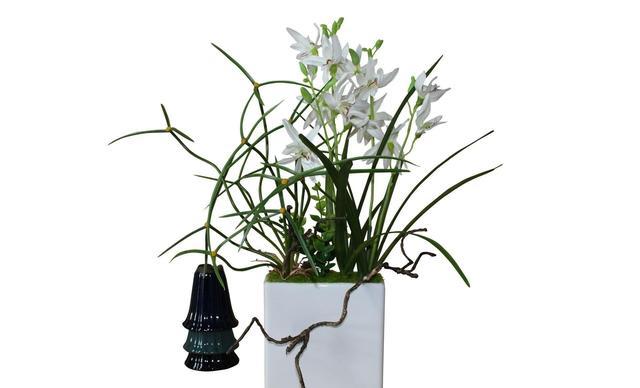
If orchids won't bloom, a change of environment can easily fill the pot with flowers
Orchids have an upright form, leaves that stay evergreen all year round, graceful bearing, rather delicate and elegant flowers, and they give off wafts of fresh fragrance. Growing them at home makes people feel relaxed and happy. But recently many gardening friends have often told me that their...
-

Detailed Explanation of the Growing Environment Requirements and Cultivation Techniques for West Lettuce
Environmental Requirements and Cultivation Techniques for West Lettuce West lettuce was introduced from the West, hence the name west lettuce; it belongs to the genus Lactuca in the family Asteraceae. Leaf lettuce is eaten as fresh tender leaves, while for export it is mainly grown for head formation. West lettuce has a taproot system with a shallow distribution and a weak ability to absorb water and nutrients...
-
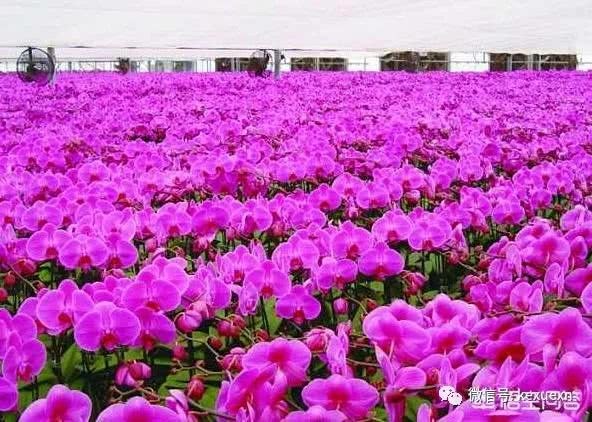
What kind of growing environment suits Phalaenopsis orchids? They need to experience low temperatures before they can bloom
Where is it suitable to grow Phalaenopsis orchids? This question really is hard to answer. Science Xingnong can only put it this way: anywhere that suits its growth is suitable! To grow Phalaenopsis orchids well, we still need to have a relatively clear understanding of all aspects of the orchid's physiological habits and so on...
-

Why does rice from the north and south taste slightly different? Variety and environment are key
We eat rice every day. Do you prefer rice from the north or rice from the south? I grew up in the north, so I prefer northern rice, which is chewier. In fact, there are many famous rices besides Northeast rice...
-

What kind of herbaceous plant is February orchid?
February orchid is both a vegetable and a flower, and every year in February it produces small blue-purple flowers. February orchid has extremely strong adaptability to the environment of northern China, and because it blooms early, it also carries the meaning of heralding spring.
-
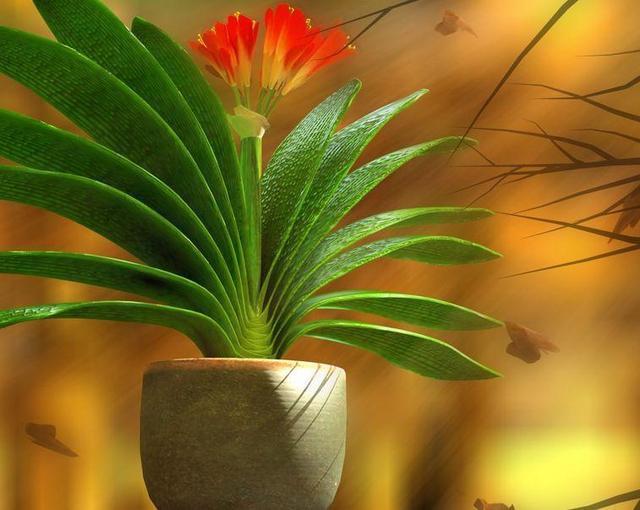
When growing these flowers in summer, pay attention: if the environment is too stuffy, they are likely to die.
Everyone knows that summer temperatures are high, and the stuffy heat makes people feel irritable, let alone plants. If you grow flowers in summer without good ventilation, it is basically like putting the plants into a steamer, and it can easily cause the plants to die outright...
-
Introduction to the Sedum dasyphyllum variety, a succulent in the Crassulaceae family
Sedum dasyphyllum is native to arid regions such as West Asia and North Africa, and is a succulent in the Crassulaceae family, genus Sedum. It likes warm, dry, and sunny environments, is not cold-tolerant, fears waterlogging, and should avoid direct sun exposure; it prefers semi-shaded environments. Under low light, the bright green fleshy leaves of Sedum dasyphyllum are especially vivid and beautiful!
-
Antimima belongs to the Aizoaceae family; let us introduce you to this succulent plant
Antimima is a succulent plant in the Aizoaceae family, native to southwestern South Africa, and it likes warm, dry and sunny environments. Antimima has rather beautiful leaf shapes and colors, and high ornamental value.
条件筛选