Growing Environment, Benefits and Planting Methods of the Climbing Vine Codonopsis lanceolata
Codonopsis lanceolata is a perennial twining vine, with a corolla that is blue-green or pale yellow and a conical capsule. So, where does the climbing vine Codonopsis lanceolata grow? What benefits and effects does it have? How is it planted?
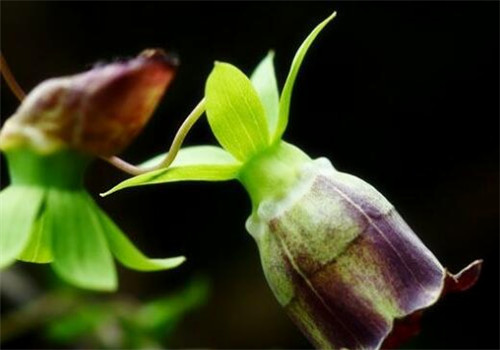
I. Where does the climbing vine Codonopsis lanceolata grow?
Codonopsis lanceolata prefers a cool climate; during the growing period, when it encounters high temperatures, the aboveground part is prone to wilting and infection by diseases. Codonopsis lanceolata seedlings prefer shade, while mature plants prefer ample sunlight. It is produced in the provinces and regions of Northeast China, North China, East China and Central South China. It is also distributed in the Far East region of the Soviet Union, Korea and Japan. It grows in shaded and damp areas by ditches under mountain shrub forests or in broad-leaved forests.
II. What benefits and effects does it have?
1. Codonopsis lanceolata treats gynecological diseases
The medicinal nature of Codonopsis lanceolata is very mild and non-toxic, and it has the functions of promoting fluid production, supplementing qi and promoting lactation. At the same time, it can also neutralize toxins and has an expectorant effect. Some women often have abnormal secretion, menstrual discomfort, abdominal pain and menstrual irregularity and other common symptoms, and for these it has a very good effect. We can prepare lean pork and Codonopsis lanceolata, stew them together into soup and drink it; the effect is very good.
2. Other effects
For some people with a weak constitution, it is very easy to become fatigued, and Codonopsis lanceolata is a good medicine. Method: take 60g of Codonopsis lanceolata root and 250g of lean pork, boil them in water and eat. Not only is the meat fresh and the soup delicious, but it is also the best method for treating fatigue. Codonopsis lanceolata is even a specialty of the Changbai Mountains, famous for being both medicinal and edible, and has the title of king of mountain vegetables. It can be used to stir-fry various dishes, and not only does it taste good, it also has very high nutritional value.
3. Industrial uses
Codonopsis lanceolata is a raw material for the production and processing of many foods; it can be squeezed into various juices, and can also be made into medicinal meals and health foods, and even made into pesticide for use.
III. How is Codonopsis lanceolata planted?
Codonopsis lanceolata is a plant with a taproot system and well-developed roots, so soil that is fertile, deep, loose in texture and well-drained should be selected. In ginseng-growing areas, land previously used for ginseng can be chosen, with shady slopes being best, with a small slope, deep soil layer, sufficient nutrients, high humus content, suitable light and moderate soil moisture content, which is conducive to emergence and root growth. Apply 3000kg of organic fertilizer or 50kg of special fertilizer per 667 sq m. Mix the fertilizer evenly while plowing and harrowing the land. It can be grown in beds or in ridges.
Seedlings are lifted starting in mid-October. Dig slowly from the lower edge of the bed with a pick, and place the dug seedlings in grades or tie them into small bundles. Transplant before the ground freezes; if conditions are not ready, plant the seedlings after the ground thaws the next day. Seedlings can be preserved by cellar storage. The transplant plot is also required to be made into beds, with the same specifications as the seedling bed. Open furrows on the bed surface, 15-20cm deep, place the seedlings obliquely at 7cm intervals with the buds pointing upward, then cover with soil, preferably exceeding the buds by 5cm. The spacing between furrows is 20-30cm, and about 25kg of seedlings are used per 667 sq m.