-
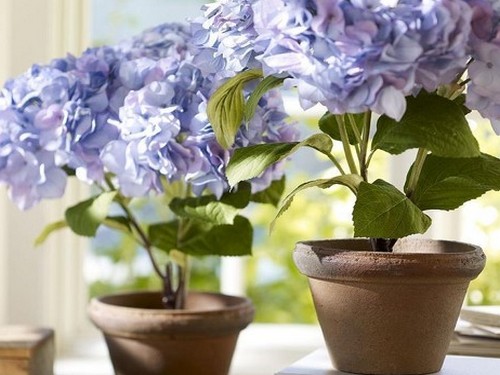
How to care for potted hydrangea (also known as eight immortal flower)
Hydrangea macrophylla, also known as hydrangea or ziyang flower, is a plant of the genus Hydrangea in the family Saxifragaceae. The flowers of hydrangea are pure white and full, large and beautiful, and their color can be red or blue, which is pleasing to the eye and refreshing to the mind. It is a common potted ornamental flowering shrub
-
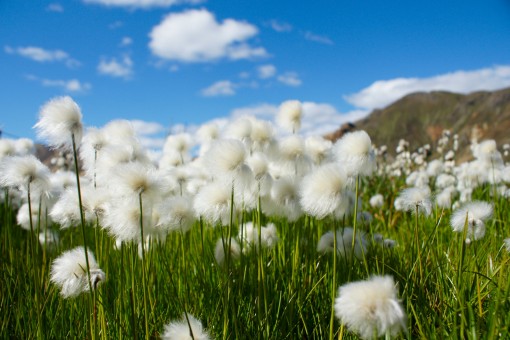
When to plant authentic heat-clearing dandelion seeds, plus yield per square meter and plant height
Dandelion, also known as Hua Hualang, Pu Gong Cao, edible dandelion, bed-wetting grass, Western dandelion, and mother-in-law's herb, is a common heat-clearing plant found on hillsides, grasslands, wild mountains, and wasteland. Because it is increasingly recognized by more people, the demand for it in cooking and medicine is very high.
-
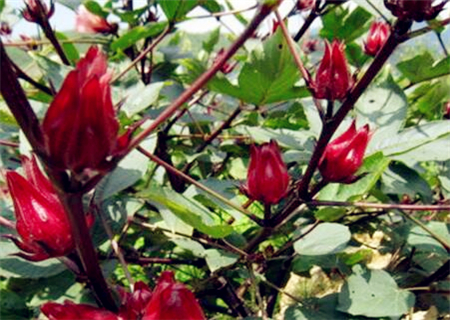
How much is roselle (Roselle hibiscus) per jin? Weight-loss benefits and cultivation techniques
Roselle, also known as roselle hibiscus, Roselle, and mountain eggplant, among other names, is cultivated in Fujian, Taiwan, China, Guangdong, Hainan, Guangxi, and southern Yunnan in our country. So how much does roselle cost per jin? Does it have weight-loss benefits? How is it cultivated? Here is a summary for you: According to the latest prices on Alibaba
-
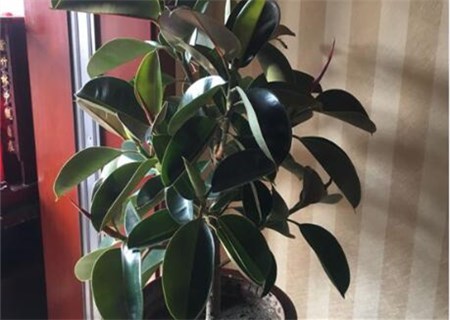
How to Grow a Rubber Plant (Ficus elastica, Moraceae) Fast: Height Control Methods and Benefits Explained
The rubber plant has high ornamental value and is a well-known potted foliage plant with a majestic, spectacular form that can evoke a tropical atmosphere. It is compact in size, and its leaves are so fresh and green they seem about to drip, making it very endearing. So do you know how to grow a rubber plant fast? What should you do if it grows too tall? What benefits does it have? How to grow a rubber plant fast
-
Eight key techniques for improving the profitability of crisp pear cultivation
The crisp pear originated in Dangshan, Anhui, and is a relatively ancient cultivated variety. Its fruit has a smooth, glossy surface and is large and plump, and it is also rich in nutrients, free from...
-
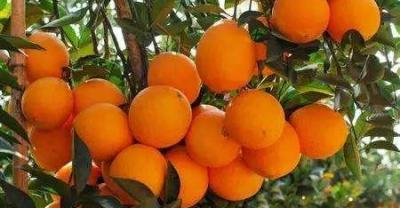
Gourd cultivation methods: eight steps that are simple and easy to learn
1. Because gourd seeds have a thick seed coat, it is very difficult for them to absorb water, so farmers soak the seeds for 24 hours before planting. 2. After soaking, gourd seeds can be pre-sprouted. For three pre-sprouting...
-
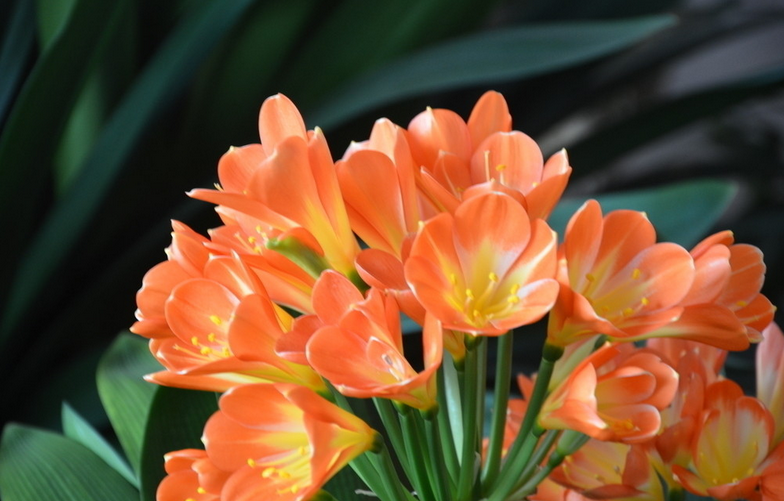
What to do when Clivia leaves turn yellow? Eight methods to help you solve it
Clivia leaves turning yellow often happens in summer, and yellowing Clivia leaves greatly affect its ornamental value. I still remember when I first started growing Clivia, seeing the thick fleshy leaves begin to show yellow, first I panicked, then I grew anxious, that feeling was really awful
-

Eight key technical measures for increasing soybean yield
First, applying flower-and-pod fertilizer. The flowering and pod-setting stage is when soybean grows and develops most vigorously, and it is the period of greatest fertilizer demand in the soybean's entire life. Applying flower-and-pod fertilizer can reduce flower and pod drop, promote full grains, and improve quality. Flower-and-pod fertilizer should be applied at the early flowering stage, preferably as a combined application of nitrogen and phosphorus fertilizer, with 3-5 kg of urea and 7.5-10 kg of phosphate fertilizer per mu, applied in holes opened 5 cm to the side of the soybean roots, and after application, soil should be hilled up to cover the fertilizer. Second, spraying foliar fertilizer. In addition to the three major elements nitrogen, phosphorus and potassium, boron, zinc and molybdenum are indispensable trace elements for soybean. Therefore, from the flowering to the seed-filling stage of soybean
-
Eight Methods for Preventing Cotton Boll Rot Explained
1. Digging trenches to drain waterlogged fields Cotton is most afraid of autumn waterlogging; the higher the humidity in the cotton field, the more severe the boll rot. Continuous rainy weather is even more likely to cause boll rot. Therefore, after heavy rain, the accumulated water in the cotton field should be drained promptly, the soil should be allowed to dry to lower humidity, the field microclimate should be improved, boll opening should be accelerated, the reproduction and spread of pathogens should be inhibited, and boll rot should be reduced. 2. Reasonable pruning For cotton fields with high density and vigorous growth, after the full flowering stage, empty fruiting branches should be cut off promptly, vigorous buds should be removed, and the side tips of the middle and lower parts and the old leaves on the main stem should be removed in stages and batches, to enhance ventilation and light penetration, lower temperature, and reduce rot
-
What level does a cotton single boll weight of 8 grams represent?
1. Large bolls: The average single boll weight of this variety is 8 grams, with the largest single boll weighing 9.2 grams. Lint percentage is 41.5%, and seed index is 11.1 grams. 2. Good emergence: The seeding rate for this variety is 400-500 grams per mu, with strong germination vigor, good emergence, and uniform, vigorous seedlings. 3. Strong growth: The growth period of this variety is about 128 days, with medium-sized leaves and good ventilation and light penetration. Plant height is 105 cm, the cotton plants are clean, and the fruiting branches have strong outward extension ability. Cotton bolls are evenly distributed on the lower, middle, and upper parts of the plant and on the inner and outer periphery, and boll weight is consistent. 4. Good resistance: This variety is highly resistant to cotton
条件筛选