How to care for potted hydrangea (also known as eight immortal flower)
Hydrangea macrophylla, also known as hydrangea or ziyang flower, is a plant of the genus Hydrangea in the family Saxifragaceae. The flowers of hydrangea are pure white and full, large and beautiful, and their color can be red or blue, which is pleasing to the eye and refreshing to the mind. It is a common potted ornamental flowering shrub. Hydrangea was cultivated relatively early in China, and hydrangeas were planted in the Jiangnan gardens built during the Ming and Qing dynasties. Parks built in the early 20th century also could not do without hydrangea plantings. Modern parks and scenic areas plant them in large patches to form landscapes.
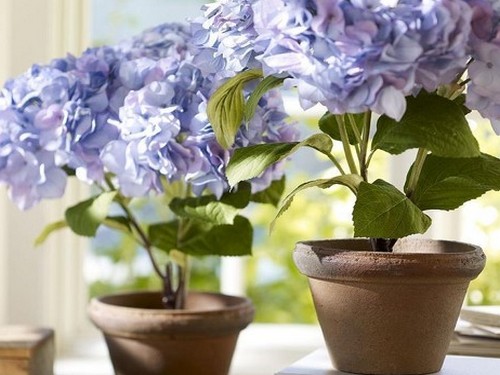
It is advisable to repot once every year in early spring, changing to fresh growing medium (half leaf mold and half garden soil, mixed with a small amount of sandy soil). When repotting, remove part of the old soil and rotten roots, and prune appropriately. Hydrangea likes fertilizer. During the growth and development period, generally apply a diluted fully fermented liquid fertilizer once every half month. To keep the potting soil consistently acidic, add 100 grams of ferrous sulfate to every 50 kilograms of liquid fertilizer and use it for watering. During the bud stage, apply 1-2 additional applications of potassium dihydrogen phosphate solution, and the flowers will be larger and more vividly colored.
Hydrangea leaves are relatively large and thick, so the plant needs a lot of water. Apart from winter, when the temperature is low and water should be strictly controlled, watering in spring, summer, and autumn should be sufficient to keep the potting soil consistently moist, especially in the hot summer, when even more water is needed. From May to the end of August, it is also necessary to spray water on the leaf surface once a day or every other day. Because hydrangea has fleshy roots, too much water can easily cause root rot, so watering should not be excessive. After rain, promptly pour out any accumulated water in the pot. After September, as the weather gradually turns cooler, gradually reduce the amount of watering so that the branches grow strong and sturdy, which helps winter dormancy.
Before Frost's Descent, move it indoors and keep the room temperature at around 5°C to promote dormancy. Before winter begins, remove the leaves to prevent leaf rot. Starting in mid-December, gradually move it to a sunny place, raise the temperature to 15°C-20°C, and promote the growth of branches and leaves; move it outdoors after Grain Rain the following year. Because the flower heads of hydrangea are too large, support stakes should be set up in time for tying, which can both keep the flowering plant upright and make the plant appear fuller.
Specific cultivation methods:
1. Soil
For planting hydrangea, a loose, fertile, and well-drained sandy loam is best. However, flower color is affected by soil acidity and alkalinity: in acidic soil the flowers are blue, and in alkaline soil the flowers are red.
2. Temperature
The suitable growth temperature for hydrangea is 18°C-28°C, and the winter temperature should not be lower than 5°C. Flower bud differentiation requires 6-8 weeks at 5°C-7°C; a temperature of 20°C can promote flowering, and after the flowers appear, maintaining 16°C can extend the viewing period. Note that high temperatures make the flowers fade quickly.
3. Light
Hydrangea is a short-day plant. During normal cultivation, avoid direct scorching sunlight, and 60%-70% shade is ideal. In midsummer, when the light is too strong, appropriate shading can extend the viewing period.
4. Watering
The potting soil for planting hydrangea should be kept moist, but watering should not be excessive. Especially in the rainy season, pay attention to drainage to prevent waterlogging from causing root rot. In winter, indoor potted plants are better kept slightly dry. If too humid, the leaves rot easily.
5. Fertilizing
The flowering period of hydrangea is June-July. During the flowering period, fertilizer and water should be sufficient, with fertilizer applied once every half month.
6. Pruning
After hydrangea blooms, pay attention to removing the flower stems to encourage new branches. Appropriate pruning can keep the plant shape graceful.
7. Pests and diseases
Hydrangea mainly suffers from wilt disease, powdery mildew, and leaf spot. Spray 600 times diluted 65% zineb wettable powder for control. Pests include aphids and mirid bugs, which can be killed by spraying 1500 times diluted 40% omethoate emulsifiable concentrate.