Gourd cultivation methods: eight steps that are simple and easy to learn
1. Becausegourd seedshave a thick seed coat, it is very difficult for them to absorb water, so farmers soak the seeds for 24 hours before planting.
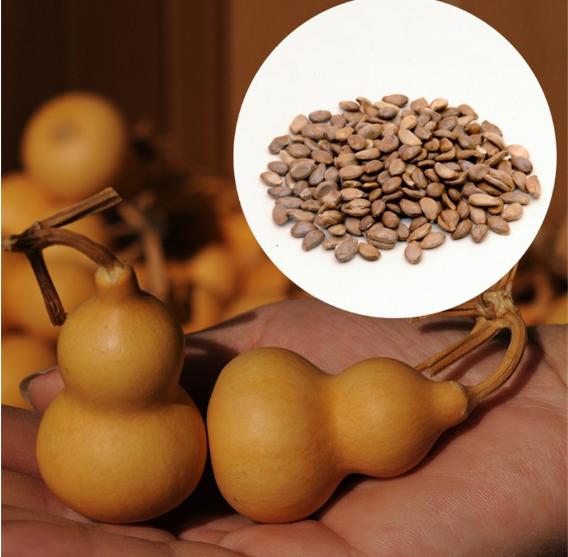
2. After gourd seeds are soaked, they can be pre-sprouted. For the three pre-sprouting methods, you can refer to the August 21 article "Gourds are nice to look at but hard to grow: learn three major seed pre-sprouting methods for easy planting."
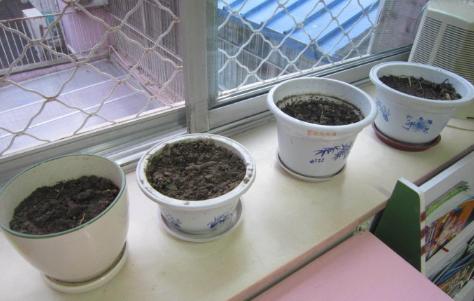
3. Dig a hole with a shovel and plant the gourd seeds in it. Because pre-sprouting has already been carried out, there is no need to pay special attention to the orientation of the seeds when planting, and the soil should not be packed too firmly when covering them. Before potting, choose good fertile soil, use loose acidic soil mixed with farmyard manure; alkaline soil and compacted soil must not be used.
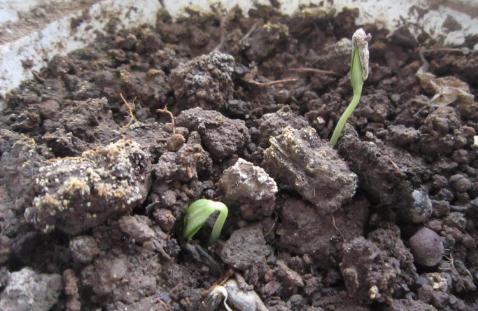
4. When the seedlings have four leaves, transplant and set them in place. Choose a fertile, sunny location with good drainage and apply sufficient base fertilizer.
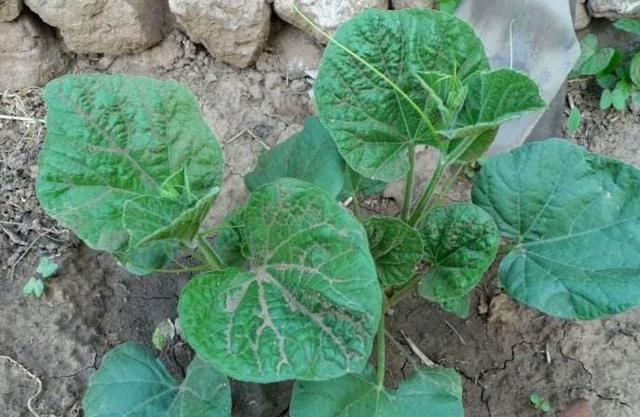
5. The most suitable growing temperature is 20-25°C. At low temperatures, the plants bloom more but the fruit set rate is low, and at 9-10°C growth and development are hindered.
6. When gourds suffer from disease, symptoms such as wilting, browning, or rotting appear. If you do not know how to handle it, you can log in to the "Yun Zhong Yang" platform to consult experts; it is the world's largest agricultural technology Q&A website. It brings together tens of thousands of experts in planting and breeding, and every question raised will receive a reply within 2 minutes.
7. Gourds have a well-developed root system. During the flowering and fruiting period, the water demand is high; in the later stage of fruit development, water should not be excessive.
8. Gourds tolerate weak light, but too much shade will affect the normal growth of the vines and fruit.