-
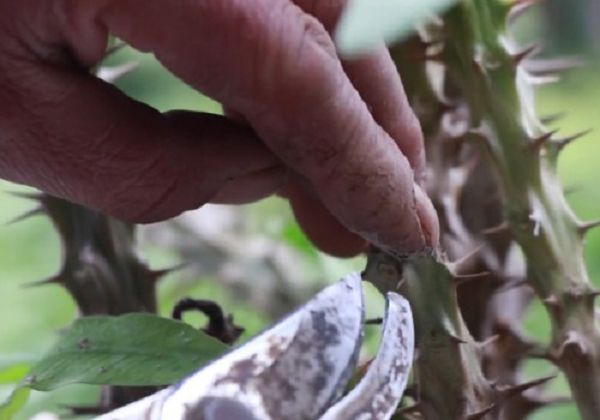
Solutions for Crown of Thorns with Rotten Leaves and Dry Edges in Winter
What to Do When Crown of Thorns Has Rotten Leaves and Dry Edges in Winter?
-
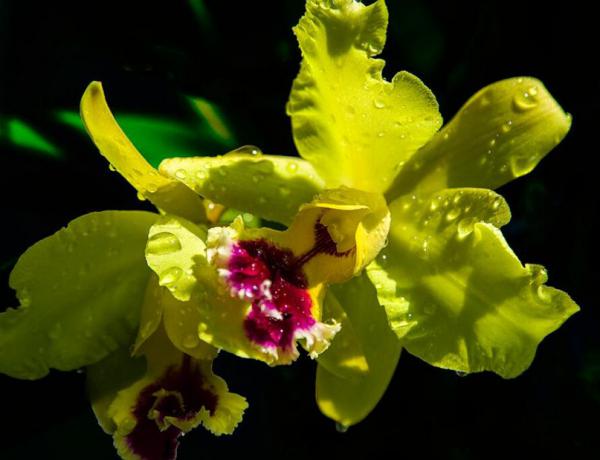
How to Grow Cattleya Orchids? A Detailed Explanation of Key Cultivation and Management Knowledge
Key Knowledge Points on Cattleya Orchid Cultivation and Management
-
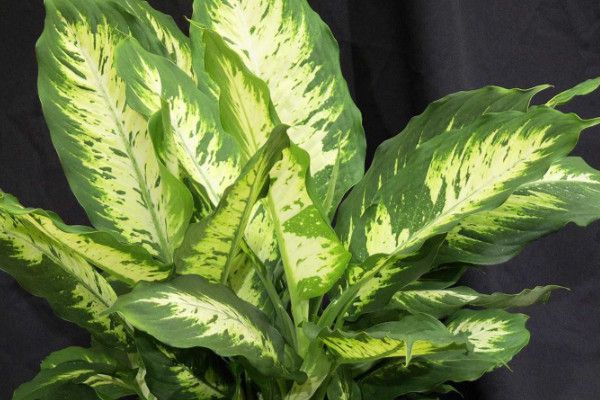
What are the cultivation methods for silver-edged lily of the valley?
Cultivation methods for silver-edged lily of the valley
-
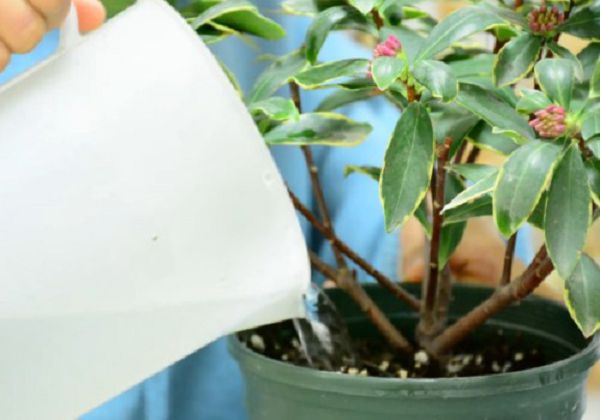
How do you grow golden-edged Daphne odora to extend its flowering period?
How to extend the flowering period of golden-edged Daphne odora
-
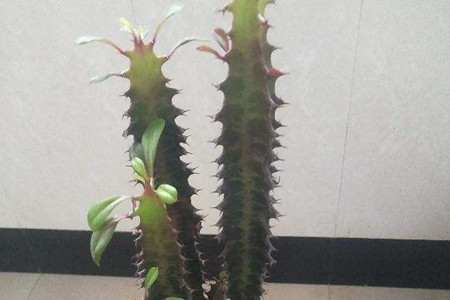
What is the difference between dragon bone and three-edged arrow, are they the same plant
How to distinguish dragon bone from three-edged arrow, are they the same
-
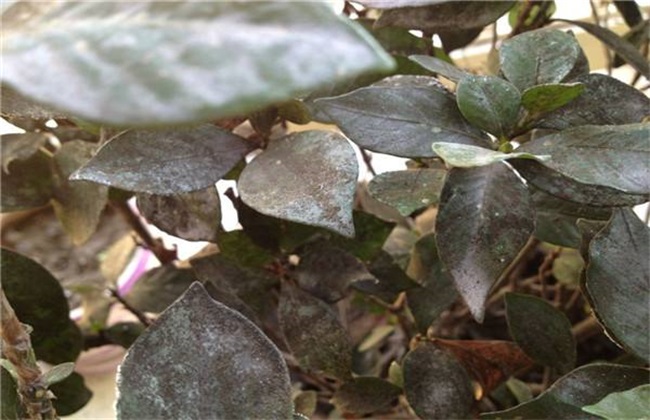
What to Do When Gardenia Leaves Turn Black and Wither at the Edges
Gardenia Leaves Turning Black and Withering at the Edges
-

Jasmine Harvesting Knowledge: A Detailed Guide to Harvest Time and Methods
The flowering period of jasmine varies depending on the climate conditions of the region. Generally, only when the monthly average temperature is above 20°C and the daily temperature is above 30°C will a vigorous harvest period form. During the flowering season of the year, jasmine forms 3-4 waves of "flower flushes" in a wave-like pattern. Each "flower flush" has about 7 peak production days, called "big water." The periods before or after the "big water" are called "small water." During a flower flush, the daily output difference between big water and small water is 5-10 times, and the interval between "flower flushes" is about one month.
-
How to treat scale insects on boxwood hedges? Try these clever tips
In recent years, scale insects have become fairly common in landscaping, with boxwood hedges suffering the most severe damage. Through years of exploration and experimentation, the author has mastered the following technical points: (1) Before spring bud break, spray 3 to 5 degrees Baume lime sulfur mixture or 3 to 5% diesel emulsion to eliminate overwintering nymphs. (2) When female scale insects are carrying eggs and their body weight increases sharply, before egg laying, use a high-pressure water hose to wash the insects off the branches, then supplement with chemical protection. (3) Before chemical control during the hatching period, give the hedge a heavy pruning, which helps
-
Encyclopedia Knowledge Introduction to Himalayan Yew Seedlings
Latin name: Taxus wallichiana Zucc. Chinese name: Himalayan yew Latin family name: Taxaceae Chinese family name: Yew family Latin genus name: Enpcontent Chinese genus name: Yew genus National Class I key protected wild plant (approved by the State Council on August 4, 1999). Taxus wallichiana, also known as the Himalayan yew, is one of China's 4 species and 1 variety of yew, and is a tree species endemic to Tibet. The other 3 species and 1 variety are: Yunnan yew
-
What are the control methods for scale insects on privet hedges?
In recent years, with the widespread use of golden privet (Ligustrum sinense 'Variegatum') and small-leaf privet (Ligustrum quihoui) in urban landscaping, pests and diseases on privet have become a major problem in garden maintenance and management. The scale insect occurring on Ligustrum landscaping plants is mainly the white wax scale (Ericerus pela). It has been reported that comstock mealybug (Pseudococcus comstocki) has occurred on privet hedges in Hebei. The identification characteristics and control measures of the white wax scale are described below: Distribution and damage. The white wax scale Ericerus pela (Chavannes) belongs to the order Homoptera, family Coccidae. It is widely distributed in China. It damages
条件筛选