What are the cultivation methods for silver-edged lily of the valley?
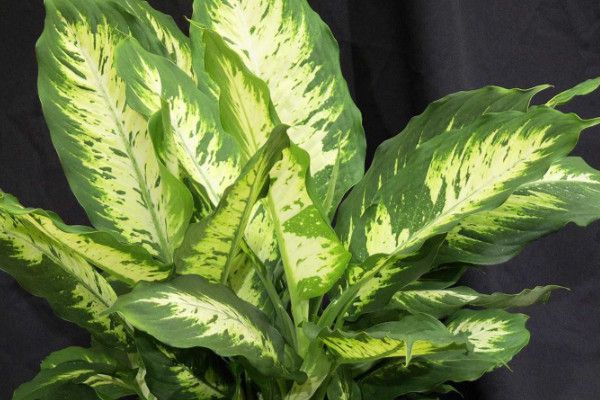
To cultivate silver-edged lily of the valley, use nutrient-rich humus sandy loam as the growing medium, keep it in a warm environment of 15~18°C, and let it receive bright, warm, indirect scattered light for full photosynthesis. During the peak growing season, apply fertilizer once every 10~15 days, water thoroughly and keep moisture moderate, and at the same time ensure good ventilation.
Methods for cultivating silver-edged lily of the valley
1. Growing soil
For the growing soil of silver-edged lily of the valley, it is recommended to use sandy loam rich in humus nutrients as the medium. The soil needs good breathability, drainage, and looseness, and the soil should be adjusted to a slightly acidic state; clay soil and alkaline soil must not be used. Before potting, the soil also needs to be sterilized once at high temperature.
2. Light and temperature conditions
Silver-edged lily of the valley should be kept in a semi-shaded environment at 15~18°C and exposed to moderate-intensity scattered light; only in this way can the leaves of silver-edged lily of the valley maintain high ornamental value. Light that is too intense and not properly shaded will scorch the leaves, and over time the patterns on the leaves of silver-edged lily of the valley will disappear.
3. Watering and fertilizing
During the peak growing season, apply fertilizer nutrients to silver-edged lily of the valley once every 10~15 days to supplement the energy needed for growth. Along with fertilizing comes watering; especially in summer, replenish water in time to keep the growing environment moist. In addition to watering and fertilizing, ventilation work should also be done well.